A cautionary tale. A how-not-to. There are multiple ways to say it, but some of the best lessons we learn are from a bad example. Dale explores one from the Old Testament today…
Dale Pollard
Saul had a bright future that by all accounts was full of opportunity. When we first read of him he’s portrayed as a likable underdog who doesn’t seem to see his own potential, proven in his own words (1 Sam. 9.17-21). He was a nobody from a small tribe, but tall and kingly in appearance and his success would depend on who he listened to— not unlike us today.
God anoints him as king and like every anointed king that we read of in the Old Testament, he influenced the nation’s relationship with God. In hindsight, we’re able to see God’s wisdom. God wanted judges. A judge spoke on behalf of God while carrying out His will for a time and then left. A king would always be more susceptible to various forms of corruption that come with the vast amount of power given to him. No matter how the rulers would live their lives, good or bad, we can learn much.
Sadly, Saul is one of those kings who taught us how not to live. Here’s a list of the many spiritual dangers we should avoid— brought to you by Saul.
Saul’s Seven Deadly Sins
I SAMUEL
The sin of lacking patience – 13.8
The sin of excuse-making – 13.11, 12; 15:15, 20, 24
The sin of half-hearted service – 15.1-26
The sin of glorifying self – 15.12
The sin of fearing men rather than God – 15.15, 24
The sin of desiring forgiveness from man rather than God – 15.25
The sin of jealousy – 18.6-9
There are many other mistakes and shortcomings that accumulated in Saul’s physical and spiritual demise, but we can be strengthened by them (Rom. 15.4).
Scripture shapes our understanding of the Father. Yet, we often fall into the habit of crafting our own version of God in our minds. Someone once said, “You can safely assume that you’ve created God in your own image when it turns out that God hates all the same people as you do.” We tend to justify our shortcomings or find excuses to dismiss our poor choices. This inclination is all too natural.
Take our son Rich, for example. Whenever he gets caught doing something he shouldn’t, he blames the dog. One time, I walked into the kitchen to find him covered in Nutella, his hand buried deep in the jar. His first instinct? To convince me that the dog was responsible, not him. This behavior is a common human tendency—to rationalize our actions.
To be human is to have enemies. Chances are, you know someone you struggle to love, or you know someone who doesn’t love you. Jesus assumes we will encounter enemies when He instructs us to “Love your enemies and pray for those who persecute you” (Matt. 5:44). The real question isn’t whether we will have enemies; it’s whether we will love and forgive, even at a great cost.
In 1 Samuel 24, we meet two very different men: Saul, the jealous and paranoid king, and David, the humble and courageous king. The lesson here is encapsulated in what David says in verse 12: “Let the Lord judge.” This highlights the power of a clean conscience.
As we explore this chapter, pay attention to David’s demeanor. While Saul hunts him like a dog, David is forced to hide in a cave, running for his life. When given a chance that most would seize, he chooses restraint. Why? This scripture offers profound insight into how God’s people should respond to opposition.
First, we learn from David to not take revenge (verses 4-7). Of all the places Saul could have gone to relieve himself, he chose the very spot where David and his men were hiding. Had it been anyone else, Saul would have met his end there. David’s men urged him in verse 4, “This is the day the Lord told you about when He said, ‘I will give your enemy into your hand, and you can do whatever you want to him.’” While David had every right to harm Saul—after all, he was the rightful king of Israel—he chose not to.
This sort of self-control seems rare today. When given the chance to retaliate against our enemies, we often leap at it, especially when we feel justified. The principle of “an eye for an eye” is far easier than forgiveness and self-restraint. David was tempted; he crept closer and even cut off a corner of Saul’s robe. Yet, as we see in verse 5, he felt remorse. A clean conscience mattered to David—he couldn’t harm the Lord’s anointed.
Despite Saul’s many attempts to kill him, David recognizes that it’s not about personal grievances. We often fixate on the pain others cause us and forget an essential truth: they, too, are chosen by God, created in His image. If they are Christians, they are redeemed by Christ; if not, they desperately need the Gospel. If we could look past our hurt, we would see their need for love and forgiveness.
Like David, we must be cautious of those who urge us to act on our natural instincts for revenge. Even well-intentioned friends may encourage us to justify bad behavior. If anyone tries to twist God’s command to love and forgive, be careful. God will never lead you to take revenge.
Second, we learn from David to make the first move (verses 8-15). David runs after Saul to clarify and resolve their conflict, risking much in the process. Communication is key in reconciliation. We often wait for the other person to reach out, especially if we believe they are in the wrong. We might think, “I won’t forgive until they ask for it.” However, being a Christian means embracing the unnatural. God equips us with the strength and courage to approach our enemies first.
David confronts Saul’s worries in verse 9, asking, “Why do you listen to the words of men who say, ‘Behold, David seeks your harm?’” Conflicts often arise from misunderstandings or misinformation. David clarifies his intentions in verse 13, stating, “But my hand shall not be against you.” The longer a conflict festers, the more distorted our views become. We must strive to clarify our motives as we seek reconciliation.
Who are you avoiding that you should pursue? Are you waiting for them to make the first move? Instead, take the initiative to clarify the situation and gently confront any misconceptions.
Finally, we learn from David to commit to doing good (verses 16-22). David and Saul reach an agreement, though Saul’s promise doesn’t last long; he soon returns to hunt David with 3,000 men. Yet, David remains committed to doing good for Saul and his household for as long as he is king. This commitment is evident in how David responds to Saul’s death (2 Sam. 1:17–27) and in the story of Mephibosheth (2 Sam. 9).
True reconciliation is marked by ongoing love and kindness. Conflict gives us an opportunity to grow closer, deepen our understanding of ourselves and others, and glorify God. If a genuine commitment to do good isn’t reached, then reconciliation hasn’t truly occurred. C.S. Lewis once noted, “Everyone thinks forgiveness is a lovely idea until he has something to forgive.”
Many of us cherish the idea of reconciliation, but when it comes time to act, we find it challenging.
Despite living in a cave and constantly on the run, David slept peacefully, knowing it wasn’t about him. His mindset was clear: “Let the Lord be my Judge.” God sees your behavior and stands by you. Let Him be your Judge and maintain a clean conscience.
David exemplifies this mindset in action. He resisted harming Saul, took the initiative, and sought the good of his enemy. We have much to learn from him.
According to Egyptian and Greek myth, the sun was put in a chariot and everyday the god Helios would drive that chariot all across the sky. Phaethon was the son of the god Helios who secretly took the sun chariot out one day in an attempt to drive it all by himself. However, since he was young and inexperienced, he wrecked it. He wrecked the sun. In one version of the story it’s said that he drove the chariot too close to the earth, scorching it, and then too far from it, freezing it. That’s a bad day…or night? It’s not clear— Phaethon wrecked the sun.
Even though the story and the gods in them are fictional, the moral of the story rings true in many ways for us today. When we try to take control from the true God of heaven, we often end up wrecking our own lives. God wants us to willingly let Him lead but some will still attempt to take the reins away. The Bible is full of accounts, parables, and poems that try to get into our (sometimes thick) heads that we have no businesses in the driver seat.
Saul would attempt to “drive the sun chariot” when Samuel told him to wait for him to arrive so that he could lead the Israelites in sacrifice before a battle with the Philistines. However, Saul became afraid that Samuel was taking too long and offered the sacrifice himself. After his arrival, Samuel told Saul that he had acted foolishly and disobeyed God’s command. Samuel said that if Saul had kept God’s wishes, God would have established his kingdom over Israel forever. The outcome? The Lord rejected him as king because of his disobedience. Saul wrecked his future! (1 Samuel 13).
God has developed a perfect and holy hierarchy, and He’s at the top. He’s always been and He always will be at the top— even if we’re blind to that reality. He doesn’t want to push anybody down though, in fact He’s always taking His humble servants and raising them up! We serve an awesome God.
“…Clothe yourselves, all of you, with humility toward one another, for “God opposes the proud but gives grace to the humble.” – I Peter 5.5
“The Lord resists the proud; but he gives grace to the humble” (Proverbs 3.34 LXX).
The rise and fall of King Saul is worthy of any Shakespearean drama. When God chose Saul as King of Israel, he attempted to hide from the people (1 Samuel 10.22). For his part, Saul looked the part, standing head and shoulders taller than everyone else (v.23). The people believed he was the right person to rule over them and shouted, “Long live the king” (v.24). However, Bible readers are already familiar with the entire story. The longer Saul reigns, the prouder he becomes.
In 1 Samuel 15.1-3, Saul failed to carry out God’s vengeance on the Amalekites. He made a weak excuse for his failure (vv. 15, 20–21) and was proud of his actions, building a monument to remember them (v. 12). When Samuel arrived, Saul was unaware of God’s anger. Saul greeted Samuel warmly, boasting of his obedience in carrying out God’s commands (v. 13). Samuel not only rejected Saul’s excuse but also asked him to recall a time when he had been humble (v. 17). God chose Saul as king while he was still humble.
Saul’s failure to “hack Agag to pieces” (as described in 1 Samuel 15:33 ESV) was just one of many examples of his arrogance. Further reading of 1 Samuel reveals more instances where Saul’s pride caused him to make poor decisions. By examining these examples, we can learn an important lesson about the importance of humility.
In 1 Samuel 13.8–14, Saul made an unauthorized sacrifice, a duty nearly exclusively assigned to priests but also permitted for some prophets, such as Samuel and Elijah. Saul took this action because Samuel took longer than expected to arrive in Gilgal, and he was concerned about his men scattering. He wanted to demonstrate his dominance or power. However, Samuel chastised Saul for this act, claiming that his kingdom would not last because of it. This incident could be interpreted as an early indication of Saul’s pride, as he overstepped his authority and assumed a priestly role.
In 1 Samuel 14:24–46, Saul makes a hasty vow prohibiting his soldiers from eating. Even when it puts the battle at risk and endangers the life of his son Jonathan, who unknowingly ate some honey, Saul refuses to admit his mistake. Jonathan criticizes the vow, arguing that the army would have been better off eating from their enemies’ spoils. However, Saul puts his command above his troops’ safety and the situation’s practical needs. The people must intervene to save Jonathan from execution, and this episode demonstrates Saul’s flawed leadership and decision-making. He prioritizes his pride and desire for authority over the welfare of his people, resulting in decisions that lack wisdom and compassion.
We see Saul’s angry reaction to a song about David’s victory over Goliath in 1 Samuel 18:6–9. The song says, “Saul has slain his thousands, and David his ten thousands.” As a result, Saul becomes very angry and envious. He says, “They ascribed ten thousand to David, but thousands to me. What else can he have besides the kingdom?” Due to his jealousy, Saul keeps a close eye on David and makes several attempts on his life. He pursues him relentlessly, as he cannot bear the thought of someone else receiving more praise and admiration than him.
In 1 Samuel 20.30–34, when Saul confronted Jonathan, his jealousy, rage, and fear of losing his kingship to David were evident. However, his pride also played a significant role in his actions. Saul’s reaction to Jonathan’s defense of David revealed the extent of his pride, paranoia, and violent desire to rule. He insulted Jonathan and even tried to kill him with a spear for supporting David, whom he saw as a threat to his throne. Saul’s pride and ego were so intertwined with his kingship that any challenge to his rule or authority provoked a drastic and irrational response. To Saul, Jonathan’s loyalty to David was a direct challenge to his kingship.
Saul’s behavior reveals his unwillingness to accept Samuel’s prophecy that David will replace him as king and his kingdom will end. His pride prevents him from considering the situation from a divine or practical perspective, causing him to focus only on his desires and fears. Saul’s pride is more than just arrogance; it is a harmful combination of fear, authority, and a refusal to acknowledge his mistakes or comprehend that his actions may cost him God’s favor and reign. Therefore, Saul’s clash with Jonathan illustrates how his pride and desire to retain power at any cost have damaged his character and leadership abilities.
In the book of 1 Samuel chapter 28, we read about Saul’s visit to the witch of Endor. Saul found himself in a desperate situation as he confronted the Philistine army. Despite his efforts, God did not respond to Saul’s prayers through dreams, prophets, or the Urim and Thummim. As a result, Saul turned to an Endor medium to summon the spirit of Samuel, who had died. This act of seeking the aid of a medium contradicted God’s commands, as stated in Deuteronomy 18.10–12. This move demonstrates Saul’s departure from reliance on God, possibly motivated by a prideful belief in his ability to control his destiny through any means available, even if forbidden.
Saul’s tragedy is a powerful warning about the corrupting influence of pride. Initially, he reigned with humility and submission to God, but his behavior degenerated into arrogance, defiance, and self-destructive actions. Saul’s elevation to kingship fed his ego, leading to impulsive decisions that separated him from God’s favor and ultimately caused him to lose his kingdom. His story highlights the significance of remaining humble, wise, and reliant on God’s guidance, even when in positions of power and authority. Pride can lead to ruin, but cultivating a humble heart enables us to make decisions that honor God and benefit those around us. Saul’s life reminds us that uncontrolled pride precedes the fall.
God had established the Judges to rule Israel rather than a king which was typical for other nations during that period. God grants their request to have a king even though this kind of leadership was bound to fail. Despite the fact that God told them how they ought to govern themselves, the people caved to peer pressure from surrounding nations. God handed those free moral agents of Israel a shovel and they began to dig.
With that context in mind, here’s a portion of Samuel’s final words to a people who’ve just made a poor decision to reject God’s guidance.
“Then Samuel called on the Lord, and that same day the Lord sent thunder and rain. So all the people stood in awe of the Lord and of Samuel.
19 The people all said to Samuel, “Pray to the Lord your God for your servants so that we will not die, for we have added to all our other sins the evil of asking for a king.”
20 “Do not be afraid,” Samuel replied. “You have done all this evil; yet do not turn away from the Lord, but serve the Lord with all your heart. 21 Do not turn away after useless idols. They can do you no good, nor can they rescue you, because they are useless. 22 For the sake of his great name the Lord will not reject his people, because the Lord was pleased to make you his own. 23 As for me, far be it from me that I should sin against the Lord by failing to pray for you. And I will teach you the way that is good and right. 24 But be sure to fear the Lord and serve him faithfully with all your heart; consider what great things he has done for you. 25 Yet if you persist in doing evil, both you and your king will perish.” I Samuel 12.18-25
TOP FIVE TAKEAWAYS
There’s a needed message for the church today. We should never let our previous sins hold us back from pressing forward. Samuel tells the children of Israel not to let the evil in their recent past keep them down— but he doesn’t pretend as if they hadn’t sinned against God.
There’s hope. Samuel tells the people that God is quick to forgive. He still is!
There’s a reminder to be selfless in prayer. It’s interesting that Samuel says that his failure to pray for God’s people would be a sinful thing for him to do.
There’s a glimpse of God’s power. Samuel tells the people to fear the Lord AND remember what He’s done for them. God could have wiped them out. He clearly had the power as He demonstrated a portion of it over nature in the beginning of this section.
There’s a warning— motivated by love. It was true for the children of Israel and it’s true for us today. If we persist in doing evil, we will perish.
In 1215, the English nobility threatened to use force if King John did not sign the Magna Carta, which limited the monarch’s authority. We herald this document as a crucial step towards constitutional democracy. It laid the foundation for protecting individual rights and the rule of law. Before the Magna Carta, the monarch had unchecked power and could make decisions without limitations or accountability. It was the era of the “divine right of kings.” The Magna Carta challenged this concept and established that even the monarch was subject to the law.
In 1 Samuel 8, the Israelites asked Samuel to appoint a king to rule over them, despite God’s warning that a king would take away their freedoms and rights. Since they expressed a desire for a king, Samuel sought guidance from God on how to proceed. God told Samuel they could have a king but that when they cried out for relief, He would not answer them (1 Samuel 8.18). Even so, the Israelites said, “No, but there shall be a king over us, so that we also may be like all the nations, and our king may judge us and go out before us and fight our battles” (1 Samuel 18.19–20 NASB).
After the Israelites established a monarchy, they experienced a gradual erosion of their freedoms and rights. Kings had the power to impose taxes, conscript soldiers, and make decisions without consulting the people. This centralized authority often led to abuses of power and a lack of accountability. Additionally, the Israelites’ dependence on a human king shifted their focus away from God and placed greater trust in human leadership, which ultimately had negative consequences for their spiritual well-being.
Consider what the prophet Jeremiah said of King Jehoiakim:
And the Lord says, “What sorrow awaits Jehoiakim, who builds his palace with forced labor. He builds injustice into its walls, for he makes his neighbors work for nothing. He does not pay them for their labor. He says, ‘I will build a magnificent palace with huge rooms and many windows. I will panel it throughout with fragrant cedar and paint it a lovely red.’ But a beautiful cedar palace does not make a great king! Your father, Josiah, also had plenty to eat and drink. But he was just and right in all his dealings. That is why God blessed him. He gave justice and help to the poor and needy, and everything went well for him. Isn’t that what it means to know me?” says the Lord. “But you! You have eyes only for greed and dishonesty! You murder the innocent, oppress the poor, and reign ruthlessly.” (Jeremiah 22.13-17 NLT)
Jehoiakim is an excellent example of what the kings of Israel and Judah had become. And God kept His word and did not heed their cries. Instead, He allowed them to suffer the consequences of their actions. As God warned through Isaiah, “They will pass through the land hard-pressed and famished, and it will turn out that when they are hungry, they will be enraged and curse their king and their God as they face upward” (Isaiah 8.21 NASB95).
What lesson can we learn from Israel as it emerged from the period of the judges when every man did what was right in his own eyes? Trying to impose our will upon God can harm us. Hence, “Be careful what you wish for.” Supposedly, that expression originated with Aesop’s fable “The Frogs Who Wished for a King.” But the plot of that tale is similar to the account in 1 Samuel, with the frogs asking Zeus to give them a king. In response, Zeus initially gave them a log. When they complained, Zeus gave them a crane, which gobbled many of them up.
Jesus taught us to pray that the Father would do His will in our lives (Matthew 6.10). He also set an example by surrendering his will to the Father in the Garden of Gethsemane (Luke 22.42). The latter meant that Jesus would offer His life on the cross (see Philippians 2.5-8).
In reflecting upon these historical and biblical narratives, we are reminded of the enduring lesson that desires for earthly power and authority, when unchecked and pursued without heed to moral and divine principles, can lead to unintended and dire consequences. The Magna Carta, born out of the need to limit unchecked royal power, is a testament to establishing legal and moral boundaries on leadership.
Likewise, the story in 1 Samuel 8 and the subsequent experiences of Israel and Judah are cautionary tales about the potential pitfalls of pursuing human kingship without due consideration of the divine will. The consequences of their insistence on having a human king ultimately led to oppression and spiritual decline.
In light of these lessons, we are encouraged to approach our desires and aspirations with humility, seeking alignment with higher principles and the divine will, as exemplified by Jesus’ prayer for God’s will to be done. As Christ’s selfless act on the cross demonstrates, giving up our will for a greater cause can result in outcomes that honor God and the welfare of humanity.
God has a straightforward task for Saul in 1 Samuel 15. As a consequence for their opposition to Israel as they are fleeing Egypt in the battle where Aaron and Hur hold up Moses’ arm as Joshua leads the battle (Ex. 17:8-16), Amalek was devoted for destruction by God (Deut. 25:17-19)(1 Sam. 15:1-3). God is not ambiguous. He says “devote to destruction all they have” (3) and “do not spare them” whether man, woman, child, infant, or livestock (3).
Saul is given the task of carrying out that total annihilation. He amasses a huge army of 210,000 soldiers and sets out against Amalek (4). After warning the Kenites (5-6; Num. 10:29-32) among the Amalekites to leave or die, Saul and his army thoroughly defeat this enemy (7). Up to this point, Saul’s effort has been nothing but a success!
However, Saul decides to do things the way he thinks is best. While he kills all the people as God instructs, “Saul and the people spared Agag and the best of the sheep and of the oxen and of the fattened calves and the lambs, and all that was good, and would not utterly destroy them. All that was despised and worthless they devoted to destruction” (9). God commanded Saul and he “would not” do it.
Samuel records some pretty chilling words regarding His choice of Saul. God says, “I regret that I made Saul king” (11,35). This is very similar to what God said about humanity in Noah’s day (Gen. 6:6-7). The text reveals several factors that led to God’s grief.
Saul turned back from following God (11)–He followed what he wanted to do
Saul had not performed God’s commandments (11)–He neglected or omitted what God instructed
Saul blamed his followers for this sin (15,21)–He left out his part as decision-maker and pinned it on the people
Saul forgot his humble roots (17)–He allowed his position to go to his head
Saul was disobedient (19)–This was at the very core of Saul’s issues
Saul was greedy (19)–He pounced on the spoil
Saul had no fear of God (19)–He did evil in the very sight of Him
Saul rationalized (20-21)–He claimed to have done what God said except for the “best of the spoil” in order to sacrifice them to God; He reasoned that it was OK since his motives, he claimed, were right.
Saul feared the people and listened to them (24)–He got things backward!
But, that is when Samuel delivers the well-known, oft-quoted response to Saul. He tells the king, ““Has the Lord as great delight in burnt offerings and sacrifices, as in obeying the voice of the Lord? Behold, to obey is better than sacrifice, and to listen than the fat of rams. For rebellion is as the sin of divination, and presumption is as iniquity and idolatry. Because you have rejected the word of the Lord, he has also rejected you from being king” (22-23). What was going through Saul’s mind? Whatever it specifically was, he decided his way was better than the way God commanded him to go.
God’s attitude toward such a spirit and mindset is crystal clear. God rejects it! It’s obvious that Saul knew what he was doing. His confession of sin reflects he completely understood what he had done wrong (24-25), but he still feels more concerned about his image with the people than his integrity before God (25,30). He falls at Samuel’s feet and tears the prophet’s robe, and Samuel tells him that symbolized how the kingdom has been torn away from him and his descendants (27-29). Samuel tells him he cannot and he will not keep up appearances for Saul’s sake, but he does follow Saul back to the people so that he can finish the job Saul had not done. He kills Agag (32-34). Then, he leaves Saul never to see him again (35). Samuel was far from hard-hearted, but instead grieved over how Saul had turned out.
It is dangerous for us to put question marks where God has put periods and exclamation marks. We have no right to make right what God has clearly deemed wrong, and we’re wrong to make wrong what God has not forbidden. Saul put himself in God’s place and thereby placed himself in spiritual danger. Perhaps worst of all is behaving in such a way that God regrets choosing to use us to accomplish His will because we would not trust and obey! We can always be sure that what God says is right and only His way is the way to go. In case we lose sight of that, we help ourselves by reviewing the sad case of Saul! “Behold, to obey is better than sacrifice, and to listen than the fat of rams” (22).
Reading Luke’s account of things, Saul may have been the chief threat to the Christians at the time recorded in Acts 8-9. He was “ravaging the church” (8:3), “breathing threats and murder against the disciples of the Lord” (9:1). He was doing “much harm” to the saints (9:13). He would look back on this part of his life, calling himself a harmful persecutor and killer of Christians (22:3ff; 26:9ff; 1 Cor. 15:9; 1 Tim. 1:13). The last thing we would expect, reading about his violent exploits against followers of Christ, would be a complete turnaround. But that’s what happens in Acts 9.
SAUL’S PLANS ARE CHANGED (1-3). He had letters from the High Priest to authorize his imprisoning of Christians. His zeal and passion to stop Christianity is as strong as could be, but Christ has a message for him. It literally stops him in his tracks. The Christian life can be a sudden, abrupt change even today. When one comes face to face with who Jesus is, it will cause unforeseen, dramatic changes in one’s life!
SAUL’S MIND IS CHANGED (4-7). His entire worldview about who Jesus is changes in what happens on this road to Damascus. He sees a light and hears a voice asking, “Saul, Saul, why are you persecuting Me?” (4). He’s not sure who he’s speaking to, but he knows it’s no mere man. Jesus tells Saul who He is, then tells Saul what to do next. He’s not saved on the road, but told to go to Damascus to await news of what he should do (6). The greatest question of life just may be, “Who is Jesus?” Saul thought he knew, but is finding out that everything he thought he knew was wrong.
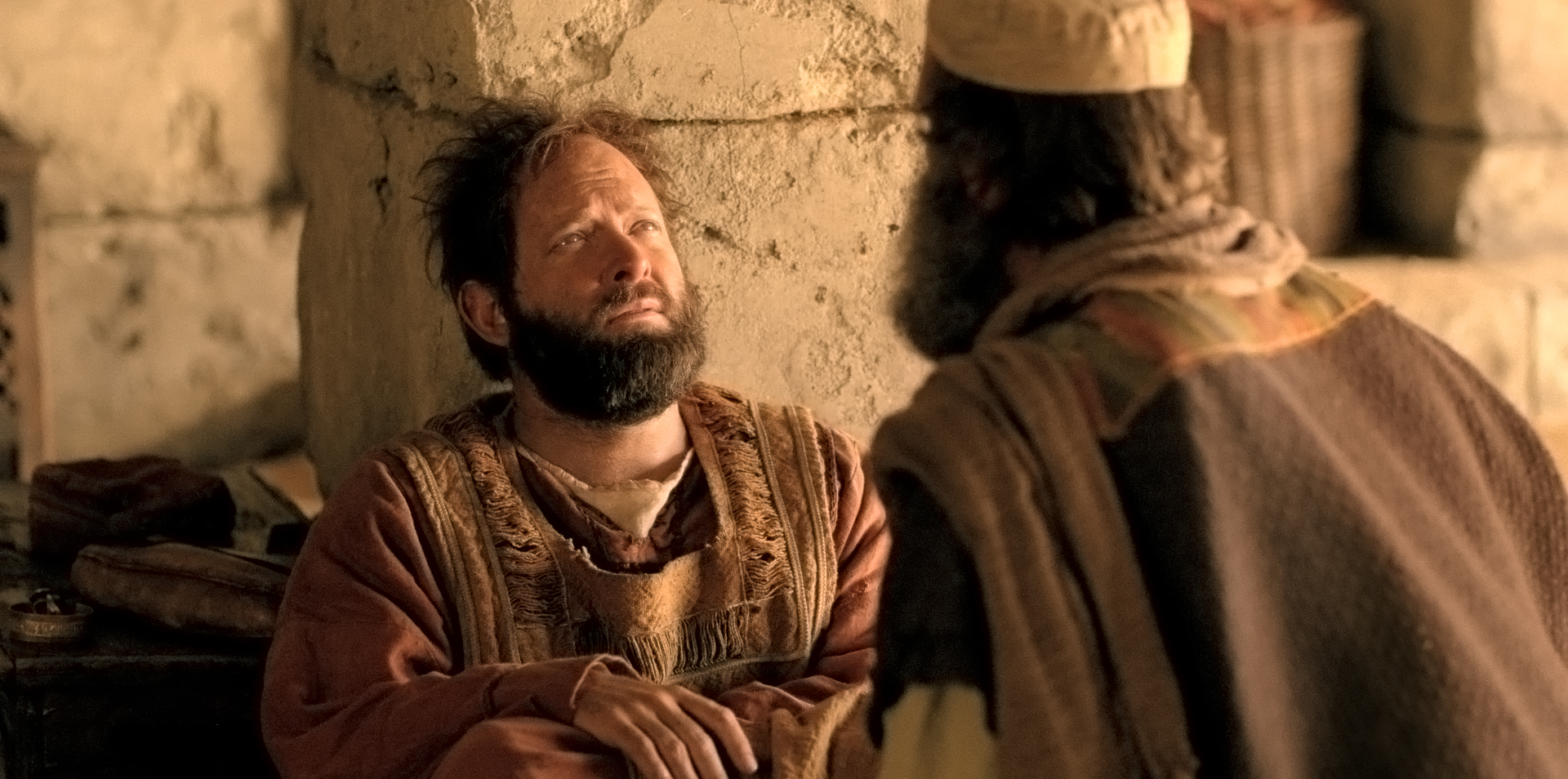
SAUL’S PERSPECTIVE IS CHANGED (8-18). Saul is blinded on the road. He doesn’t eat, drink, or see for three days. Meanwhile, the Lord commissions a man named Ananias to go preach to Saul. Jesus could have easily laid it out there for Saul, but He chose the “foolishness of preaching” to save this persecutor (cf. 1 Cor. 1:21). Naturally, Ananias was apprehensive about his mission, knowing full well all that Saul had done to the saints (13-15). The Lord reassures the preacher that Saul has changed his mind and is ready to hear what he must do, so Ananias obediently goes to Damascus and preaches to him (17). The hardships and realities of life can totally change our perspective, leaving us receptive to the will of Christ. We might not have been seeking before suffering.
SAUL’S CONDITION IS CHANGED (18). In this moment, he could see–physically and spiritually. With spiritual sight restored, he “got up and was baptized.” Saul would later look back on this and tell us more of what Ananias preached to him. “The God of our fathers has appointed you to know His will and to see the Righteous One and to hear an utterance from His mouth. ‘For you will be a witness for Him to all men of what you have seen and heard. ‘Now why do you delay? Get up and be baptized, and wash away your sins, calling on His name'” (22:14-16). Baptism changed his spiritual condition before God. It washed away his sins. It brought about the change of condition, opening door to a change of mission. Baptism is but part of God’s saving plan, but it is the point at which sins are forgiven for a penitent believer.
SAUL’S FELLOWSHIP IS CHANGED (19ff). His environment is no longer Christian-haters. It’s the hated Christians. He spends several days with them. He would prove to be such an asset to the saints at Damascus, and he is ultimately, readily accepted as one of them. He fought against the very ones he fought for before becoming a Christian (22), until his former allies plot to kill him (23-24). His new spiritual family helps him steal away (25). He seeks to fellowship with the disciples in Jerusalem, but in an age long before instant communication and technology the word had not reached these saints. They fear he’s an infiltrator, coming among them to do them harm. Can you imagine sitting down for a fellowship meal with the man that imprisoned or killed a friend or loved one? That’s possibly the situation for Saul and these saints. Barnabas, the generous encourager we met in Acts 4, paves the way for Saul’s acceptance. He is ultimately welcomed into the fellowship. Sometimes, our comfort zone is challenged with the addition of new Christians into our fellowship. It could be their worldly background, their income bracket, their skin color, or some similar difference that requires our adjustment. God expects that we’ll overcome any such superficial barriers and see what ties us together–our faith in and following of Jesus.
SAUL’S MESSAGE IS CHANGED (20-31). He proclaimed that Jesus is the Son of God (20). He proved to opposing Jews that Jesus is the Christ (22). He spoke boldly in the name of Jesus (27). He spoke boldly in the name of the Lord, talking and arguing with the Hellenistic Jews (28-29). As hard as he had been fighting against Jesus, he was now fighting that hard for Him.
No wonder the most operative word is “change.” A change of life changes our mind and outlook, setting up a change of our spiritual state (if we respond properly to teaching) that reflects itself in a change of our spiritual environment and a change of our purpose and mission. No, it won’t happen with the flair and drama that Saul experienced, but the gospel is as powerful today as it was then (cf. Rom. 1:16). If being a disciple of Jesus hasn’t dramatically changed who we are and what we do, it may help us to look at Saul’s life and then our own. He can be an encouraging example that prompts us to go deeper and further in our faith. Conversion involves real change. Jesus says conversion is essential to entering the kingdom of heaven (Mat. 18:3), spiritual healing (John 12:40), and for sins to be wiped away (3:19). May people be able to see the change Jesus has made and is making in us!
From 1 Samuel 15.12–28, we observe the following. After erecting a monument to himself at Carmel, Saul met Samuel at Gilgal. Saul greeted Samuel and proclaimed he had done as God commanded. Given Saul was supposed to destroy the Amalekites, Samuel questioned why he could hear the bleating of sheep and the lowing of oxen. Saul justified his actions, stating that only the best livestock were spared for sacrifices while he had destroyed the rest.
Saul faced a stern rebuke from Samuel, who reminded him of his humble origins and God’s directive to annihilate the Amalekites. Samuel emphasized Saul’s disobedience in seizing the spoils, a direct violation of God’s command. Saul defended himself, insisting that he had obeyed God and completed his mission, shifting the blame onto the people for preserving the best livestock for sacrifices.
In response, Samuel delivered a profound message, declaring that obedience to God’s instructions outweighs the value of sacrifices. Saul’s insubordination and rebellion were exposed and equated with divination, a grave sin. Samuel announced that since Saul had rejected God’s word, God had reciprocated by rejecting Saul’s kingship.
Saul confessed his transgression and pleaded for mercy, admitting that he succumbed to public pressure out of fear. He begged Samuel for forgiveness and expressed his desire to worship God. However, in his refusal, Samuel asserted that because Saul had dismissed God’s word, God had rescinded Saul’s kingship. As Samuel left, Saul desperately grabbed at his robe, tearing it. According to Samuel, this symbolized God stripping Saul of his kingship in favor of a more deserving ruler.
The narrative of King Saul, serving as a potent cautionary tale about pride and disobedience, hinges on two pivotal events in the books of Samuel. Samuel credits Saul’s humble beginnings with his initial rise to kingship (v. 17). 1 Samuel 15.17–19 records Samuel’s critical observations, hinting at a drastic character shift with grave repercussions. Samuel’s inquiries into Saul’s behavior, which underscore his failure to carry out God’s command to exterminate the Amalekites, highlight a drastic deviation from obedience and the principles that initially defined his character.
In 1 Samuel 13.8–14, we encounter the first instance reflecting Saul’s shifting attitude. In haste, he performs the sacrifice, a task designated for priests. This incident glaringly showcases Saul’s audacious belief that he could usurp responsibilities not assigned to him and his flagrant disregard for God’s laws and timing. This choice sets a precedent for Saul’s subsequent disobedience, eventually losing his kingship and favor with God.
The second occurrence in 1 Samuel 15 provides deeper insight into Saul’s transformation. Saul brazenly disregards God’s command, sparing King Agag and the choicest livestock. His rationale that He intends to use the animals for sacrifice underscores his presumption that his judgment surpasses God’s. This act of rebellion exhibits Saul’s tendency to place his will before God’s and to rationalize his wrongdoings. These actions further strain his already deteriorating relationship with God.In conclusion, the story of King Saul serves as a potent reminder of the dangers of misusing power. While Saul’s story begins with him as a reluctant leader who exhibits humility, his rise to power ultimately results in his fall. The Bible does not inherently vilify power, but its misuse, as manifested in Saul’s arrogance and disobedience, is sternly critiqued. His downfall offers a stark lesson in humility, obedience, and the responsible use of power, contrasting his actions with those of subsequent faithful kings. The story’s moral underscores the need for humility, obedience, and respect for the law, regardless of one’s position of power. It teaches that no one should consider themselves above God’s laws that He has entrusted them to uphold.
Saul had a bright future full of potential. When we first read of him he’s portrayed as a likable underdog who doesn’t see his own potential. He even stated that he’s just a nobody from the small insignificant tribe of Benjamin (1 Sam. 9.17-21). God anoints him as king and like every anointed king that we read of in the Old Testament, he influenced the nation’s relationship with God. In hindsight, we’re able to see God’s wisdom. A judge who spoke on behalf of God would carry out God’s will. A king would always be more susceptible to various forms of corruption with the great power given to him. No matter how the rulers would live their lives, good or bad, we can learn much. Sadly, Saul is one of those kings who taught us how not to live. Here’s a list of the many spiritual dangers we should avoid today.
Saul’s Seven Deadly Sins
I SAMUEL
The sin of lacking patience – 13.8
The sin of excuse-making – 13.11, 12; 15:15, 20, 24
The sin of half-hearted service – 15.1-26
The sin of Glorifying self – 15.12
The sin of fearing men rather than God – 15.15, 24
The sin of desiring forgiveness from man rather than God – 15.25
The sin of jealousy – 18.6-9
While there are other mistakes and shortcomings that lead to Saul’s physical and spiritual demise, we can be strengthened by them. His failures serve as warning signs and that’s exactly why they’ve been recorded in the only book God ever wrote.
Recently, I heard Dr. Ted Burleson point out that the book of Acts reveals three men named Ananias. The first one is in Acts five, the second one is in Acts nine, and the last one is in Acts 23. Those three men are very much unalike from one another in some basic, important ways.
The Ananias in Acts 5 was a Christian known for lying to Peter and to God about his offering. On the heels of Barnabas’ publicized and praised generosity, this man conspired with his wife to deceive the church about how much they were giving. While we do not read his words or even read that he spoke, it is implied that he did talk this over with Sapphira. His entire legacy is of a liar! Isn’t it tragic that the rest of his life, including his conversion, are completely omitted. This is all we know about him. What a sobering object lesson that I can undo a great deal of other good in my life if I let sin reign in my heart!
The Ananias in Acts 23 was the Jewish High Priest Paul stood before after he was arrested in Jerusalem. “Ananias was High Priest from A.D. 47 to 66, when he was assassinated by the Jews because of his support of the Romans during the Jewish uprising” (Newman and Nida, 432). We also learn that he was “famous for bribery and plunder of temple offerings” (Gangal, 386). Then we see, “His action (having Paul struck on the mouth, NP) was completely in character. Josephus depicted him as one of the very worst of the high priests, known for his pro-Roman sentiments, his extreme cruelty, and his greed” (Polhill, 468). He is known both in Scripture and out of Scripture for being unscrupulous. He will lead the attack against Paul before Felix (Acts 24:1-9). Not only does he refuse to accept Christ, he persecutes and attacks Christ’s messengers. He went out into eternity a sworn enemy of Jesus. At the Judgment, he will stand before Him! He reminds me that life is about preparing for eternity, and it is tragic to live for self in this life and reject the One who died for me.
The Ananias in the middle, in Acts 9, is completely unlike the other two who shared his name. He is introduced to us as a “disciple” (10). The Lord chose him for a choice mission, to go preach to Saul of Tarsus (10). As fearful as that task understandably was, he obeyed the Lord and went (11-17). Acts 22 adds that he was devout (God-fearing)(12), well-spoken of by other Jews in Damascus (12), and a faithful preacher (14) who was bold in message (16). Jesus did not convert Saul on the road; He chose a human messenger on earth to preach to him. Of all the disciples he could have chosen, this Ananias was given the opportunity. This man seized the opportunity and helped give the world the greatest preacher, save Jesus, the world has ever known! Nothing is said about this man after he preached to Saul. Whatever else happened in his life, Ananias is praised for his courage and faithfulness. He is forever linked to this eventual apostle, the man who baptized the ultimate world evangelist whose name we all know 2,000 years later.
There are other “Neals” in the world today. None of us have our names in the Bible, but which of us will have our names in the “book of life” (Phil. 4:3; Rev. 3:5)? Of course, the same is true of you whatever your name is. How we respond to the Lord’s grace as well as His will matters. Ask Sapphira’s husband. Ask Paul’s antagonizer. Ask Paul’s preacher. We have one life to prepare for the next life. May we so live that our name will be associated with the Name above all names (Phil. 2:9-10)!
Quite possibly one of the most difficult passages to read is 1 Samuel 15:3. In this verse God commands the Israelites to kill the Amalekites and He specifically says, “kill both man and woman, child and infant, ox and sheep, camel and donkey.” This verse is used by many to discredit the Bible and mock those that believe in a “God that murders babies.”
At first glance, this verse appears to be morally wrong. Did God really command the Israelites to commit infanticide? If He did, why would we serve a God like that? Why take the time to pursue a relationship with God knowing that He shed innocent blood? Doesn’t Proverbs 6:17 say that God “hates hands that shed innocent blood?” Maybe God’s a hypocrite and there’s a double standard. Maybe God doesn’t really love His creation. Maybe we serve a God that isn’t as pure and holy as He claims to be. Or maybe there’s a reason why God gave this command.
1 Samuel 15:3 can be better understood if we recognize several important facts.
The Context. In order to properly handle God’s Word, we can’t just pick a verse and read it at face value. So it is important that we read the context. Verse two shows us that the Amalekites attacked Israel on their journey out of Egypt. In return God promised to one day utterly destroy the nation (Deut. 25:17-19). From the moment the Amalekites chose to fight the nation of Israel, their fate was sealed…but not immediately. Exodus 17:8-16 records the events that took place and God says, “the Lord will have war with Amalek from generation to generation.” 1 Samuel 15:3 is God keeping His word.
Biblical and secular history. The Amalekites were recorded as being ruthless and cruel. They would actively search for pregnant women and kill their babies before killing the mother. In raids they would kill women, children, and everything else. They killed for sport and they raided places for fun. They didn’t fight other nations trying to protect themselves or their land, they just enjoyed slaughtering people and taking their stuff. The Amalekites were known for their cruelty, but also their hate for the Israelites. History also reveals that the Amalekites required that any and every living offspring was to avenge any nation or people that attacked them. This is seen with the Israelites in scripture. For 300 years the people of Israel fought with them. “Generation after generation” experienced war with the Amalekites. 300 years God let the murdering of His own chosen people to happen.
Why did God let them do this for so long? Well, why did God save Rahab? Or tell Noah to warn the sinful people about the flood? Why did God promise not to destroy a city if there were just ten righteous people in it? Why did God send prophet after prophet to warn the Israelites of their sin? Why did God allow His own creation to spit on, mock and crucify His only Son? Because God is a God of mercy and second chances. The Amalekites were given 300 years to repent, but 1 Samuel 15:3 is the result of their lack of repentance. God warned them what would happen, and there had to be punishment for sin.
But what about the innocent children and babies? Do you think God knew their future and what they would eventually become? God would never destroy a person that wanted to be saved. God wants everyone to come to repentance. 300 years of children and not a single one came to God and asked for repentance. God knows a whole lot more than we do. He has a perfect knowledge of the past, present and future. Since the culture of the Amalekites demanded that their offspring continue to murder and raid, the killing of the Israelites never ceased. If only a select group were killed, the problem would persist in the future as it had in the past.
God cannot sin, and in His infinite knowledge He gave a command that was without sin. A sinful nation that refused to acknowledge God had to face the consequences. On the judgement day there will be many people who are punished because of their sin. God in His mercy has given us a way to be saved, but it is up to each individual to make the decision that will ultimately lead to either torment or salvation. God is patient and loving, but He is also holy and righteous in His judgment.
Minimalism is a term often associated with the arts and humanities. It can also be a term used to describe a lack of decoration or adornment in design. One notes that minimalism features everywhere today, from webpage design to people’s desire to live in tiny houses. Despite sounding like a paradox, I suppose one can make the case that minimalism is the ultimate form of refinement. Even Leonardo DaVinci allegedly proclaimed that simplicity is the art of sophistication.
Since minimalism appears to be beloved, why is it so difficult to share the simple Gospel to a postmodern world? What could be more straightforward than the Gospel of Jesus Christ? Paul distilled it to three topics about Christ, even though each of those topics can fill volumes of their own accord (cf. 1 Corinthians 15.1ff). Yes, the Gospel, at its core, is the death, burial, and resurrection of Jesus Christ. Our salvation is contingent on symbolically reenacting His death, burial, and resurrection (Romans 6.3-6). Indeed, the salvation plan is so simple that kids sing a song detailing those steps to the tune of “Pop Goes the Weasel.”
Yet, when it comes to religion, complex human emotion appears to trump Divine simplicity. Ask Naaman. When told how to cure his leprosy, Naaman balked. The prophet told him to dip himself seven times in the Jordan River to cleanse his leprosy. Naaman stormed off.
“Behold, I thought, ‘He will surely come out to me and stand and call on the name of the Lord his God, and wave his hand over the place and cure the leper.’ Are not Abanah and Pharpar, the rivers of Damascus, better than all the waters of Israel? Could I not wash in them and be clean?” (2 Kings 5.11-12 NASB1995)
Luckily, Naaman’s wise servants were not turned away by simplicity. They reminded their master he would do any great thing to cure his leprosy. So, why not just wash? (2 Kings 5.13) Similarly, I do not think that telling people to be immersed so that they can wash away sins and call on the Lord’s name (Acts 22.16) is a matter of complexity. It is simple. The stumbling block for those unwilling to obey is typically prejudices and fears. They think another way is better. Perhaps, this other way was taught to them by a dear, departed loved one. They do not want to “condemn” their relative by obeying the Gospel.
However, obeying the Gospel is not an act of judgment. In rendering obedience, I am demonstrating a good conscience before God (1 Peter 3.21). We allow God to take care of the implications and trust, like Abram, “Shall not the Judge of all the earth deal justly?” (Genesis 18.25 NASB1995). No doubt, if that loved one who taught us something differently had the opportunity to be preached the simple Gospel of Jesus Christ, then they would have obeyed too.
If time permitted, I could expound upon other areas in which human emotion overly complicates the minimalism of God’s Divine plan for items such as worship. Yet, as with the virtue I am extolling, minimalism, it is best to keep this focused and concise. We should not be surprised that God would make the most critical things, like salvation, simple for us all to understand. Minimalism, experts remind us, is user-friendly and accessible. That is why we like it so. And it is also why God, the Master Designer, set up things so that the simplest among us can gain wisdom from it (Psalm 19.7).
Indeed, what can be more minimalist than the Gospel?
Has your job been deemed “essential” during our mitigation efforts against COVID-19? If not, you are likely either working from home or are facing a difficult financial situation as we await the reopening of our economy. Noting the choices made by certain people in positions of authority about essential and nonessential workers, however, makes this whole process of determination seem…capricious.
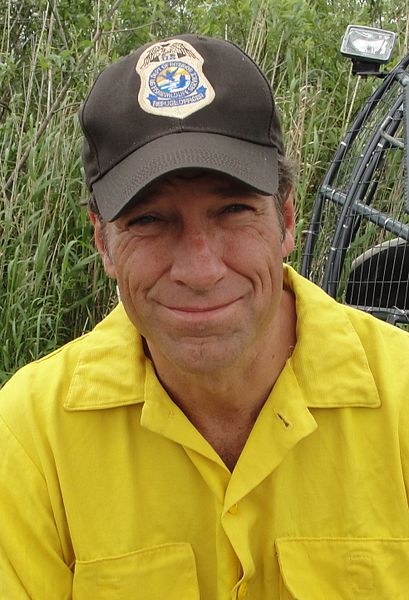
Mike Rowe, a man who made a name for himself doing the “dirty jobs” other people refused to do, stated his opinion was that there was no job that is nonessential. Appearing on a cable news program, he said, “Right now, there is this fascinating conversation going on on your network and all the networks, where we are making a distinction between essential workers and nonessential workers.” Rowe continued, “…there’s something tricky with the language going on here because, with regard to an economy, I don’t think there is any such thing as a nonessential worker.” 1
Rowe did admit that certain positions are greatly needed during a pandemic. Hence, we have greater need for a doctor now than a center fielder for a Major League Baseball team. “I just wanted to make the point that, when we talk about the economy, all work is essential,” Rowe stated. “Maybe it’s a distinction without too much of a difference, but in my mind, there is no such thing right now as a nonessential worker.” 2
Rowe makes a good point. For a healthy economy, every able-bodied person of age, must work. When person “A” earns a paycheck, he spends it in person “B’s” store. Person “B” can then provide for his own family. The property taxes person “B” pays allows person “C’s” child to go to school. In other words, the economy is something in which we all play a role, whether we appreciate our role within it or not. Yet, we see what happens when we purposely shut down a country to mitigate a virus. All the financial gains about which our country boasted for the last few years was wiped out in six weeks!
This isn’t a message about the economy or politics or Mike Rowe. It is rather about the harmful consequences we bring about by rashly judging what’s essential and nonessential without considering the bigger picture. When you have extra time, enter in the words, “baptism” along with “essential” and “necessary,” into your internet search engine of choice. I did. I found one page that proffered “101 Reasons Why Water Baptism is Not Necessary to be Saved.”
Fortunately, we have the book of Acts, also known as the “book of conversions.” Acts has many examples of people who, having heard the proclamation of the Gospel, submitted to baptism. It is a troublesome book for the one seeking to discount the necessity of baptism’s role in salvation. For this reason, such practitioners of a perverted gospel must say, “Baptism is an outward sign of an inward faith.” In other words, all these people were baptized to show their salvation rather than receive it.
Even if we only had the example of Paul’s conversion in the book of Acts, we would have enough reason to prove why baptism is not only necessary but essential. Paul was a man, made miserable by his newly acquired knowledge he was a sinner. He prayed fervently for three days. If one could “pray through” then Paul should have been able to have done so. And yet, when the preacher Ananias arrived, he saw the pathetic state that Paul was in and said, “Now why do you delay? Get up and be baptized, and wash away your sins, calling on His name” (Acts 22.16). Did Paul not realize he was saved and needed only to perform a ritual to confirm his salvation? If true, Paul was the most miserable Christian about whom we read in the pages of the New Testament during those three days he prayed and fasted.
We might make a tough judgment call because of a virus and shut down certain sectors of our economy since we believe them less essential during a health crisis. Ultimately, though, we realize even those deemed “nonessential” do play an important part in our economy, as Rowe suggested. We need them if we are going to climb up out of this trillion-dollar deficit hole this crisis has made us fall into.
Likewise, people may capriciously proclaim baptism nonessential. However, one wanting total restoration to the innocence lost in Eden must also know a demon’s faith (James 2.19) is not only insufficient to save but fatal (Mark 16.16).
Civil war has broken out in the kingdom after Saul’s death. David is a patriot who loves his people so he offers to treat Saul’s followers well after Judah crowns him as king. However, a man named, Abner, takes matters into his own hands and he defies God’s chosen king. He sets up Saul’s son, Ish-bosheth, as their new ruler instead. Abner, who was the general of Saul’s army, along with the servants of Ish-bosheth, make their way to the pool of Gibeon. This was a large pool carved out of rock by Saul’s father. Once they arrive they sit down. On the opposite side of the pool, Joab, David’s nephew, and his servants meet them and sit as well. Behind them, two armies stand in formation, ready for war— brother against brother. Abner, perhaps to prevent the death toll that a larger battle would bring, suggests that their servants fight for them. Joab agrees, but this idea quickly leads to a slaughter. Each servant grabs the other by the head, clinching hair in a tight fist, and cuts each other down simultaneously. This short altercation doesn’t provide a victor, so both armies charge each other. It’s a battle that is fought with so much passion, but God grants David’s army with the win. I imagine the Man After God’s Own Heart did not take joy in this victory. The chaos of war has already taken so much from him, including the life of his best friend, Jonathan.
After the battle of Gibeon has ended, David’s nephew, Asahel, takes off after the fleeing Abner. Asahel was known for his speed and agility, with it being likened to that of a gazelle. This speed allowed him to pass the others that were also in pursuit and he finds himself on the heels of Abner in no time. His swiftness will bring him a swift death. While Abner is not as quick, he is older with more experience. Twice Abner asks Asahel to stop this foolish attempt to take his life, but Asahel doesn’t take this advice. This is when Abner thrusts his spear behind him and the butt end of the spear goes through Asahel’s stomach and out the other side, killing the young warrior.
This is probably an account you never heard in Vacation Bible School, but there is so much we can learn from this event found in 2 Samuel 2:12-24. We notice how deadly pride can be. First, there is the pride of Abner in rejecting David as king, and then there’s the pride of Asahel. He was famous for being quick on his feet, but clearly slow in thought. Preachers and teachers can become well known for their ability to speak and proclaim God’s word. This fame can also be their own spiritual downfall if they begin to think more of themselves than they should. When we post scriptures, baptisms, or other good deeds on social media for our own praise and admiration, God may be the only One that sees your heart. Those are the only eyes that matter since they belong to the One that will be our final Judge.
We also learn from this story that serving a dead king is futile. As Christians we serve the King of Kings, God’s anointed son. Those standing with Him will always win. Those that chose to take matters into their own hands are fighting a losing battle.
When we read about events like this in the Bible it should also make us thankful for the day when we will enjoy a place where there is no heartache, bloodshed, or wickedness. Even David had to endure his share of trials, but now he’s with the God he modeled his heart after— and, we can assume, Jonathan. No matter what struggle we may find ourselves tangled up in, let’s place our focus on that heavenly reunion.
Paul recounted his conversion on several occasions and spoke of his attitude toward Christianity before embracing it himself. Of the many ways he described his pre-Christian life, think about what he said in Acts 26:11. He describes it as being “furiously enraged” at Christians. He ravaged the church (Acts 8:3). He breathed out threats against them (Acts 9:1). He had the power and desire to punish them (Acts 22:5). He was a violent aggressor toward Christians (1 Tim. 1:13). What changed him?
The word of Christ did (Acts 27:14). Jesus taught that among the conditions of heart is the good and honest one (Luke 8:15). The teaching of Christ can change people’s minds and attitudes.
A changed view of Christ did (Acts 27:15). Though Scripture does not explicitly tell us his view toward Jesus before his conversion, His vicious reaction to “The Way” (Acts 9:2; 22:4) reveals that he was absolutely opposed to the view of Christ asserted by the disciples, that He is Lord (cf. Acts 2:36). Yet, on the road to Damascus, encountering Jesus, Paul immediately begins to acknowledge Him as “Lord” (see how Luke emphasizes the Lordship of Christ in Saul’s conversion in the account in Acts 9—1,5,10,11,13,15,17). A person will have a dramatic attitude adjustment toward Christ who comes to acknowledge and appreciate Him as Lord and Master.
A more profound life’s purpose did it (Acts 27:16-21). Christ outlines His purpose for Saul—a minister (16), a witness (16), opening people’s eyes (18) as his own were. Whatever the focus of a person’s life, it is not as meaningful as when Christ is in the center of that focus.
16th-Century Scottish historian, John Knox, wrote, “No one else holds or has held the place in the heart of the world which Jesus holds. Other gods have been as devoutly worshipped; no other man has been so devoutly loved” (Haythum Khalid). That is true for those who come to take Him as He is presented in the Bible. In the public marketplace where ideas are sold and traded, we will encounter people whose mindset toward Christ and His Way mirrors that of Paul’s before He was converted to Him. Our task is to live Him in our lives and, if possible, share His Word. If their heart is good and honest, the Word will change their view of Christ and their view of their life’s purpose. If that happened so frequently in the unfriendly environment of the Roman Empire of the first-century, it can happen in our current culture!
Occasionally, a Christian who has fallen away and is approached by a concerned elder, preacher, or other Christian will respond by saying the people at church were cold, unfriendly, or unwelcoming. They complain that they get the “cold shoulder” from the folks in the congregation. Could most of us try harder to reach out to each other, as well as our visitors? Undoubtedly! Of course, all of us know that this is a pretty flimsy excuse for forsaking the One who suffered and agonized for each of us in order to make heaven a possibility for us or the One who provides us with such abundant blessings throughout every day.
However, the Bible does seem to show us a pretty clear case of a new Christian who dealt with the collective cold shoulder of the very first congregation of the Lord’s church. In fact, he also knew that those from his former religion were trying to kill him. Suffice it to say, he faced some enormous pressures and adversities as the result of his obeying the gospel of Christ. As he lived out the rest of his life, he suffered a lot just for teaching and preaching Christ, like being stoned, shipwrecked, scourged, slandered, and scrutinized. People questioned and doubted him. He did jail time. But in his early days while still a new convert, he felt the effects of the cold shoulder. The Bible says, “And when Saul had come to Jerusalem, he tried to join the disciples; but they were all afraid of him, and did not believe that he was a disciple” (Acts 9:26). Imagine trying to place membership at a local church and having people avoid you, doubt your conversion, and rebuff your attempts to fellowship them. That would be devastating. Would you continue worshipping at a place like that? Saul did. How did he warm up the cold shoulder?
First, he had help (Acts 9:27). Thank God for people like Barnabas, whom the Bible calls “the son of encouragement” (Acts 4:36). He intervened. He took the new Christian under his wings and brought him more into the fellowship of God’s people. God always needs and makes use of willing Barnabases who will help those on the outside looking in to “come inside” more fully.
Second, he spent time with the leadership (Acts 9:27b). Barnabas takes Saul to the apostles. So far as we know, churches at this time were not yet organized with elders. The apostles were the first leaders in that first church. Saul got to know them, and they got to know him. Luke, in Acts 9:28, simply says Saul “was with them.” God’s leaders are a crucial part of integrating those feeling the chill of the cold shoulder.
Finally, he proved his worth as a Christian (Acts 9:28-29). He was active. He reached out. He was involved. For Saul, that meant speaking boldly in Jesus’ name and defending His word. There is absolutely no proof that Saul ever lamented or complained about how the Jerusalem Christians were treating him. He just got busy. What was the effect of that? The first time Saul has a need, “when the brethren found out, they brought him down to Caesarea and sent him out toTarsus” (Acts 9:30). They reached out to him.
Ever think you see a spot of frost or icicle on the shoulder of a brother or sister in Christ? Consider several things. First, you may be “reading” him or her wrong. Second, they may be carrying some huge burdens that effect both their countenance and their demeanor. Further, even if you are right and are experiencing a Frigidaire moment from the faithful, remember the warmth of God’s love. It’s His church, part of His eternal plan, to which you have been added. He will never give you the cold shoulder. Then, remember Saul. Even if you don’t have a Barnabas, reach out to your elders. No matter what, remember that you serve the Lord and for that reason must keep your shoulder warm!