
Carl Pollard
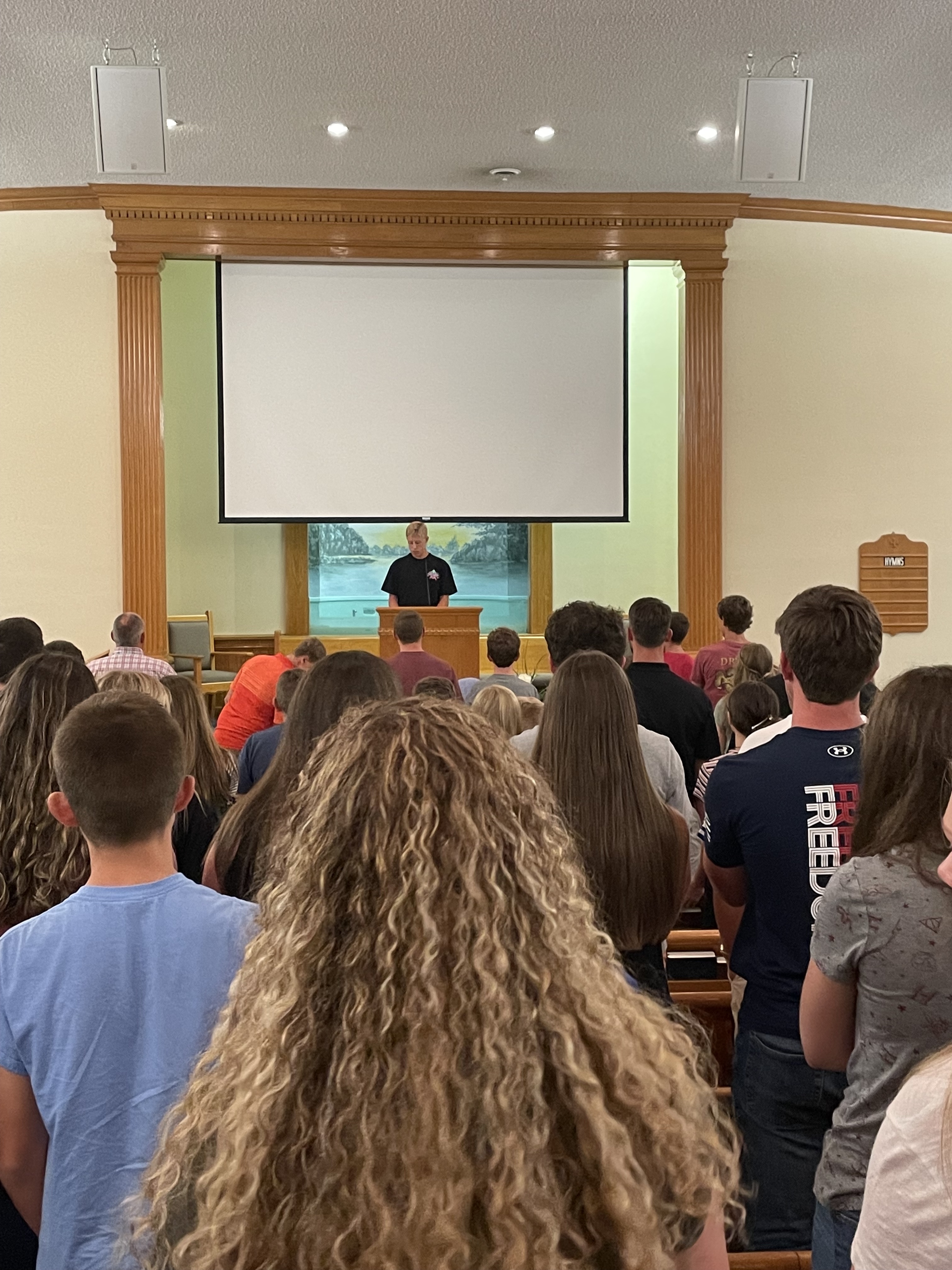
Prayer is a divine weapon, a sacred act that Satan dreads when wielded by faithful Christians. In the church, prayer is God’s design to weave us into a tight-knit community, binding us closer than proximity ever could. James 5:16 says, “The prayer of a righteous person is powerful and effective.” Intercessory prayer, lifting others before God’s throne, is a duty and privilege that transforms both the pray-er and the prayed-for.
Why pray for each other? Scripture commands it. Matthew 5:44 urges us to pray even for enemies, fulfilling the call to “love your neighbor as yourself” (Matthew 22:39). Pray for others the way you’d pray for yourself! Colossians 1:9 Paul models ceaseless prayer for others’ spiritual growth, while Galatians 6:2 frames intercession as bearing one another’s burdens, fulfilling Christ’s law. Hebrews 10:24–25 reminds us that prayer knits the church together, spurring love and good deeds. Yet, how often do our prayers default to vague “bless them” pleas or focus solely on physical needs? Intentional intercession digs deeper, aligning with God’s will.
Biblical heroes show us this. Abraham pleaded for Sodom’s salvation (Genesis 18:22–33), mirroring God’s heart for the wicked to turn and live (Ezekiel 33:11). Moses stood in the gap for idolatrous Israel, offering his life to secure their forgiveness (Exodus 32:11–14, 31–32; Psalm 106:23). Jesus, in His High Priestly Prayer (John 17:1–26), interceded for His disciples’ protection, sanctification, and unity, modeling prayers for eternal impact. Paul’s prayers for the churches (Ephesians 1:15–23; Colossians 1:9–12) prioritized spiritual wisdom and strength over physical circumstances.
To pray intentionally, embrace three keys. First, keep God’s bigger story in mind. While praying for safety or healing is valid, God often uses trials to shape us into Christ’s image (Romans 8:28–29; James 1:2–4). Like Jesus in Luke 22:42, balance requests for relief with surrender to God’s will, praying for faithfulness through suffering. Second, use biblical models to form your prayers. The Lord’s Prayer (Matthew 6:9–13) prioritizes God’s will and provision, while Paul’s prayers (Ephesians 3:16–17) seek spiritual depth. Third, pray specifically and with persistence, as 1 John 5:14–15 assures that prayers aligned with God’s will are heard.
Intercessory prayer is a sacrificial act of love, a call to stand in the gap for others, as Moses did, or to plead for unity, as Jesus did. It’s a rebellion against Satan’s schemes, a bridge to connect our church, and a path to spiritual maturity. So, who are you praying for today? Let’s commit to intentional, fervent intercession, trusting God to work mightily through our prayers.

 The Preacher Pollard Blog