Not Our Problem

Gary Pollard

If I had a dollar for every time the world was supposed to have ended in my lifetime alone, I could probably fill my gas tank. Most recently, the eclipse was supposed to mark “the end.” In Graham Hancock’s 1995 book Fingerprints of the Gods, he puts great stock in the Mayan prophecy concerning the world’s end (supposedly Dec 23, 2012, conveniently revised to “no later than 2040” in Magicians of the Gods, 2015). Y2K was supposed to be a disaster. 

Just since I was born (1993), here are a few of the times the world was supposed to end (from Wikipedia, sorry): 

  1. David Berg claimed that the earth would end in 1993. 
  2. 05.02.1994 — Neal Chase’s claim that New York City would be struck by a nuclear bomb, followed shortly by the second coming. 
  3. 09.06, 09.29, 10.2.1994 — Harold Camping’s three consecutive failed predictions that the rapture would occur on these dates. 
  4. 10.23.1997 — The date, according to 17th century bishop James Ussher, that the world was supposed to end. 
  5. 03.31.1998 — Hon-Ming Chen claimed that God would come to earth in a flying saucer at 10:00 AM. 
  6. 08.18.1999 — World was supposed to end on this day, according to the psychic The Amazing Criswell. 
  7. 09.11.1999 — Earth was supposed to burn on this date, according to Philip Berg. 
  8. At least a dozen different public figures claimed the earth would end in the year 2000 (Jerry Falwell, Tim LaHaye, Jerry B. Jenkins, James Harmston, Ruth Montgomery, Edgar Cayce, Sun Myung Moon, Ed Dobson, Lester Sumrall, and others). 
  9. Some 22 other predictions between 2000 and 2024 claimed that the end of earth was imminent. 

Does earth have an expiration date? Of course! But it makes us (understandably) look ridiculous when we fall for the doomsday-predictors’ nonsense. To comfort the churches at Thessalonica, Paul made it clear that we can’t miss the second coming. A few things have to take place first: 

  1. Lawlessness runs the entire world (2.3)
  2. The majority of Christians all around the world abandon God (II Thess 2.3). 
  3. Religion is discarded (2.4). 

We aren’t there yet. The church is still doing great things all over the world! The world is chaotic, but nowhere near as bad as it could be. Rather than discarding religion, we’re now seeing people pursue it, fed up with hedonism and its best friend nihilism. This may change in our lifetime, it may not. 

I’m writing this in light of what’s happened over the last few days in the Middle East. Already we’re seeing people claim that “Armageddon” is coming because Iran attacked Israel. The point is this: we simply don’t know when Jesus will return. Of all people, we’re the ones who are supposed to be least concerned about it! Rather than portraying an image of gullibility, let’s showcase Jesus’s love to our fellow people. If he returns, great! If not, we have much better things to do than share, post, re-post, or otherwise buy into doomsday speculations. 

The Time Is Near

Gary Pollard

I learned something from dad a while ago: when you’re sick, exercise. It was rare, but whenever he got sick he would run back-to-back marathons or something crazy and would be fully recovered the next day. I decided to try his mad method and found that it really does work! Today was one of those days — I got the bug and didn’t skip the gym. 

When I got there I saw one of our lifting buddies. He asked if we had a good Christmas, and I said, “It was awesome, but this year felt different for some reason. It was almost weird, and I can’t put my finger on why.” He said, “It really did! I don’t know why, but this year felt weird. The time is near.” 

Maybe it is, maybe it isn’t. Peter wrote, “The time is near when all things will end. So keep your minds clear, and control yourselves. This will help you in your prayers. Most important of all, love each other deeply, because love makes you willing to forgive many sins” (4.7-8). He said that two millennia ago! From our perspective, that’s not exactly “near”. For those Christians, though, it was. 

Whether the end of this earth is imminent or not, Peter’s reminder is relevant. We don’t know when our lives are going to end! Having clarity of purpose, self-control, and selfless love will keep us ready for Jesus’s return. 

“Everything that God made is waiting with excitement for the time when he will show the world who his children are. The whole world wants very much for that to happen. Everything God made was allowed to become like something that cannot fulfill its purpose. That was not its choice, but God made it happen with this hope in view: That the creation would be made free from ruin—that everything God made would have the same freedom and glory that belong to God’s children” (Rom 8.19-21). 

“Prepare for the Unexpected”

Brent Pollard

As I prepared for an appointment, the television commercial advised me to take advantage of their services so that I could “expect the unexpected.” I’m not too fond of that phrase. It could be considered a pet peeve. The statement’s paradoxical nature irritates me. It is impossible to anticipate something that is, by definition, unexpected or unforeseen. So, why do we keep using this illogical expression? 

Since I grasp this idiom’s meaning, I recommend replacing it with “prepare for the unexpected.” The second option is feasible for us. Since we anticipate the possibility of unexpected events, we can plan accordingly to deal with or adapt to them. It’s like preparing for an accident by stocking your first aid kit with bandages for occasions when you get a cut or scrape. You didn’t know you would get that cut, but you had a dressing ready just in case.

Spiritually, Jesus tells us to prepare for the unexpected. Contextually, the unexpected is His Second Coming. To teach us this lesson, Jesus told the Parable of the Ten Virgins (see Matthew 25.1–13). The titular maidens are members of the bridal party. Unbeknownst to most contemporary readers, weddings in the first century were a different type of affair. 

The bridegroom’s arrival was cause for both celebration and anticipation in first-century Jewish wedding customs. After the engagement, the bride would wait at her father’s home for her future husband to come and take her away. The groom had complete control over when this occurred. 

The groom frequently transformed the process into a joyful game or challenge in which he attempted to surprise the bride and her attendants. This element of surprise heightened everyone’s excitement and enthusiasm for the party. Shouts announced the bridegroom’s arrival, so the wedding party members had to prepare to join the procession anytime, even after dark.

The five prudent virgins were ready for whatever might happen. They had brought extra oil because of the potential for the groom to be late. Those considered foolish should have considered the possibility of the bridegroom arriving late at night. According to the parable, the shout announcing the bridegroom’s arrival woke them up. 

The foolish virgins woke without oil for their lamps and asked the wise ones to borrow some. The wise virgins said they didn’t have enough oil to spare for the foolish virgins’ lamps. The bridegroom led the wise virgins to the wedding feast while the foolish virgins went to get more oil. By the time the foolish came, it was too late; the groom shut the doors. 

Jesus ends the parable by telling us to be alert since we do not know the day or the hour of His return. Hence, you and I must prepare for the unexpected (i.e., the Second Advent).

We need general preparedness. The most crucial general preparation is to obey the Gospel. For those who felt the weight of their sins on the Day of Pentecost, Peter preached repentance and baptism (Acts 2.38). Individuals submitting to baptism resulted in church growth. The Bible says that the Lord kept adding to that number those He saved (Acts 2.47). Once one is a part of the Body, he must make other general spiritual preparations such as prayer, good deeds, and maintaining a solid relationship with God (see 1 John 1.7).

We need mental preparedness. Christians should have a strong faith and accept that God’s timing may not coincide with their own. Like the bridegroom in the parable, we cannot know when Jesus will appear “with a shout, with the voice of the archangel and with the trumpet of God” (see 1 Thessalonians 4.16 NASB). Predicting when our Lord will return is fruitless, but people have been trying for years. Jesus declares that not even He knows when that day will be, only His Father (Matthew 24.36). Thus, we don’t know the exact date, but we know that God has chosen it (Acts 17.31). 

We need to practice risk management. Believers waiting for Christ’s return should take precautions against the spiritual “risks” or pitfalls that could undermine their faith or readiness. Do you remember what Jesus taught in the Sermon on the Mount? If your right eye and right hand are the source of your sin, Jesus says it is better to have them amputated than go to hell as a fully functional human (Matthew 5.29-30). Jesus isn’t suggesting we physically cut out our eyes, but instead that we turn away from the things that trigger our lust. Jesus isn’t telling us to cut off our hands, but rather that we turn away from the things that trigger our greed. The gates of hell are not a place where Christians play chicken. Instead, we manage risks. 

In conclusion, even though paradoxical sayings like “expect the unexpected” can be annoying, “preparing for the unexpected” is a powerful reminder of the deeper truths embedded in our spiritual journeys. Like the prudent virgins in Jesus’ parable, we must be ready for anything, including the unanticipated events of everyday life and, most importantly, the return of Christ. There are many facets to this kind of readiness, including general and mental preparedness, recognizing our human limitations when it comes to divine timing, and taking proactive measures to protect our faith from harm. 

Let us go beyond waiting for the Lord’s return and establish ourselves in purpose, deed, and unwavering faith. By getting our heads and hearts in the right place, we anticipate His return and make strides toward spending eternity with Him.

A Warning And An Invitation

Thursday’s Column: Captain’s Blog

On June 14, 1921, Winston Churchill warned the British House of Commons about a looming threat that took a little over 80 years to see come to fruition in a graphic way:  “The Wahabis profess a life of exceeding austerity, and what they practise themselves they rigorously enforce on others.  They hold it as an article of duty, as well as faith, to kill all who do not share their opinions and to make slaves of their wives and children” (Churchill, “Never Give In,” p. 83).  These ones he called “bloodthirsty” were ancestors of many of today’s radical Islamic fundamentalists.  

It is eerie to see how accurate Churchill’s concern was and how timeless his warning.   He warned of a threat that few saw as looming in the days immediately following World War I.  If politicians and military strategists had given deeper consideration to his warnings, lives would have been saved.  Often, though, warnings are more dutifully considered in the rearview mirror.

In the last chapter of the Bible, John relays a heavenly warning and an invitation.  The warning is against tampering with the word of God (18-19).  It will bring about spiritually fatal results, whether one adds to what God says (cf. Prov. 30:6) or takes away from what God says (Deut. 4:2).  Adding to divine truth adds torment to the soul; taking away from divine truth results in one having taken away from him the promises and hope of heaven.  In both testaments, God warns man not to change His word.

Yet with this warning is also an invitation (17).  It is an invitation to share in a gift undeserved and yet unreservedly given.  It is for all who are willing and who come.  Those who hear this invitation and properly respond need not worry about the warning.  “The grace of the Lord Jesus Christ” will be with them (Rev. 22:21).  We are wise to consider the validity of the warning and prepare our lives convicted of its power and reality.  In turning from iniquity, though, let us turn toward the one who invites and live.

Neal Pollard

Keeping On Track Until He Comes Back

Wednesday’s Column: Third’s Words

I Thessalonians 5.12-13a — Church Leadership Helps Keep Us on Track

  • We have to recognize their value because elders are a critical part of setting the tone of a church family. 
  • Because of their work, God expects us to consider them the MVPs of our congregations. 
  • God will personally reward elders who do good work (I Pt 5.4; Hb 13.17; Acts 20.32). 
  • God expects us to show elders the highest respect and love. We’re all human and we’re all going to mess up. Last anyone checked, elders are human too. God hands out grace generously, and demands we do the same for his elders. 

5.13b-22 — God Expects Us to Do Some Things…

  • Live peacefully with each other. 
  • Keep each other accountable. 
  • Patiently work with weak Christians. 
  • Stay on top of doing good things for people. 
  • Stay happy. 
  • Keep praying. 
  • Be grateful. 
  • Don’t put a wet blanket on God’s work. 
  • Make sure everything we teach is legit. 
  • Avoid evil proactively. 

5.23-28 — If We Try Our Best, God Will Make Sure We’re Ready When Jesus Comes Back

  • We can trust him to make us ready when he comes back because his grace is extremely powerful. We know what we struggle with, but God is more powerful than our guilty hearts (I Jn 3.20). He’ll make sure we’re ready when he returns. 
  • In the meantime, he expects us to stay on good terms with each other. 

Summary: 

  • Everything we do has the last day in mind. It’s why we don’t live the way we might want to. 
  • It’s why we love people when they’re often not easy to love. 
  • It’s why we go through pain with our heads held high. 
  • We want to wake from death’s sleep to the incredible sight of Jesus’s angels bringing us to him (Mt 24.31; I Thess 4.17). 
Gary Pollard

Are You “Prepping”?

Monday’s Column: Neal At The Cross

Neal Pollard

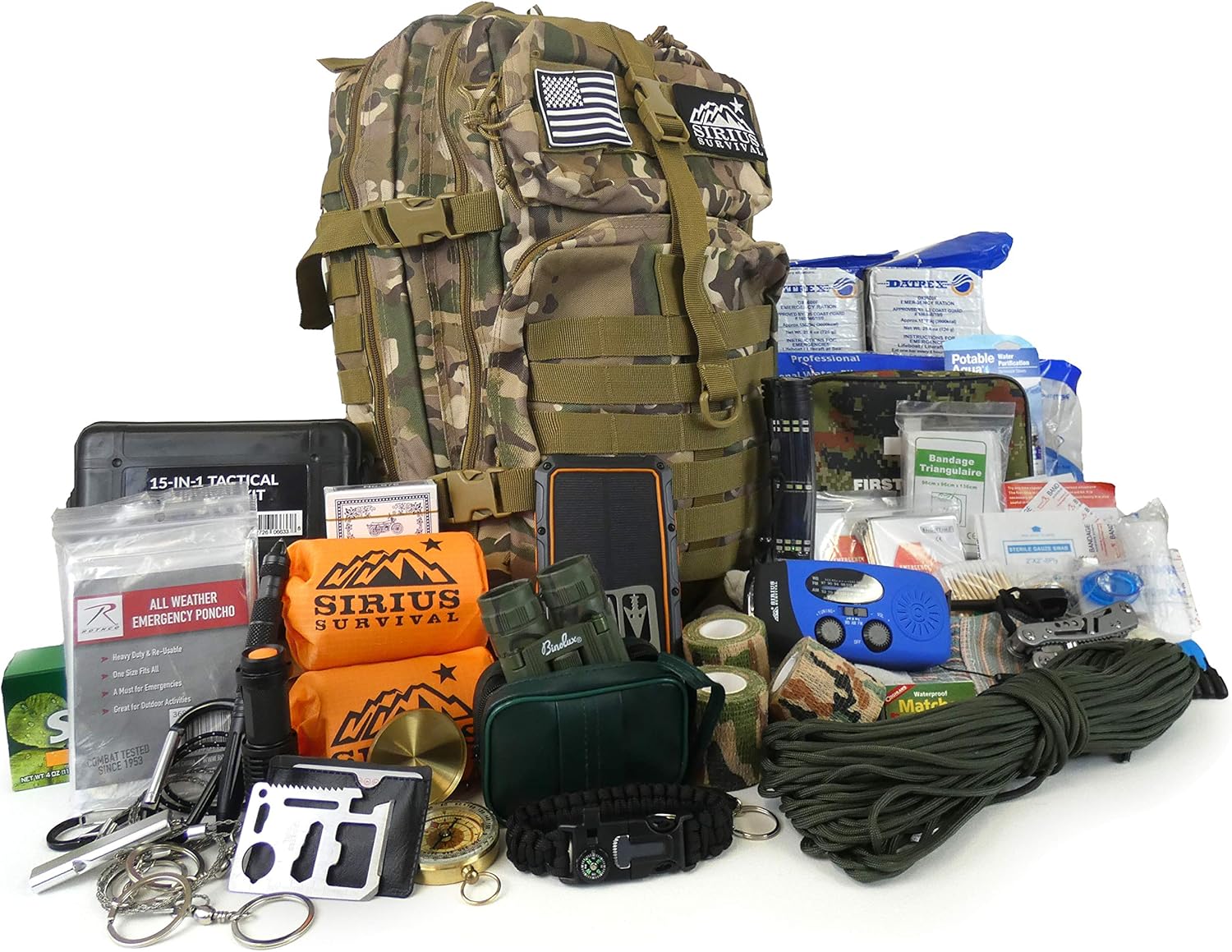
Some have called it the “doom boom.” Before Covid, Digital Media Solutions estimated that there were some 3.7 million Americans who classified themselves as “survivalists” (source). From food to water, from clothing to shelter, a growing number of people are stockpiling, hoarding, or whatever term is most relevant to their situation. Actions range from accumulating ammunition, gasoline, and can goods to building high-end luxury apocalypse shelters. Whoever the perceived enemy is, shadow governments, foreign nations, social revolutionaries, or some combination thereof, people want to be ready!  It helps them feel calm even as they have friends, neighbors, and family who seem to be doing nothing to prepare for such increasingly plausible scenarios.

Scripture does talk about the importance of preparation. True, the Bible talks about how the ant “prepares her food in the summer and gathers her provision in the harvest” (Prov. 6:8). But even greater emphasis is put on a different kind of preparation. God directs us in this readiness. 

Are you prepping for every good work (2 Tim. 2:21)? Paul tells us how that’s done in context. We must “avoid worldly and empty chatter, for it will lead to further ungodliness” (16). Paul gives as an example of this people who upset the faith of others by saying the resurrection had past. He also says to “flee from youthful lusts and pursue righteousness, faith, love, and peace” and “a pure heart” (22). Then, “refuse foolish and ignorant speculations, knowing that they produce quarrels” (23; “split hairs,” 14). An untamed tongue (Js. 3:2ff), unholy craving (1 Cor. 10:6), and undisciplined mind (Prov. 4:23) can really keep us from being prepared to do the good works God designed us to walk in (cf. Eph. 2:10)? The aim, according to Paul, is to be a vessel for honor, sanctified, useful to the Master” (21). Is what we do each day prepping us for that?

Are you prepping your mind for action (1 Pet. 1:13)? Peter writes this to a people facing persecution and spiritual adversity (6). In the first of a series of imperatives, Peter tells them to “prepare your minds for action” (literally, “gird the loins of your mind”). The word is only found in this verse, but “It is taken from the custom of the eastern nations who, when they had occasion to exert themselves (as in journeying, running, etc.), used to bind up their long–flowing garments by a girdle or belt about their hips” (Zodhiates, The complete word study dictionary, np). So, the idea is cinching up what’s loose. Peter says you prepare your mind for action by keeping sober in spirit. I find it interesting how often sober-mindedness is connected to preparing for the judgment (1 Th. 5:6,8; 2 Tim. 4:5; 1 Pet. 4:7; 5:8). Even in this passage, Peter follows this command up with the command, “fix your hope completely on the grace to be brought to you at the revelation of Jesus Christ.” There’s the action now of living the faithful Christian life, even in the face of opposition. Then, there’s the action of fixing your hope on Christ’s coming. We prepare to live in the present while preparing for the end.

Are you prepping for the Lord (Lk. 1:17)? Luke tells us that John the Baptist was sent “to make ready a people prepared for the Lord.” We can read in the New Testament that he was success in helping some do that, while so many others thought he was crazy and still others so dangerous that they resisted him. Ultimately, a wicked man who already wanted to kill him but was afraid of the many who regarded John as a prophet, found occasion to take his life (Mat. 14:5ff). His mission ultimately succeeded (Luke 7:22-23). Of course, Jesus Himself is eventually killed, but that death was necessary to help prepare us for His second coming (Heb. 9:28). There is a song which admonishes us, “There’s a great day coming…when the saint and the sinner shall be parted right and left, are you ready for that day to come?” How tragic to be stockpiling for an armageddon but unprepared for the Judgment. 

These may seem like dire days full of foreboding. Whether economic collapse, social unrest, or political corruption, we may be concerned about civil or national trouble ahead. Yet, that is not what Scripture emphasizes. Scripture emphasizes how God wants His people preparing to do good, think right, and be ready for eternity. All our “stuff” will be burned up in the end (2 Pet. 3:10). Our souls never die, and we will be somewhere eternally (Mat. 25:46). Each day is about prepping for that! May we encourage each other to get ready and stay ready!

Where Is He?

Wednesday’s Column: Third’s Words

Gary Pollard

It’s tempting to run with Jesus’ words in Matthew 24, “But of that day and hour no man knows…only the father.” We might think we’re all set or that he won’t come in our lifetime. I Thessalonians 5.1-3 reinforces the surprise nature of his return. II Peter 3 says the same. For sure, we won’t know when, but it’s good to be reminded that we aren’t promised tomorrow. 

The Patriarchal Age lasted roughly 2500 years, the Law was in effect for around 1500 years, and we’ve been in the last age for nearly 2000 years. No one can point to a day, but there’s nothing wrong with living as if He’s coming back in our lifetime. 

“Since all of these things will be destroyed, what kind of people should you be in lives of holiness and godliness, waiting for and hurrying God’s return?” (II Pet. 3.11). 

“Now, brothers and sisters, about times and dates we do not need to write to you, for you know very well that the day of the Lord will come like a thief in the night. While people are saying, ‘Peace and safety,’ destruction will come on them suddenly, as labor pains on a pregnant woman, and they will not escape” (I Thess. 5.1-3). 

“Escargot?”

Wednesday’s Column: Third’s Words

Gary III

Gary Pollard

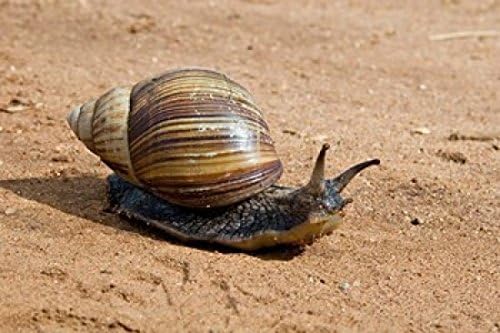
[Note: I titled it escargot because I used to get eschatology and escargot confused. Plus, in his section concerning the end of time Peter prefaces with, “The Lord isn’t slow concerning His promises the way we consider slowness.” Snails are slow. The end of time seems far away, hence escargot]

A lot of movies detailing a world-ending event are designed to elicit a fearful response from viewers (for thrills, of course). Whether it’s the Walking Dead’s zombie apocalypse, Independence Day’s alien invasion, or Knowing’s solar flare (although Nicolas Cage’s acting is probably the most terrifying thing about the movie…), the end of time is usually portrayed as a terrifying event requiring humanity to go to incredible lengths to avoid it. 

Christianity is so beautiful because we’re actually dying for the end to come! 

I Corinthians 1.7 – “…as you wait for the revealing of our lord Jesus Christ…” Wait is apekdechomia, which means to welcome something with great anticipation. The same word is used to I Peter 3.20 where God eagerly waited for the earth to run away from sin in the days of Noah. 

Philippians 3.20 – “But our citizenship is in heaven, and from it we await a savior, the lord Jesus Christ…” Paul encouraged the Philippian church to imitate the examples of selflessness he had listed, especially since enemies of the cross were in existence (maybe even an indirect reference to Euodia and Syntyche). Unlike the enemies of the cross, we’re waiting for God to save us from this world. 

Romans 8.19 – “For the creation waits with eager longing for the revealing of the sons of God…” And 23, “Not only creation, but we who have the firstfruits of the Spirit groan inwardly as we wait eagerly for adoption as sons, the redemption of our bodies.” Redemption is apolutrosis, which describes release from a captive state or from interrogation. We eagerly anticipate the last day. 

Hebrews 9.28 – “…so Christ, having been offered once to bear the sins of many, will appear a second time, not to deal with sin but to save those who are eagerly waiting for him.” Verse 27 makes it very clear that we face judgment immediately after death! Jesus’ second coming is to save us from this world, which was made dysfunctional because of sin. 

II Peter 3.12 – “Since all these things will be undone, what sort of people should you be in lives of holiness and godliness, waiting for and hurrying the coming of the day of God, because of which the sky will be set on fire and dismantled, and the earth and the works done within it will be dissolved.” Peter is describing the end, but far from terrifying, we are waiting for and hurrying that last day. 

A lot’s going on in our world, much of it scary and anxiety-inducing. Oh well! “Come back, lord Jesus” (Rev. 22.20).  

Seeing God In Nature: Volcanos

Neal Pollard

As we received word of the volcanic eruption near Guatemala City, Guatemala, yesterday, where Bear Valley Bible Institute has had an extension school for several years, we were reminded of the omnipotence of God. The power God displays through nature and His creation reveal how such a powerful effect reveals an even more powerful cause. Volcanic activity for which there is no recorded history, like at Yellowstone, Deccan Plateau, and Santorini, stand alongside several we do know about. Perhaps Pompeii or Mt. Saint Helens is most infamous, but the Mount Tambora volcano in Indonesia has been called the most explosive and deadly for which there is historical recounting. Mount Tambora’s eruption began on April 5, 1815, and the mountain blew apart on the evening of April 10th. “The blast, pyroclastic flows, and tsunamis that followed killed at least 10,000 islanders and destroyed the homes of 35,000 more” (britannica.com). It went from being a mountain 14,000 feet high to being a caldera (a crater) 3.7 miles across. Its effects were intense and global. It shot megatons of material into the atmosphere, preventing so much sunlight from reaching the earth’s surface that 80,000 more Indonesians died from famine and disease. The earth’s average temperature was reduced over five degrees. Western Europe and eastern North America experienced heavy snow and killing frost in June, July, and August, causing “crop failures and starvation in those regions, and the year 1816 was called the ‘year without a summer’” (ibid.).

Volcanos are so awesome and powerful that they evoke a strong response from us. They illustrate several things of a spiritual nature. As noted above, they are demonstrations of an all-powerful God. So often, they erupt without specific warning. There may have been tremors and signs for years, but nothing out of the ordinary. Then, too rapidly for many to escape, the cataclysmic occurs. It is a testimony of good that comes from tragedy, too. The Department of Geosciences at Oregon State University reminds us that volcanic soil is very rich and conducive to a dramatic agricultural comeback following these geological events (volcano.oregonstate,edu). These events should help remind us of a truth Bible writers like Peter teach us, that “…the day of the Lord will come like a thief, in which the heavens will pass away with a roar and the elements will be destroyed with intense heat, and the earth and its works will be burned up. Since all these things are to be destroyed in this way, what sort of people ought you to be in holy conduct and godliness, looking for and hastening the coming of the day of God, because of which the heavens will be destroyed by burning, and the elements will melt with intense heat!” (2 Pet. 3:10-12). 

Please pray for our brethren in Guatemala and for the hearts of all men outside of Christ, that they might come to a saving knowledge of the truth before it is eternally too late. May the evidence gleaned from places like nature, including volcanic events, persuade mankind of the reality and power of God. So persuaded, perhaps their hearts will be open to learning more about Who this God is as we share the revelation of Him as found in His Word!

caldera_mt_tambora_sumbawa_indonesia
Mount Tambora caldera

ARE YOU ON THE LIST?

Neal Pollard

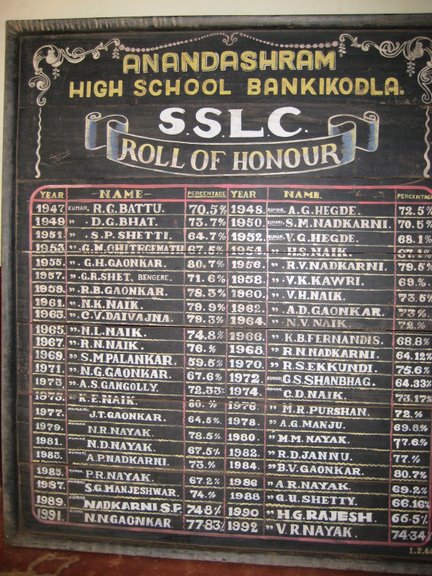
I recently heard D.C. Brown, illustrating proper conduct, mention a list I’ve seen at times in my adult life. The list he mentioned was of people whose personal checks the cashier was not to take. The offenders apparently wrote “bad checks,” checks they did not have sufficient funds to cover. The names, as is typical, were bold and legible to the customer as well as the employee. Multiple purposes are achieved through such a list—warning, shaming, identifying, and the like. It is unlikely, but not impossible, that someone’s name might accidentally land on the list.

Throughout our lives, we may find ourselves looking to see if we are on this list or that. When I was in school, they would publish the honor roll list, depth charts in sports, casts for plays and who was chosen for what part, and those who were selected for the Beta Club or Honor Society. The advent of the internet has slowly replaced paper lists with electronic ones, but the concept is still intact.

The Bible talks about a “list.” It is a list every thinking and feeling person should yearn to have their name written on.  The setting is the great day of judgment, recorded by John in Revelation 20:11-15. Jesus is sitting in all His majesty on His throne. Everyone, great and small, stood before that throne. They were judged by God’s Word and what they did with it. In a sobering text, here is the climax: “And if anyone’s name was not found written in the book of life, he was throne into the lake of fire” (15). Jesus preached on earth that the majority of all people will not be on that list (Mat. 7:13-14). They will have neglected or rejected the will revealed in the Bible (cf. John 12:48). If never before that moment, at that threshold of eternity they will have never wanted anything like they will want to have their name on that list. But, then it will be too late. Now is the time to submit ourselves and our lives to that divine will and, by grace through faith, have our name written there.

Some lists we would wish to avoid in this life. The list, in Revelation 20:12, is not one of them. What a joy it will be to hear our name “when the roll is called up yonder”!

ahschool-roll-of-honor-list281947-9229

Tora! Tora! Tora!

Neal Pollard

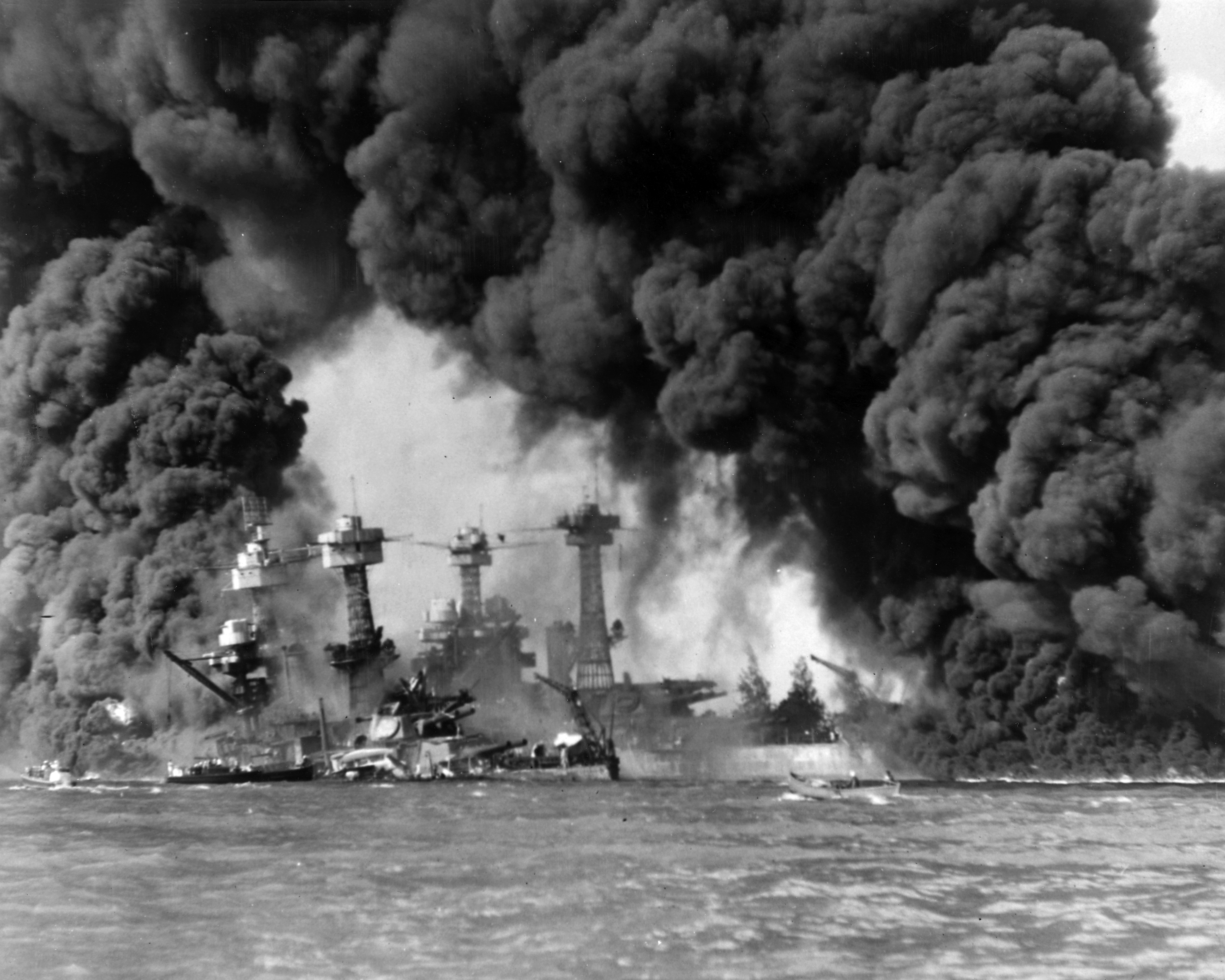
Today marks the 75th anniversary of the attack on Pearl Harbor, the event which drew our country into World War II. 2,343 men were killed, 1,143 were wounded, and 960 unaccounted for or missing. The Japanese chose Sunday to attack as it was the most relaxed day of the week for the servicemen. Many were still in their pajamas or having breakfast when the attack began at 7:55 that morning. Kermit Tyler, an Air Force lieutenant serving as the officer on duty that morning, told the radar operator not to worry about the large blip on the radar screen. He thought it was a flight of U.S. bombers coming from our mainland. Instead, it was the first wave of attackers. Captain Mitsuo Fuchida, the airstrike leader for the Japanese carrier force, could see that Pearl Harbor was totally unaware of the impending attack. He radioed back a coded message, repeating an abbreviated word three times—“to ra, to ra, to ra”—meaning “lightning strike.” The transmission began at 7:49, undetected by the soon-to-be victims of the attack that began a mere six minutes later (read more here).

Among so many significant facts, what we most remember about the attack on Pearl Harbor was how utterly surprising it was. No one stood vigil, considering the possibility of it. Like its later counterpart, “9/11,” and even natural catastrophes like Pompeii, the Galveston hurricane, the 2004 tsunami, or Mexico’s El Chicon volcano, serious and deadly events can occur without warning. With our most sophisticated technology and detection systems, we are without the ability to forewarn about the greatest surprise that will ever be.

Paul says that the resurrection of the dead of all time will occur “in a moment, in the twinkling of an eye” (1 Cor. 15:52). Paul and Peter both refer to “the day of the Lord” as that which will come “as a thief in the night” (1 Th. 5:2; 2 Pet. 3:10). Jesus warned that the day could be a disaster, a trap that comes on one “suddenly” (Luke 21:34). He taught that it will come at an hour unknown to everyone (Mark 13:32-33).

While it will surprise everyone, the coming of Christ will be a devastating event for the great majority of mankind. For them, it will infinitely exceed the loss of physical life. It will be an everlasting loss (Mat. 25:46; 2 Th. 1:9). Yet, God has made preparation eminently possible. He desires escape for everyone (2 Pet. 3:9). One can be prepared for that day and be saved from harm and for something inexpressibly superior. Those of us who have discovered the way of preparation must hold fast to it (cf. Heb. 3:6) and strive to share this vital information with as many as possible. The sudden coming of Christ need not be a defeat, but can instead be the harbinger of the greatest victory ever.  May Paul’s inspired exclamation be our song of victory: “Death is swallowed up in victory. O death, where is your victory? O death, where is your sting?” (1 Cor. 15:54b-55). Amen. Come, Lord Jesus (Rev. 22:20)!

burning_ships_at_pearl_harbor

Is It A “Sign”?

Neal Pollard

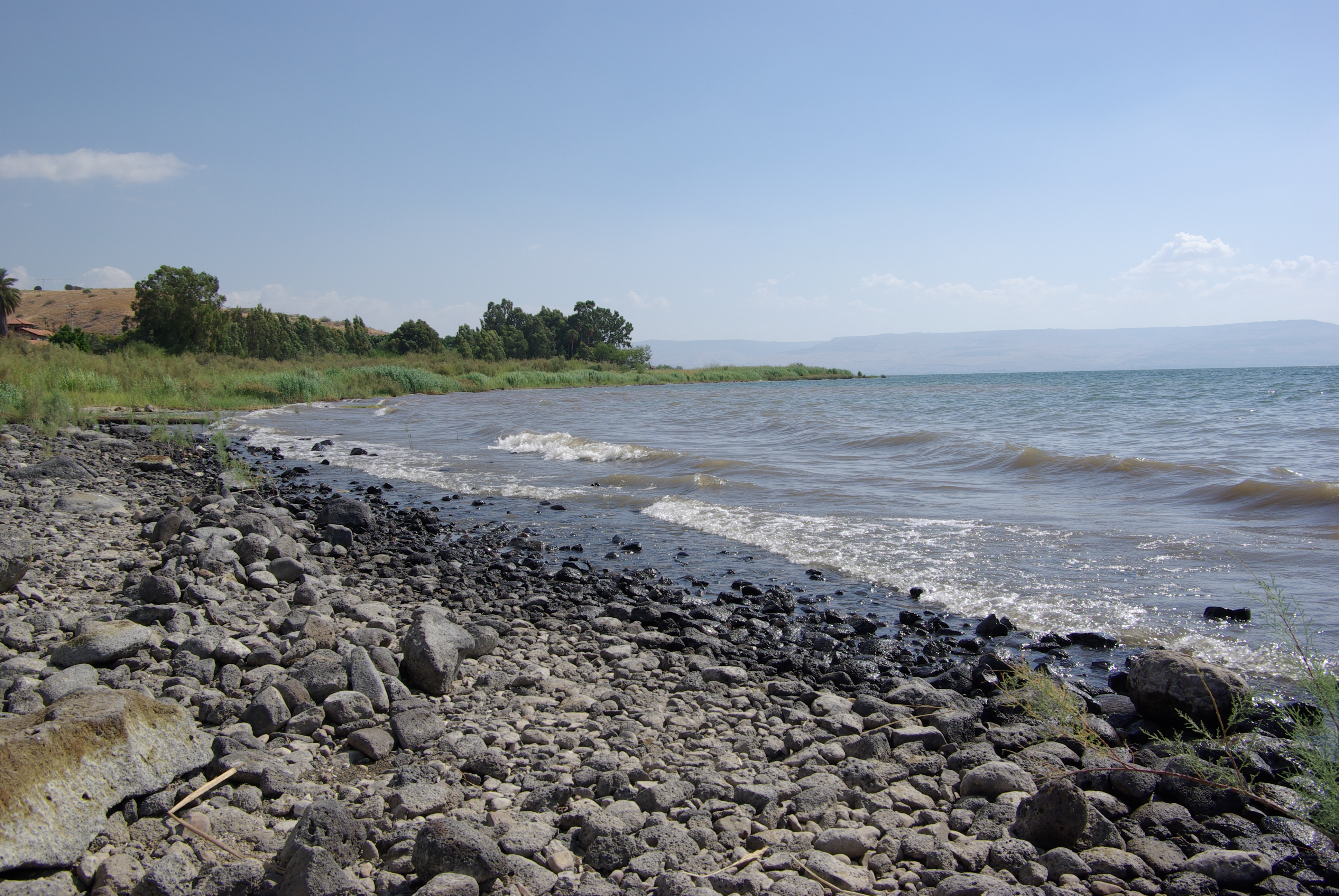
I read about the discovery of World War I shells found in the Sea of Galilee, likely dumped by fleeing Turkish ships lightening their load to escape the pursuit of the British. There is a bigger story, though, than a 100-year-old wartime artifact being found in an unlikely place. The shell was uncovered through an unprecedented drought that has left exposed an island in the middle of that sea. Some religious Jews think it presages their long-awaited Messiah, their conviction based on their view of Psalm 66:6, Zechariah 14:8, and Isaiah 15:9. Adam Eliyahu Berkowitz, a veteran of the Israel Defense Forces and freelance writer, cites various rabbis who say that the present weather anomaly and its consequences are prophesied signs. Yosef Berger, the rabbi of David’s tomb in Jerusalem, says, “Just like in prayer, which is a dialogue with God, our thoughts are taken into account in Heaven, and can bring the desired prophecy into existence… By people believing that the Galilee drying up is part of the prophecy, it will help the Messiah come” (Breaking Israel News).

I appreciate any people who believe in the truth of the Messiah, and I see any such looking and longing of a transparent sincerity. However, these well-meaning Jews are 2000 years too late. The kind of Messiah they seek is not clearly stated, but their forefathers rejected the kind of Messiah Jesus Christ was and is. The Old Testament prophesies of His birth, ancestry, forerunner, earthly ministry, opposition, crucifixion, resurrection, and church were fulfilled in the time of Jesus. The New Testament often looks back at prophesies and show how Jesus fulfilled them.

The Jews of Jesus day stopped their ears and shut their eyes to the signs and miracles He did, repeatedly proving to the open-minded observer that what such revered men as Moses, David, Isaiah, Micah, Zechariah, Malachi, and others wrote concerning the Messiah was fulfilled by the nature, birth, life, death, burial, and resurrection of Jesus of Nazareth (cf. Luke 24:44-47; John 20:30-31). Their lack of faith cost them at Jerusalem in A.D. 70. It will cost them eternally, if they do not believe in the Christ who has already come.

The drought-stricken waters of Galilee are a sign of a lack of sufficient rain, but nothing more. Those still awaiting the One who already came should instead learn of Him and follow Him. Because His second coming will be without signs (cf. Mat. 24:36ff). May we all be ready for that day!

sea_of_galilee_bw_21


Some Things That Will Not Be At The Judgment

Neal Pollard

What will the throne of judgment look like? What will Christ, the Judge, look like? Will the Judgment be experienced through the sense of sight? What will be different there from this life? What will be changed?

The Bible speaks often about the moment of reckoning, when the righteous and wicked dead (John 5:28-29) and all living (Mat. 25:31-33) will stand before the King of kings to give account for the conduct of the body (2 Cor. 5:10). As we attempt to paint a mental picture of the Judgment Day, some things shouldn’t be envisioned because they won’t be there.

  • There will not be an unbeliever at the Judgment (Phil. 2:10-11). With an introduction only heaven could produce, John says Jesus will come with clouds, every eye shall see Him, and all nations of the earth will wail because of Him (Rev. 1:7). No person will be able to continue in unbelief. Faith will be permanently past tense. Evidence of God’s power and the power of His promises will be beyond the realm of the hopes for and in the arena of the finally seen (Heb. 11:1). Jokes scoffing the Divine will not slip off the sin-darkened hearts of the defiant. No skeptics, no agnostics, no doubters, and no infidels will be at the Judgment.
  • There will not be a material possession at the Judgment (2 Pet. 3:10). The inhabitants of this planet seem to be more engrossed with things daily. The Lord calls things “corruptible” (1 Pet. 1:18) and inferior treasure (Mat. 6:19). People seek material things to provide them a life of joy, peace, and comfort. We will give an account for our stewardship of material things. We will answer “yes” or “no” when asked if we robbed God (Mal. 3:8). But no person will bring his possessions or amassed wealth into the venerable court of justice.
  • There will not be a mistrial at the Judgment (Acts 17:31). Each of us will appear before the Judgment seat of Christ (Rom. 14:10). We will each “stand trial” (2 Cor. 5:10). Christ, the “true” (John 8:16), universal (Acts 10:42), righteous (Acts 17:31), God-ordained (Rom. 2:16) and ready (1 Pet. 4:5) judge will sit to hear the case of every mentally accountable person to have lived. Jesus will judge without bias (Eph. 6:9) by relying on heaven’s unabridged record of the individual’s life (Rev. 20:12). He will judge according to the perfect law of liberty (Jas. 1:25). No one will be able to legitimately cry “foul.” When the law book is closed and the last judgment is handed down, no one will be able to find a loophole or mistake in the proceedings that will allow them to go free or be retried. There will not be any miscues or oversights.
  • There will be no secrets at the Judgment (Rom. 2:16). God now knows every man’s secret sins (Psa. 90:8) and He shall bring such things to the Judgment (Ecc. 12:14). God sees every secret place (Jer. 23:23). He reveals the deepest, darkest secrets (Dan. 2:22). At the Judgment, such things will judged (Rom. 2:16). “…All things are open and laid bare to the eyes of Him with whom we have to do” (Heb. 4:13b).
  • There will be no baptistery at the Judgment. Most people will go into eternity not having been washed, sanctified and justified (cf. 1 Cor. 6:11). As Christ divides the sheep from the goats, it will matter whether a person has fully obeyed the gospel (cf. 1 Pet. 3:21; Rom. 6:3-4; Col. 2:12; Acts 2:38; Gal. 3:27; Acts 22:16; Mark 16:16). Perhaps people will cry out for another person to baptize them. The angst of many who bargained for a later date to be baptized will be realized when they stand before Christ without His blood covering their sins.
  • There will be no invitation song at the Judgment. When the trumpet sounds, no sermon will be preached to convince the lost to obey the gospel. There’ll be no pleading with the lukewarm and unfaithful Christians. No song leader will stand before that numberless crowd to appeal to the lost and erring. Legions of hearts will be melted by the power of God. Fearful realization will fill those unready to meet Christ. Perhaps many will cry out for another chance, but the last opportunity will have passed.

There will be a righteous Judge who will give a fair trial to every individual. All will give an account. An eternal sentence will be handed down based upon one’s life and acceptance or rejection of Christ’s sacrifice. There will be no parole, stay of execution, or pardon for the lost. We all will need abundant grace to be able to stand at His right hand side, but Scripture tells us how that is extended. We must prepare for that in this life (Heb. 9:27). OLYMPUS DIGITAL CAMERA

Ancient, But Temporary

Neal Pollard

The oldest buildings in the world are found in Turkey, France, Italy, Scotland, Malta, England, Ireland, and Iran. All of them date back to at least 3,000 B.C.  They include tombs, temples, settlements, houses, sanctuaries, and plazas. They are historical treasures, revealing the earliest dental procedures, burial habits, religious ceremonies of pagans, societies and more. Some are remarkably preserved for their age, and many are visited by tourists after having been meticulously studied by archaeologists and other students of history.  It fires the imagination to think about what life was like for people who lived contemporary to Noah’s sons, Abraham, and perhaps Job. The fact that any part of these edifices still stand is incredible. When you consider that the oldest buildings intact in the United States are Puebloan houses and villages located in New Mexico, Arizona, Colorado, and Utah, dating only as far back as between 750-1000 A.D., the existence of the aforementioned structures in Europe and Asia is all the more impressive (information via taospueblo.com, wikipedia, et al).

History and archaeology buffs revel at the thought of visiting such sites, and who could fail to marvel at such testaments to durability?  We can hardly fathom buildings that have stood for several thousands of years.  However, they are all comparatively temporary.

Peter writes, “But the day of the Lord will come like a thief, in which the heavens will pass away with a roar and the elements will be destroyed with intense heat, and the earth and its works will be burned up. Since all these things are to be destroyed in this way, what sort of people ought you to be in holy conduct and godliness, looking for and hastening the coming of the day of God, because of which the heavens will destroyed by burning, and the elements will melt with intense heat!” (2 Pet. 3:10-12).  When Christ comes again, all the works of earth will be destroyed with fire. Such a promise is meant to motivate us to live in view of the unseen and the eternal.  Specifically, Peter says such knowledge such cause us to be holy and godly, watchful and anticipating.  Ancient buildings can be seen with the eyes of flesh.  Future destruction must be viewed through eyes of faith.  May we remember, as we live each day and build our lives, that nothing in this life is worth surrendering eternal life.

GET READY!

Neal Pollard

As one who can count on one hand the number of snow events experienced in childhood, I have lived the last decade in Colorado where snow is more ordinary than oddity. Even so, the meteorological chatter is much higher in advance of an anticipated big storm this weekend. Because almost all my adult life has been spent in either Virginia or Colorado, we have heard many warnings.  In both places, it has seemed as though the weather experts were akin the boy crying wolf.  At the same time, in both places, we have had some huge surprises measured in feet rather than inches.

Perhaps because of this, locals in both places have at times been jaded and skeptical at these fearsome forecasts.  Their facial expressions say, “I’ll believe it when I see it.”  Why not? I remember a time in Virginia when the forecast was a foot of snow, all metro county schools closed in anticipation, and the next pre-dawn morning revealed starry skies without even a cloud.  Man, even with sophisticated radar and computer models, are at the mercy of the complexities of weather put in motion millennia ago by an all-powerful Creator.

We should not make the mistake of thinking God is like man (Ps. 50:21; Ezek. 28:2).  When He speaks of things to come, it is not mere prognostication or educated guessing.  He declares the end from the beginning (Isa. 46:10).  Thus, whatever He says is to come must not be dismissed.  It is a promise, as certain as His perfect character.

Throughout the New Testament, God is telling us to get ready for a day of judgment.  When writers say, “The Son of Man is going to come” (Mat. 16:27), “an hour is coming” (John 5:28-29), “all the nations will be gathered before Him” (Mat. 25:32), and the like, we should not expect a change in that forecast.  Just because it has not happened yet does not mean it will not come.  Peter warned of those who would say, “Where is the promise of His coming? For ever since the fathers fell asleep, all continues just as it was from the beginning of creation” (2 Pet. 3:4).  Nonetheless, Scripture says, “Get ready!” We don’t know when, but we should not wonder if.

Evel Knievel At Snake River Canyon

Neal Pollard

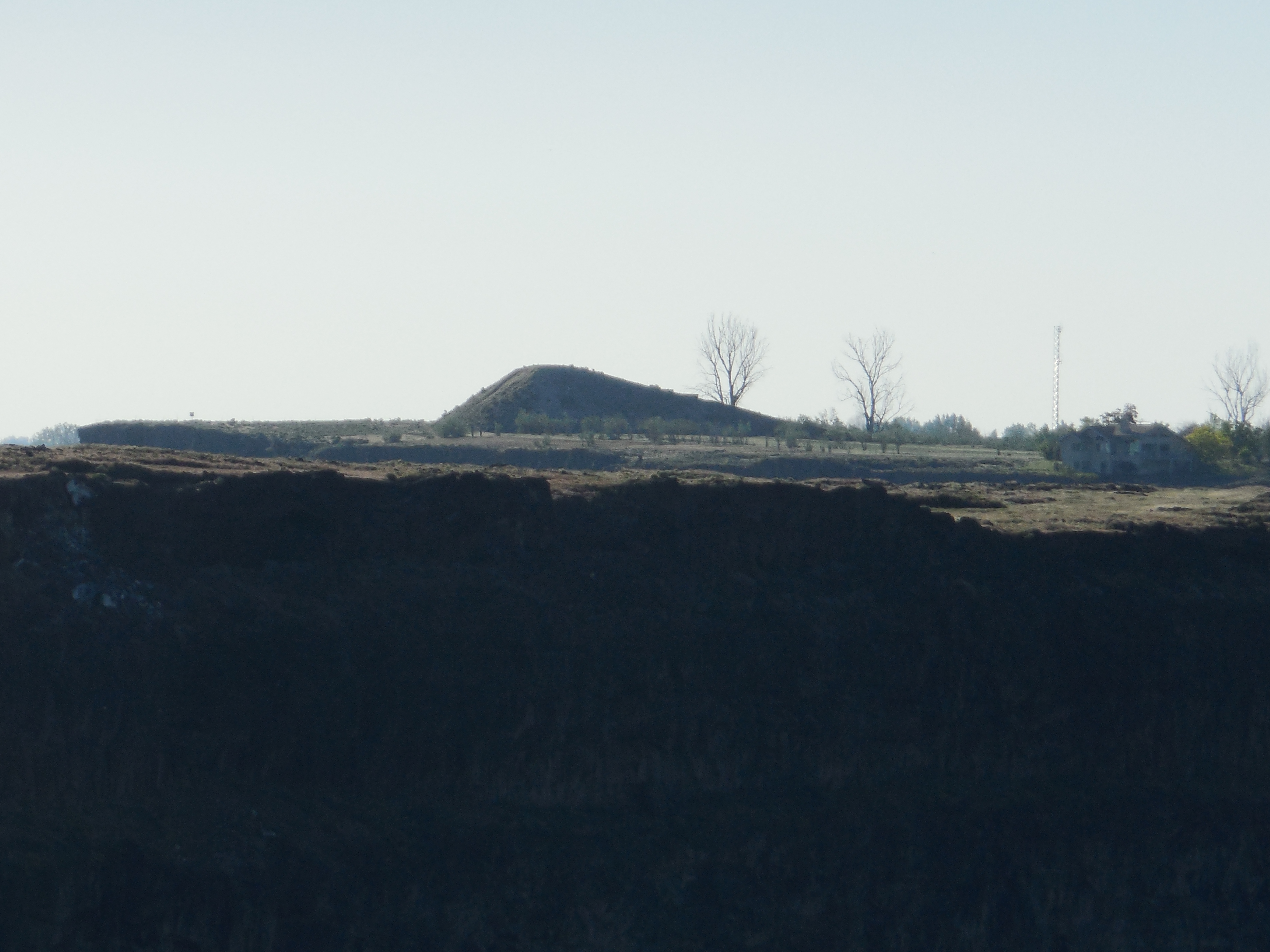
Today I took a picture of a famous pile of dirt.  It was the “launch site” for an infamous jump made by an infamous figure of the ’60s, ’70’s, and ’80s.  On September 8, 1974, almost 40 years ago, Evel Knievel used a rocket-powered cycle known as the Skycycle X-2 to jump the Snake River Canyon in Twin Falls, Idaho.  Having now seen this foreboding span between the north and south rim with my own two eyes, I can only wonder why he would have even attempted it. If you aren’t familiar with how it turned out, it was a dud.  His chute deployed at the beginning of the jump and he fell to the canyon floor narrowly missing the river in what would have been a certain drowning due to a malfunctioning harness. Tim Woodward, a now retired columnist for Boise’s Idaho Statesman newspaper, was there covering the event.  He describes the atmosphere, saying, “It was, in the terminology of the day, a ‘happening.’ Spectators and groupies came by the thousands from all over the country, bringing drugs, alcohol and nudity in profusion. It was Woodstock without the music. Or the peace and love” (Woodward, Idaho Statesman, 12/1/07). A local member of the church says that the event cost the city untold money, due to vandalism, theft, and other destructive acts.  He also says the common belief is that the daredevil lost his nerve and panicked, triggering the parachute himself.  Whether that was the case or not, it was a much-anticipated event at which many raucous spectators gathered only to be disappointed.

As I heard and read these details, it made me think of an event that will be far different from this one.  It will involve a figure who has been the center of far greater controversy than any other—one who some love but many more hate.  It will involve a promised event infinitely more spectacular than anything man has devised.  It will include the largest crowd ever assembled to witness any other event, and it will include raucous rabble-rousers as well as righteous religious people.  But it will be neither a dud nor a flop.  Its magnificence defies adequate words of description.  The second coming of Christ will be no mere “publicity stunt.” It will be at the center of the ending of time and the ushering in of eternity.  It will draw every person from every nation for all time.  It will bring everyone to our knees.  God has foretold us of this day and we cannot afford to take it lightly (cf. John 5:28-29; 2 Pe. 3:10).  We must be prepared for it (Mat. 24:44).  We have never seen anything like it, but we can be ready for it!

DSCN8647

And The Rain Fell

Neal Pollard

You’re building your house for life, not a day
By all that you do and everything you say
But more important than roof or even the walls
Is your foundation, for there’s coming floods and squalls.

Today the sky may be sunny and fair
And life may seem easy with no burden or care
But the clouds can gather with little or no warning
And strike with fury late at night or mid-morning.

If you’re building on sand, storms will still surely bombard
Whatever your strengths, deluges come steady and hard
The foundation will matter, it determines the outcome
The variables of your life surely influence the sum.

Great men of earth, building on other men’s acclaim
Must face life’s storms and its floods all the same
The beautiful people, who on this factor construct
Cannot escape how the gale forces strike and deduct

The theories and teachings of man’s own device
May seem like safe bedrock and sound very nice
But however solid they look or how long they may stand
At the end they’ll be seen for what they are, shifting sand.

You’re building your house for life, not just now
Take heed what you’re building on, why, where and how
For there’s coming a storm for which all must prepare
It will be all or nothing, no rebuild or repair.

But there is a material, failsafe and unbending
Proven by torrents, it’s trustworthiness is unending
That foundation is Christ, the only One of all
Shown to be eternally safe when the rain starts to fall.

(Matthew 7:24-27)

An Honest Obituary

Neal Pollard

It was the early 1990s, and I, as a green, inexperienced preacher, was asked to do a funeral for a man from the community with no real religious roots.  It was my first funeral for a non-Christian and I went, armed with the knowledge gained from Wendell Winkler’s Preacher And His Work class, prepared to preach to the living neither giving false hope nor crushing the hearts of people I was trying to reach.  I remember standing nervously in the back of this old denominational church building out in the country.  A group of men gathered there, who I later learned were the pall bearers, were talking caustically about someone.  One said he had made a pass at his wife. Another said he had stolen two of his cows the previous week.  He was a good-for-nothing snake in the grass. Honestly, I was now listening very closely.  I was shocked when one said, “If he hadn’t died, I might have killed him.”  They were talking about the deceased, the man whose funeral I was about to preach.  Needless to say, I felt no pressure to “preach him into heaven.”  Five minutes before the funeral, I wrestled with whether or not my words were too plain or off-putting. Five minutes after it, one of those pallbearers told me, “Preacher, you gave him a better funeral than he deserved.”

If you are prone to read obituaries or as you reflect on every funeral you have attended, everyone speaks of every dead person as if they are the most wonderful, saintly individual who has ever lived.  Some, considering the circumstances of the deceased’s lifestyle, brashly speak of them being in heaven even if the one never made mention of or made preparation to go there.  It is a significantly disgusting thing to hear people blithely pronouncing people saved in death who were disobedient to God’s saving plan in life.

A few months ago, the children of Marianne Theresa Johnson-Reddick defied this common trend upon her death. They literally celebrated her passing by publishing a “scathing” obituary in their local Nevada newspaper. The obituary, published in September, 2013, begins, “”On behalf of her children who she abrasively exposed to her evil and violent life, we celebrate her passing from this earth and hope she lives in the after-life reliving each gesture of violence, cruelty and shame that she delivered on her children” (via Newsmax.com).  The article gives details of her horrific abuse of the six children, which abuse she regularly inflicted before she lost custody of them to a Nevada Children’s Home.   While they gave no speculation about her eternal destiny, neither did they sugar-coat or white-wash her life.

Who knows what will be said about us when we die?  However naughty or nice it is matters little next to what our Lord knows and sees. He will “judge the living and the dead at His appearing and His kingdom” (2 Tim. 4:1).  He will be the “righteous Judge” (2 Tim. 4:8; Acts 17:31).  He will tell it like it is concerning each of us as we are gathered with all the nations (Mat. 25:31ff).  Heaven keeps, if you will, a perfect, accurate obituary on file for each of us when we die.  The Bible calls it “the Book of Life” and the dead will be “judged according to their works, by the things which [are] written in the books” (Rev. 20:12b).  Let us live so we are not ashamed for that record to be revealed.

Unprepared For The Conditions

Neal Pollard

As one who was born in Mississippi and raised in south Georgia, I am very proud of my southern roots.  Frankly, I could not hide them even if I was inclined.  It is a heritage that includes the Bible Belt, sweet tea, BBQ, lemon icebox pie, peanut butter, gnats, humidity, pecan trees, Georgia mud cats, the Georgia Bulldogs, and the Atlanta Braves (including the bad years).  But, one thing we rarely needed to be ready for was treating the roads for snow and ice.  Therefore, even a light or moderate amount of snow means impassable roads and gridlock in traffic.  The historic snowstorm that has hit the deep south has come with power outages, massive traffic jams, stranded motorists, numerous wrecks, and seven states of emergency.  Typically, southern cities do not have chemicals for road treatment, a bevy of snow plows, or organized plans because these events are so rare.


I am not criticizing these locales and governments because of this lack of preparation.  Of course, I was not trying to get home from work or school in those conditions. If you were, you likely feel differently.


Yet, there is a general state of unpreparedness for something that is 100% likely to occur at some point in the future.  Every single person could potentially make completely ready for it.  It has been forecast with the greatest of certainty.  It has been described in clear enough detail.  The preparation is outlined in clear and simple detail.  There are even a number of people who have been employed and enlisted to aid in warning and educating the general public.  Those tasked with being prepared and preparing others will be held accountable for whether or not they were involved in enacting that plan.  Every single person who is unprepared will nonetheless be accountable and liable for the consequences of their not being ready (Mat. 25:1-13).  There is absolutely no reason why anyone should be unprepared for the Judgment Day.  May each of us do our part to help prepare as many as possible for it!