A GLIMPSE OF HOW JESUS DID MINISTRY (Luke 5:12-26)

NOTE: Brent had surgery today to have a tracheotomy put in place. He’s still very critical and today marks one month in the Trauma ICU at Erlanger’s Hospital in Chattanooga, TN. People from all over have been praying. Thank you! Please continue in prayer for him. I’m filling in for Carl today, who is filling in for Brent tomorrow. Here’s today’s “Preachers Pollard” blog post…

Thursday’s Column: Brent’s Biblical Bytes

Neal Pollard

I taught the course, The Preacher And His Work, at the Bear Valley Bible Institute for about a decade. At one point during those years, I reworked the curriculum and my approach was that God had one son, and He was a preacher (a famous quote from a 19th-Century Spurgeon sermon). Every one of us who serve formally as gospel preachers have the perfect model of a preacher in Jesus. But, thinking more broadly about the service (ministry) we have as Christians, He serves as an example for all of us. In this paragraph, we have the perfect microcosm of Jesus’ overall approach to service that can help us as we try to serve Him every day.

JESUS SERVED WITH HUMBLE WILLINGNESS (12-15). Jesus has just picked a small group of men to mentor (1-11), and what better way to start their training than by showing them how to respond to those in need? Of course, Jesus’ mission was broader than theirs or ours. He was proving Himself to be the Son of God by “miracles and wonders and signs which God performed through” Him (Acts 2:22). But the “how” of His approach is worthy of our imitation. A man in deplorable condition begs for His help, if He is willing, and Jesus says, “I am willing” (13). Then, He helps Him. But, Jesus is not wanting fame or acknowledgement. He even asks the healed leper not to tell anyone except the priest as he went and obeyed God’s commandment by making an offering for the cleansing according to the Law of Moses (14). Despite Jesus’ desire that this remain a secret, news inevitably spread! Jesus shows us a heart willing to help, but not wanting the credit. What an example! 

JESUS SUPPLEMENTED HIS SERVICE WITH SOLITUDE AND PRAYER (16). This is a remarkable, almost parenthetical statement. Between the leper and the paralytic, as well as others whose stories aren’t specifically shared by Luke, Jesus needed to “often slip away to the wilderness and pray” (16). This phrase is pregnant with meaning. He would go “often,” not occasionally. The perfect Son of God often needed the spiritual recharge He got from communion with God. How much more is that true of us? The word translated “slip away” conveys the idea of retreat or withdrawal, and implies going to a place and spending some time there (BDAG 1043). I wonder how someone doing such prolific and prominent work could manage to slip away, but it must have meant so much to Jesus that He insured that it happened. The more actively I serve Jesus, the more crucial time spent alone with God becomes! I do not want to be so focused on spiritual service that I neglect my own spiritual strength! 

JESUS STRENGTHENED HIS MESSAGE WITH SERVICE (17-26). The bulk of this parable is devoted to the healing of the paralytic, who is aided by the service of his friends. We’re familiar with this story, as friends filled with faith, lower the paralyzed man through a roof for Jesus to heal him. We may forget that the occasion that drew such a crowd was Jesus’ teaching people who had come from near and far, including teachers of the law. The service-opportunity, Jesus being asked to heal the paralytic, was in the middle of the teaching opportunity. Jesus amplified the power and truth of His message by His humble willingness to help. Jesus proves the authority of His work and message, as well as His power to forgive, by healing him. 

Notice how the people reacted (26). They were struck with astonishment. They glorified God. They were filled with fear. They left that day with an unforgettable impression. We understand that Jesus’ mission was unique. His purpose was greater than ours, proving Himself to be God in the flesh, endowed with miraculous powers, and doing all of it with perfect sinlessness. But, His mentality and His ethic is completely reproducible. God needs you and me actively serving Him before a lost and dying world. We have the power to help everyone with their greatest need, but we can support the message just as Jesus did. We can prove God’s love by our willing service. Let’s all do ministry like Jesus did, and we will impact the world just as He did.  
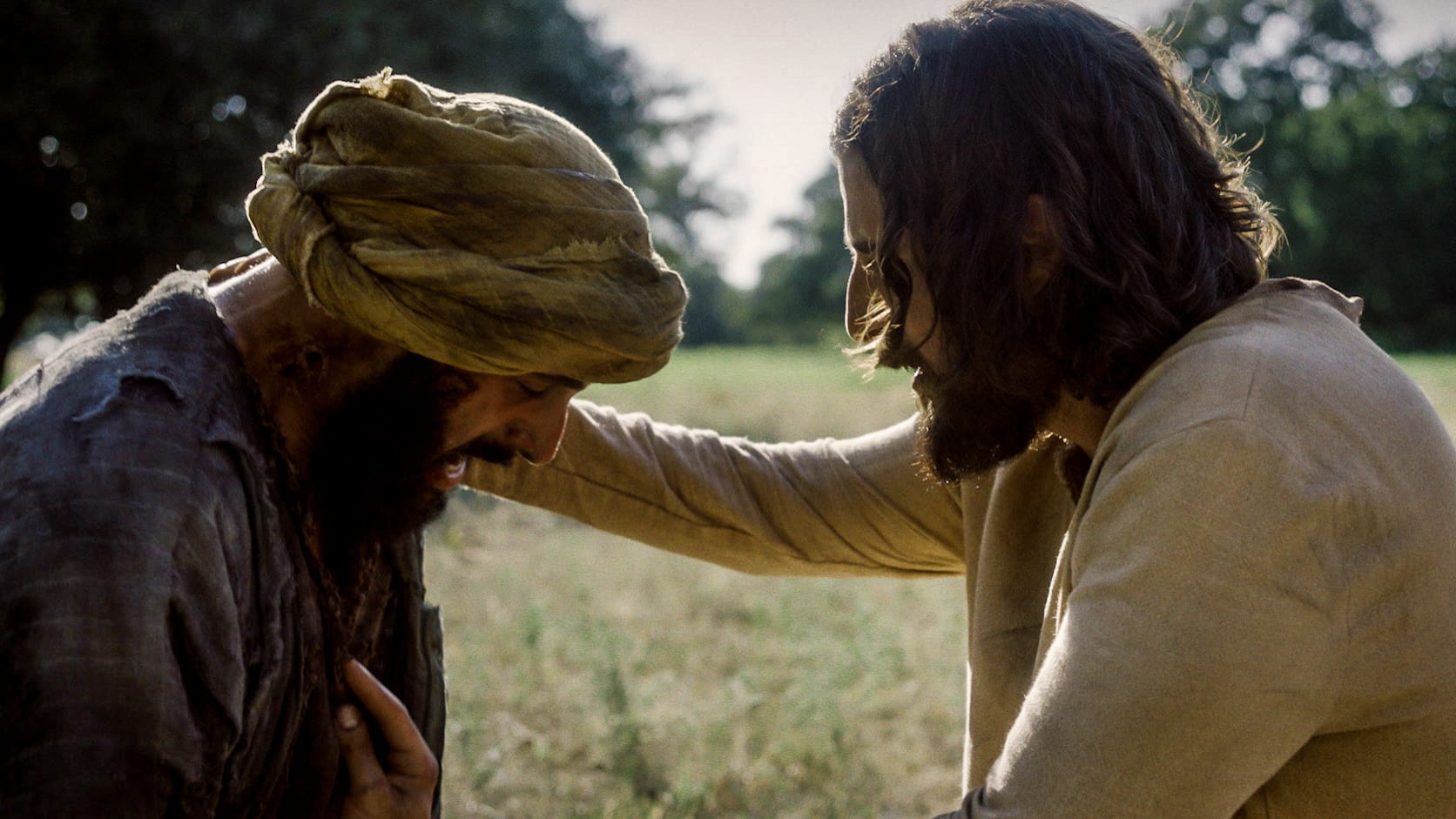
Have you watched “The Chosen”? Very touching series!

Latest Episode Of “Light Of The World” Premieres Sunday, June 27, 2021, At 10:45 AM

Promo For Special Episode Of “Light Of The World”

Interview with Dr. Jerry Martin

Where Is He?

Wednesday’s Column: Third’s Words

Gary Pollard

It’s tempting to run with Jesus’ words in Matthew 24, “But of that day and hour no man knows…only the father.” We might think we’re all set or that he won’t come in our lifetime. I Thessalonians 5.1-3 reinforces the surprise nature of his return. II Peter 3 says the same. For sure, we won’t know when, but it’s good to be reminded that we aren’t promised tomorrow. 

The Patriarchal Age lasted roughly 2500 years, the Law was in effect for around 1500 years, and we’ve been in the last age for nearly 2000 years. No one can point to a day, but there’s nothing wrong with living as if He’s coming back in our lifetime. 

“Since all of these things will be destroyed, what kind of people should you be in lives of holiness and godliness, waiting for and hurrying God’s return?” (II Pet. 3.11). 

“Now, brothers and sisters, about times and dates we do not need to write to you, for you know very well that the day of the Lord will come like a thief in the night. While people are saying, ‘Peace and safety,’ destruction will come on them suddenly, as labor pains on a pregnant woman, and they will not escape” (I Thess. 5.1-3). 

In Prison On Purpose

Tuesday’s Column: Dale Mail

Dale Pollard

In the 14th century two brothers fought for the right to rule over what is now Belgium. The older brother’s name was Raynald, but he was commonly called “Crassus” which in Latin meant “fat” because he was horribly obese. After a heated battle, Raynald’s younger brother, Edward, won and assumed the role of Duke over his lands. Instead of killing Crassus, Edward had a room in his castle built around him with only one door. The door was not locked, the windows were not barred, and Edward promised that Crassus could regain his land and his title any time he wanted to. All he had to do was leave the room. The obstacle was not the door or the windows, but Crassus himself. He was so overweight that even though the door was normal sized he couldn’t fit through it! All he needed to do was diet down to a smaller size then walk out a free man however Edward kept sending all of Crassus’ favorite foods to his room and in the end Crassus’ appetite won over his desire to be free.

In Romans 6 Paul is addressing a false belief that sinful living is not something to avoid because it brings more of God’s grace into our lives. In verse 13 we read, “do not present your members to sin as instruments for unrighteousness, but present yourselves to God as those who have been brought from death to life.” Those “members” that Paul mentions here are those physical parts of us that need careful monitoring. The ears, nose, feet, hands, eyes, etc., can either be used for sin or for serving Him.

This is illustrated in the life of David. When he was young God used his hands to slay the giant for His sake. Later in David’s life sin would use his eyes for wickedness when he pursued Bathsheeba. Freedom in Christ is ours if we want it, but we need to tame our members and use our instruments for His purpose and not our own.

Someone once put it this way, “If grace doesn’t change your life, it won’t save your soul.” In other words, if the gift of Christ doesn’t change how we walk then we can’t expect grace to cover any sin we commit against Him. We have access to many blessings of a spiritual and physical nature but only if we are among the faithful. If we’re not, we are trapped in a prison of our own making.

Brotherly Kindness

Such an excellent blog. Subscribe to “Life And Favor” and get these delivered to your inbox each week!

Kathy Pollard's avatarLife and Favor (Job 10:12)

By Janelle Pollard

One of my favorite things about my husband is how much he loves his brothers, how close they have always been (even when living states apart), and how much they value each other. In today’s day and age, it’s not the most common thing, sadly. Dale and his brothers have always been very close, and I love how much they mean to each other. I hope and pray that if we have a few boys one day, they will share that same kind of bond. For a close-knit family like his, loving your own family that much doesn’t take much effort.

Recently, I studied the topic of “brotherly kindness” for a ladies’ Bible class. I began to realize that I had never actually spent much time on this topic on my own time. I already knew that as Christians, it is important to love our brothers and…

View original post 976 more words

“Charakter”

Monday’s Column: Neal At The Cross

Safari 2017

Neal Pollard

Character is defined as the mental and moral qualities distinctive to an individual and involves a person’s good reputation. The Greek word “charakter” first referred to the die used in minting coins, then came to include the sense of an image, stamp, seal, or copy. The Greeks used the word to speak of the typical features of an individual or nation, from which came the idea of “moral character” and then “the “distinctiveness” of a language, the “style” of a writer, or a “type” of philosophy (Kittel and Bromiley, TDNT, 1308). Arndt tells us the word means something produced as a representation or reproduction, and that human beings are formed by God as a representation of His own identity (1078).

The word is only found in the Bible in Hebrews 1:3. The epistle’s writer is describing Jesus, saying, “He is the radiance of His glory and the exact representation of His nature, and upholds all things by the word of His power.” It is an absolutely amazing truth that we are made in the image of God (Gen. 1:27), but the writer of Hebrews is saying something even more powerful about Jesus in Hebrews 1:3. He was not created by God as a reflection of God’s identity. The writer uses this specific word in Hebrews as part of His explanation that the Son is God! The NASB and NIV translate χαρακτήρ (CHARAKTER) as “exact representation.” The ESV has “exact imprint,” the NKJV has “express image,” the NLT says “expresses the very character of God,” and the ASV puts “the very image of His substance.” 

The author of this epistle leads out in his overall theme that Jesus is better by establishing the most important reason why. He is God. The writer uses Old Testament Scripture to prove it, citing Psalm 45 and Isaiah 61 to call Him God (Heb. 1:8-9). He then quotes Psalm 102:25 to say of Jesus, “You, Lord, in the beginning laid the foundation of the earth….” Then, in Hebrews 1:13, he quotes Psalm 110:1, which begins, “The LORD (Yahweh) said to my Lord (Adonai)….”

Let’s not miss the initial point of the letter driven home by the unknown writer. With a multitude of Old Testament passages, he proves this point about the essential character of Jesus Christ. He is God. He is as much God as Father and Holy Spirit. He is as powerful, all-knowing, omnipresent, perfect, sovereign, transcendent, self-existent, eternal–He is as Divine as Deity can be. 

That makes His willingness to be made a little while lower than the angels to taste death for everyone (Heb. 2:9) and to call us His brethren (2:11ff) all the more incredible. God lowered Himself not only to save us but to make us part of His family. We could spend the rest of the day meditating on that profound truth and still not fully grasp it. 

Here’s the question. God made us, became  one of us, died for us, and then opened the door to us to be His brother. What does that say about His character? As we try to fathom and appreciate that, it should give rise to another question? How should that affect  our character?

My Mouth’s Motivation

Thursday’s Column: Captain’s Blog

Carl Pollard

In Psalm 19:14 David says, “may the words of my mouth be acceptable in your sight.” In the previous verses of this chapter David writes about the perfect law of the Lord. Moved by the knowledge that the author of scripture is God almighty, David hopes that the words he speaks would be impacted by his knowledge of the Law. This is something we must long for as Christians. We know who the author of the Bible is, we understand the way we are called to live and speak, and that should influence our words. The Bible is very clear on how we are to speak.

Our words are a direct reflection of our faith. James 1:26, “If anyone thinks he is religious and does not bridle his tongue but deceives his heart, this person’s religion is worthless.” Do we call ourselves Christians but fail to control our words? James would say we are deceiving ourselves. Our speech is directly impacted by our religion. Our faith should change our speech and make it stand out from the world.

The Bible also gives us a very sobering warning in Matthew 12:36. Jesus says, “I tell you, on the day of judgment people will give account for every careless word they speak, 37 for by your words you will be justified, and by your words you will be condemned.” On that day will we find justification or condemnation from the words we have spoken? We should use this knowledge to help guard our speech.

Scripture also tells us in Luke 6:45 that, “The good person out of the good treasure of his heart produces good, and the evil person out of his evil treasure produces evil, for out of the abundance of the heart his mouth speaks.” We can know the condition of our hearts by what is contained in our words.

Our tongue has a way of getting us in trouble. Ever heard the saying, “keep your words soft and sweet because you never know when you may have to eat them”?We can do a lot of damage if we aren’t careful. On every car there’s this handy little device called a fuel filter. A fuel filter is in between your car’s engine and the gas tank. Its job is to keep all the sediment and dirt that accumulates in the gas tank over time from getting to the engine. Basically it keeps impurities from destroying your engine. Our words need a fuel filter between the mind and the mouth. Think about what we are about to say. Is it impure or harmful in any way? Then don’t say it.

President Calvin Coolidge was famously known as a man of few words. His nickname was “Silent Cal.” His wife, Grace Goodhue Coolidge, told the story of a young woman who sat next to her husband at a dinner party. She told Coolidge she had a bet with a friend that she could get at least three words of conversation from him. Without looking at her he quietly retorted, “You lose.” Coolidge understood very well the value of using only carefully considered words—and those being few in number. We filter our words and carefully choose them because like David, we understand who we belong to when we are Christians. God now owns our words and we use them to glorify Him in everything.

Psalm 19 is a beautiful tribute to the perfection of Scripture. Like David, each one of us should strive to let God’s word motivate us to live more like Christ in every way.

What Was Their Secret?

Gary Pollard

What got early Christians through hard times? What helped them grow? How were they able to thrive when their jobs, families, and personal safety were threatened?

They focused on hope. Biblical hope is confident expectation. God promised us a perfect life after this sometimes stinky one. The early church’s hope for death’s freedom gave courage and comfort (I Peter 1.3). Their hope for a perfect life had the same effect (II Peter 3.13; Romans 8.18ff).

They focused on grace. It keeps us from falling out with God, and it helps keep our motivation high (Romans 7.15ff; I John 1.7)!

They focused on God’s message to humans (I Peter 2.2). We have to view reality through God’s eyes. This isn’t possible without deep, meaningful, and unbiased study! The Bible is a collection of rich, fascinating insights into God’s nature and our future! It’s very helpful to use a version that’s easy to read and modern.

They focused on each other. The early church spent a ton of time together (special circumstance, but still cool: Acts 2.44). Their relationship provided encouragement and strength! Managing conflict healthily is also crucial for the church’s health (Matthew 18).

They focused on selflessness. We aren’t animals, so we should put the needs of others above our own (Romans 14; I Corinthians 8; All of Philippians). A selfless family can get through anything!

There’s No Place Like Home!

Tuesday Column: Dale Mail

Dale Pollard

There is so much debate out there as to what Heaven will actually be like. Some make the argument that we just can’t know for sure. We know that there will be no tears in Heaven, so since that is the case there will definitely be blackened catfish there. Because in a place where there is no blackened catfish present, I would cry. Now with that out of the way, let’s look at three quick promises about Heaven.
First there is the promise of “fellowship” In Revelation 21:3 it says, “He will dwell among us…” Not just any fellowship, but fellowship with Jesus Christ. The second promise is that of “Relief.” In the very next verse it says, “God shall wipe away every tear from their eyes; there shall be no more death, nor sorrow, nor crying. There shall be no more pain, for the former things have passed away.” How many of us can’t wait for that day? Now the third promise is one that is pulled from a verse that many people do not like to read. In Revelation 21:8 we see that there is a promise of “seclusion” You see, Heaven is going to be so great because of who will not be there. After we get a glimpse of what is promised to those who love Him (James 1:12), we see what is promised to those that don’t. Yet even here we see a blessing. Heaven is going to be place that is absent of, “…the cowardly, unbelieving, abominable, murderers, sexually immoral, sorcerers, idolaters, and all liars…” Heaven is going to be a place filled with family. The faithful Church family. I’m going to Heaven! It’s a choice. It’s a choice to live right and follow Christ no matter what. You have the ability to say it confidently and you should never have to wonder if you’re going to Heaven. It’s a promise! Take hold of that promise, because it’s the only thing that matters.

We Are Not Doing Right” (2 Kings 7)

Monday Column: Neal At The Cross

pollard

Neal Pollard 

There was a famine in Samaria and everyone was desperate. The need for food was more pressing than the danger they faced in looking for it. Elisha predicted the end of the famine but Jehoram’s right hand man refused to believe it could happen so quickly. The prophet tells him he’d see it happen but that he would not eat of it (2).

Four lepers decided to throw themselves on the mercy of the Arameans, but God caused the besieging army to hear the sound of enemy armies. They imagine the worst and leave their camp in pursuit. So, when the lepers arrived at the camp, it was abandoned. They found food and riches beyond their wildest imagination. They start to hoard and gorge themselves, then had second thoughts. They say to each other, “We are not doing right. This day is a day of good news, but we are keeping silent; if we wait until morning light, punishment will overtake us. Now therefore come, let us go and tell the king’s household” (9). Several things stand out here.

THESE MEN HAD GOOD NEWS.

IT WAS WRONG FOR THEM TO KEEP SILENT ABOUT IT.

THEY EXPECTED PUNISHMENT IF THEY DIDN’T URGENTLY SHARE IT.

THEY ADMONISHED EACH OTHER TO TELL IT.

They did and they helped save the nation. God caused it to happen but He worked through these four lepers. The famine ended (and the royal officer was trampled at the gate—he saw the famine end but died before it could benefit him).

I am reminded of my task as a Christian, one spiritually sick with sin but in a similar situation. I have found good news. It is wrong for me to keep silent. I must not just share it but do so urgently! I also need to admonish you to realize you are in the same predicament as me. You cannot afford to keep silent! A feast awaits! 

Mt. Zion Is Better Than Mt. Sinai

Friday’s Column: Guest Writer

kason

Kason Eubanks

In 1986, Roy Whetstine was in Arizona at a mineral show. He was digging through a plastic bowl of rocks. He saw a large stone the size of a potato that looked interesting. He bought the stone for $10. Later, Whetstine would learn that his rock was actually the world’s largest sapphire, worth $2.28 million. The man who sold Whetstine the stone was willing to give up something of great value because he did not know what he had. 

The Jews in Hebrews had a hard time giving up “Mt. Sinai” for “Mt. Zion” because they did not know that Mt. Zion was far better. Hebrews 12:18-24, ‘For you have not come to the mountain that may be touched and that burned with fire, and to blackness and darkness and tempest, and the sound of a trumpet and the voice of words, so that those who heard it begged that the word should not be spoken to them anymore (For they could not endure what was commanded: ‘And if so much as a beast touches the mountain, it shall be stoned or shot with an arrow.’ And so terrifying was the sight that Moses said, ‘I am exceedingly afraid and trembling.’) But you have come to Mount Zion and to the city of the living God, the heavenly Jerusalem, to an innumerable company of angels, to the general assembly and church of the firstborn who are registered in heaven, to God the Judge of all, to the spirits of just men made perfect, to Jesus the Mediator of the new covenant, and to the blood of sprinkling that speaks better things than that of Abel.” There are a lot of things that are better in the new law, but we are just going to look at three of them. 

In Hebrews, there are just a few of the many blessings in the New Testament. In our passage, the writer compares Mt. Sinai to Mt. Zion. Starting in verse 18, he describes Mt. Sinai It sounds awful because if you touched it you would be burned with fire or shot with an arrow. God has the power to do all these things. The writer is referring to when Moses went to get the ten commandments. God wants the people of Israel to understand and not forget them. He wanted them to obey Him so they could be His special treasure (Exod. 19:5) 

Starting in verse 32, he describes Mt. Zion. It’s better because it has better blessings than Mt. Sinai. Let’s look at three  contrasts in our passage. 

INSTEAD OF TERROR, WE CAN BE HAPPY (22)

How can we be happy with Jesus? Moses tells the people what kind of God we serve. In Deuteronomy 33:29, he says,  “Happy are you, O Israel! Who is like you, a people saved by the Lord, The shield of your help And the sword of your majesty! Your enemies shall submit to you, And you shall tread down their high places.” Jesus gives us a rich and satisfying life.” In John 10:10, He says, “The thief does not come except to steal, and to kill, and to destroy. I have come that they may have life, and that they may have it more abundantly.” So you can be HAPPY by doing good deeds for others that may need it, and by knowing He is there.

INSTEAD OF KEEPING OUR DISTANCE, WE CAN BE CLOSE (23)

Instead of keeping our distance from Mount Sinai and we don’t have to be scared to get shot if we touch the mountain. How is Jesus close to us? In Proverbs 18:24, it states, “A man who has friends must himself be friendly, But there is a friend who sticks closer than a brother.” This shows how Jesus stays close to us.

INSTEAD OF BEING PUNISHED, WE CAN BE REWARDED (24)

Instead of being punished we can be rewarded with heaven. In John 3:16, it states, ”For God so loved the world that He gave His only begotten Son, that whoever believes in Him should not perish but have everlasting life.” What does Jesus want us to do to be saved? We are hearing the word. In Romans 10:16, Paul writes, “So then faith comes by hearing, and hearing by the word of God.” So we can hear his word. Why do we believe in God’s word? In John 8:24 it states, ”unless you believe that I am who I claim to be, you will die in your sins.” This is why you believe in God’s word. Why do we need to repent of our sins? In Mark 1:15 it states, “Repent, and believe in the gospel.” Why do we need to confess that Jesus is the son of God? In Matthew 26:63, it states “I say to you, hereafter you will see the Son of Man sitting at the right hand of the Power, and coming on the clouds of heaven.” Why do we need to be baptized? In Acts 2:38, it states, “Then Peter said to them, ‘Repent, and let every one of you be baptized in the name of Jesus Christ for the remission of sins; and you shall receive the gift of the Holy Spirit.’”

All in all we don’t need to keep our distance from God. Instead of keeping God out of our lives, He needs to be in our lives because through Him we make it to heaven.

eubanks

Kason with his family the night of his baptism (May 22, 2021)

Love And Fear

Thursday’s Column: Captain’s Blog

carl-pic

Carl Pollard

 
How many Christians are afraid of the judgment day? Maybe we are worried we haven’t done enough, or maybe we are thinking of a specific sin that would keep us from entering heaven? It is also a possibility that we may just be plain scared of everything that will take place on that day. 1 John 4:18 is one of the most comforting verses in Scripture. It tells us that if we are a faithful Christian there is no reason to be afraid.
 
“There is no fear in love, but perfect love casts out fear. For fear has to do with punishment, and whoever fears has not been perfected in love.” – 1 John 4:18
 
While this verse can very easily be taken out of context, the true meaning should give us hope and comfort. John tells us three important fact concerning the Christian and judgment day.
 
Love = No Fear
 
“There is no fear in love, but perfect love casts out fear.” This love is strong enough to calm our fears concerning the day of judgment. But what is perfect love? When we hear the word perfect we think of taking something flawed and making it flawless in every way. Does this mean we need to have a love that is flawless in every way? This word perfect is teleos which is defined as “attaining an end or purpose; complete.” This word is best illustrated like this, if your flashlight batteries die and you need 2 AAA, it doesn’t matter if you have an unopened box of AA’s. The used AAA’s in your TV remote are perfect for the job.
 
Our love is complete and perfect when we abide in God. Love cannot cast out our fear of the judgement day if we are loving the wrong things. Our perfect and complete love can cast out fear when we abide in the ONE who is, and always will be, the author and perfecter of love. Perfect love that is found in the Christian who is wholeheartedly abiding in the Creator has no reason to be afraid of the judgment day.
 
Punishment = Fear
 
One of the worst phrases you can hear as a kid when you get in trouble is, “just wait till your father gets home.” The thought and anticipation of punishment brings about fear and dread. 1 John 4:18 says, “For fear has to do with punishment.” The fear we may feel concerning the judgment day stems from the punishment that might come upon us. And it is only right that we should fear the punishment of hell, a very real place that is saved for those who have chosen to do nothing about their sin problem. The thought of hell should scare us. It is a place that will forever torment the souls of those who are lost. Fear has to do with punishment, so will we be punished on the judgment day?
 
Punishment equals fear, but there’s good news for those in Christ. We have NO reason to fear the judgment. The judgment day will be a day of reward for faithful Christians. There is no fear of punishment because God has promised us a place in heaven with Him.
 
Fear = Imperfect Love
 
“There is no fear in love, but perfect love casts out fear. For fear has to do with punishment, and whoever fears has not been perfected in love.”
 
If we are afraid of the judgment this could mean several things about our Christianity:
  • Fear shows us that we have room to grow (Our love hasn’t reached its designed end with God)
  • Fear can reveal a possible lack of faith (maybe we are afraid because we doubt the words we read in 1 John 1, or revelation 21?)
  • Fear exposes the sin in our lives (if there is sin in our lives that is continuous and habitual we SHOULD be afraid)
 
With these facts in mind we should take this verse and use it to shape our attitude concerning that day. Let the love of God change the way we live. Let the love of God influence our decisions and actions. Let the perfected love of God give us confidence on the day of judgment.

“Escargot?”

Wednesday’s Column: Third’s Words

Gary III

Gary Pollard

[Note: I titled it escargot because I used to get eschatology and escargot confused. Plus, in his section concerning the end of time Peter prefaces with, “The Lord isn’t slow concerning His promises the way we consider slowness.” Snails are slow. The end of time seems far away, hence escargot]

A lot of movies detailing a world-ending event are designed to elicit a fearful response from viewers (for thrills, of course). Whether it’s the Walking Dead’s zombie apocalypse, Independence Day’s alien invasion, or Knowing’s solar flare (although Nicolas Cage’s acting is probably the most terrifying thing about the movie…), the end of time is usually portrayed as a terrifying event requiring humanity to go to incredible lengths to avoid it. 

Christianity is so beautiful because we’re actually dying for the end to come! 

I Corinthians 1.7 – “…as you wait for the revealing of our lord Jesus Christ…” Wait is apekdechomia, which means to welcome something with great anticipation. The same word is used to I Peter 3.20 where God eagerly waited for the earth to run away from sin in the days of Noah. 

Philippians 3.20 – “But our citizenship is in heaven, and from it we await a savior, the lord Jesus Christ…” Paul encouraged the Philippian church to imitate the examples of selflessness he had listed, especially since enemies of the cross were in existence (maybe even an indirect reference to Euodia and Syntyche). Unlike the enemies of the cross, we’re waiting for God to save us from this world. 

Romans 8.19 – “For the creation waits with eager longing for the revealing of the sons of God…” And 23, “Not only creation, but we who have the firstfruits of the Spirit groan inwardly as we wait eagerly for adoption as sons, the redemption of our bodies.” Redemption is apolutrosis, which describes release from a captive state or from interrogation. We eagerly anticipate the last day. 

Hebrews 9.28 – “…so Christ, having been offered once to bear the sins of many, will appear a second time, not to deal with sin but to save those who are eagerly waiting for him.” Verse 27 makes it very clear that we face judgment immediately after death! Jesus’ second coming is to save us from this world, which was made dysfunctional because of sin. 

II Peter 3.12 – “Since all these things will be undone, what sort of people should you be in lives of holiness and godliness, waiting for and hurrying the coming of the day of God, because of which the sky will be set on fire and dismantled, and the earth and the works done within it will be dissolved.” Peter is describing the end, but far from terrifying, we are waiting for and hurrying that last day. 

A lot’s going on in our world, much of it scary and anxiety-inducing. Oh well! “Come back, lord Jesus” (Rev. 22.20).  

Four Ways To Simply Feel Better About Life

Tuesday’s Column: Dale Mail

image

Dale Pollard

God wants you to succeed and He can’t wait to see you. 

Alright, take a deep breath and let’s dive into an ocean of hope for a few minutes. 

If you’re a member of the Lord’s church you can probably think of at least one person who is able to keep a smile on his or her face and a tune on their lips, even when everything in their life seems to be going horribly wrong. 

We might be tempted to think, “I must be one horrible Christian because I can tell you now, I’d never be that joyful under such circumstances.” 

It may seem unnatural or even out of reach for everybody to live their lives just like that but we can’t forget their secret. 

The “magic” is all happening on the inside. 

God has transformed the heart and spirit of that person, and the effects of this are seen when you spot that smile on their face and see their head carried high. You’ll also be able to hear the effect–evidence in conversations with these inspiring people because they tend to direct your attention to God by giving Him all the glory and credit for their peaceful state of mind. Do you have the desire to be that kind of person? I’m assuming you do. Who wouldn’t want this supernatural ability? 

Our lives are a roller coaster ride of emotions and situations of all kinds and the worst state to find yourself is the dreaded “slump.” You know you’re in a slump when you can’t seem to find the motivation to be happy or even allow a peaceful or cheerful thought to linger in your brain. 

Let’s take a quick gander at Philippians 2:14-15 and then dive right into those four ways to feel better about life.

“Do all things without grumbling or questioning, that you may be blameless and innocent, children of God without blemish in the midst of a crooked and twisted generation, among whom you shine as lights in the world.”

This verse may make us think, “easier said than done!” (especially if you’re currently in the slump) but let’s look at it from another perspective. 

When we look a wee closer at this verse we see at least four juicy nuggets of hope.

We could imply that– 

1. Your attitude can change (no grumbling!) 

2. Your speech can change (no grumbling or questioning!) 

3. Your demeanor can physically change (like innocent children) 

4. Your mindset can change (shining lights) 

The key word is in bold in each of these four areas. This CAN happen, but we’ll need to take a visit to the “how department” first. 

Welcome to the “How Department.” 

First, it’s up to us to internalize that this change is really possible.  

Second, allow yourself to enjoy that feeling of hope that comes with the knowledge that God can change your mindset. 

Third, we must accept that this change is also expected of us. 

 Fourth, understand that God knows that we have the ability to climb out of the slump or He wouldn’t have told us to do so. 

Here’s how God can make you feel better. 

By… 

1. Remembering all those times in the past that God has helped you and others out of previous slumps. 

2. Surrounding ourselves with those positive family members in the congregation you attend. 

3. Gaining some of His wisdom by reaching out to trusted mentors or older Christians who have walked the walk of faith longer than you have.

4. Spending time with God-loving friends who are trying their best, just as you are, and the two of you can mutually encourage one another. 

We have the ability to change, but we have to develop that desire to do so. 

Remember. 

God wants you to succeed and He can’t wait to see you.

God’s Consistent Goodness

Beautiful thoughts from my favorite writer!

Kathy Pollard's avatarLife and Favor (Job 10:12)

By Kathy Pollard

May was kind of a difficult month for us. We attended my first cousin’s memorial. Our youngest son was in a serious motorcycle accident. And my brother-in-law was admitted to Trauma ICU. It seemed like every week I was asking for prayers on behalf of our family. May has always been my favorite month of the year. Spring is in full force and we celebrate Mother’s Day, my birthday, and our anniversary. I usually want the month to go by slowly so I can enjoy it to the fullest. This year, though, I couldn’t help but feel a little relieved when it was time to turn the calendar page.

May also contained reasons for rejoicing. My sister came for a visit. Neal and I celebrated 29 years together. And our youngest son got married. Sometimes God’s blessings shine brighter during times of trouble. I hadn’t seen my…

View original post 334 more words

WHAT WOULD I GRAB?

Monday’s Column: Neal At The Cross

pollard

Neal Pollard

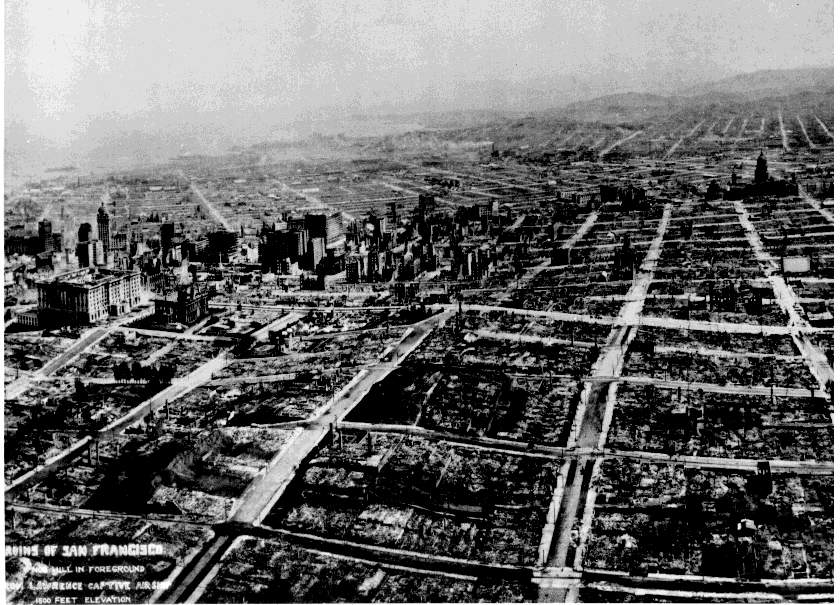
John Castillo Kennedy writes a riveting account of the fire that swept through San Francisco in the wake of the catastrophic earthquake that struck on April 18, 1906. The earthquake and resulting fires, which killed 3000 people, destroyed 80% of the city. Among the dead was the city fire chief. Firefighters, unaccustomed to using dynamite to create firebreaks, caused several of the fires. 

At one point early in the fires, according to Castillo, the spread of the flames surprised people living along Pine, Bush, and Sutter Streets, forcing them to flee immediately. They had been confident that the flames would not reach them there. The author says,

“Quickly filled trunks grated up the hills. Wagons, mostly pulled by men, rattled over the rough cobblestones. Baby carriages and toy express wagons rolled along packed full with the ‘things’ people had snatched up in the flight. Pianos were bumped along the sidewalks–some went to pieces in the process. Sewing machines slipped along on their rollers with stacks of bedding and the like lashed to them. Women had their valuables on their person, or carried trinkets Gypsywise in handkerchiefs. Men wore columns of hats five-high. Some carried only a book. Parrots jabbered and scolded from many cages. Some people had blankets. Girls usually had bandboxes. Boys stretched poles between them and carried, suspended there, bundles of clothing and provisions. Once it was only a ham” (83). 

These panic-stricken people, with no time to prepare, reached for the thing that had the most practical or sentimental value to them. Something made people faced with total loss and threat of life to lug heavy items or pets or food. Many of the choices seem irrational. Perhaps they were in shock or acting in impulse. In essays and contests asking people what they would grab if their house was on fire and they could only grab one thing, they have cited passports, wills, legal documents, insurance policies, personal papers, portable hard drives, phones, etc.

I’m trying to put myself in their shoes. If I was in one of the many neighborhoods forced to flee my home with no time to spare, what would I have been sure to grab? How long would it take my mind to settle on sentimental family items like old photos, my wedding video, or the boys’ baby books? Would I be relieved if I could make it out with my Bible, though I saved nothing else?

I do not judge those folks with their bizarre, split-second decisions. For some reason, it just made me do some introspection. What does my priority list look like? What do I value most in my life and in my home? What would I try to be sure to preserve?

Perhaps the answers to those questions is best provided by my choices in ordinary, every-day actions. I want my wife, children, fellow-Christians, and, most of all, my God to see from my life that they come before the things of this world. The things will all ultimately burn (2 Pet. 3:10). It is the relationships that will outlast the final, global conflagration. I pray that my influence and example will save them from the fire (Jude 23).  

Reference: Kennedy, John Castillo. The Great Earthquake And Fire: San Francisco, 1906 (New York: William Morrow and Co., 1963). 


7000 Chances

Friday’s Column: Captain’s Blog

carl emily truck


Carl Pollard

Research shows that the average person speaks at least 7,000 words a day, while many (you know who you are) speak much more than that. Think about what that means. 7000 words that will leave an imprint on those who hear. That’s an incredible opportunity that we are given…or maybe it’s a bad thing?
 
How do we use our words? As Christians those 7000 words should help us fulfill the command given to “make disciples” (Mt. 28:18-20). That begs the question, what should those 7000 words contain? Even more, what am I saying with those words?
 
We have the responsibility to share the good news with others, so what are my words doing to help accomplish this goal? Colossians 4:6 tells us what our daily speech should consist of. But first, notice the context. Colossians 4:5 says, “walk in wisdom towards outsiders, making the best use of the time.”
 
We have been called to make the best use of the time. Ephesians 5:15-16 reads, “Look carefully then how you walk, not as unwise but as wise, making the best use of the time, because the days are evil.” How do we do this? Colossians 4:6 tells us it’s by talking the right way. “Let your speech always be gracious, seasoned with salt, so that you may know how you ought to answer each person.”
 
If we want to walk with wisdom and be effective towards those in the world, we must use the proper words. As Christians, our speech should be attractive. “Let you speech always be gracious.” Gracious is defined as, “A winning quality or attractiveness that invites a favorable reaction.” What does it mean to look attractive? We use this word to describe someone or something that has favorable qualities that we enjoy. Applying that to our speech, it must ALWAYS be described this way. There should never a moment where we stop.
 
Ephesians 4:29 says, “Let no corrupting talk come out of your mouths, but only such as is good for building up, as fits the occasion, that it may give grace to those who hear.” We want people to leave conversations feeling better than when they first saw us. We want people to see Jesus in our speech.
 
We must always try our best to use attractive words. Always look for ways to encourage and help others with our speech. This means on the internet or in person. Our words are attractive when they are sincere and honest. We are called to have attractive speech, and the words we use must be genuine and real. Not saying them to sound holy or to look good, but out of love and concern for the souls of those who hear.
Got to see these two Huntsville area preachers and their lovely wives Wednesday night.

Circle of Life

Wednesday’s Column: Third’s Words

gary and chelsea

Gary Pollard

  1. Earth Created (Gen. 1) (A)
  2. Man Sins, Earth Corrupted (Rom. 8) (B)
  3. Access to Tree of Life Blocked (Gen. 3) (C)
  4. Man Unified in Evil (Gen. 6) (D)
  5. Earth Destroyed by Water, Preserved for Destruction by Fire (II Pet. 3.6,7) (E)
  6. Jesus Grants Access to God As Mediator, High Priest, Perfect Sacrifice (Heb. 2.9; Rom. 8.17) (F)
  7. Man Rejects God, Unified in Evil (II Thess. 2.3-12) (4) (D)
  8. Earth Destroyed by Fire (II Pet. 3) (E)
  9. Man Redeemed, Creation Redeemed (Rom. 8.18-20; cf Mt. 19.28) (A, B)
  10. Access to Tree of Life Restored (Rev. 22.2) (C)
  11. God’s Own Live with Him, Share Unique Bond, Can Never Lose Paradise Again (II Pet. 3.13; Rom. 8.29; II Tim. 2.12) (F)

You can also look at it this way: 

  1. Earth Created (Gen. 1) New Heavens, New Earth (II Pet. 3.13; Rev. 21.1; Matt. 19.28)
  2. Man Sins, Earth Corrupted (Rom. 8.18-20) Man Redeemed, Earth Redeemed (Rom. 8.18-25)
  3. Access to Tree of Life Blocked (Gen. 3) Access to Tree of Life Restored (Rev. 22.2)
  4. Man Unified in Evil (Gen. 6)  Man Unified in Evil (II Thess. 2.3-12)
  5. Earth Destroyed by Water (Gen. 7; II Pet. 3.6,7) Earth Destroyed by Fire (II Pet. 3.7)
  6. Jesus Gives Access to Father (Heb. 2.9)  We Live With God (II Tim. 2.12; I Jn. 3.1ff; Rom. 8.29)

“The God and Father of our lord Jesus Christ is blessed. Thanks to His incredible mercy, we are born again into a living hope through the resurrection of Jesus Christ out of death. Because of this, we have an immortal inheritance that has no flaw and cannot wear out. This is guarded in heaven for you who are also guarded by God through faith. This salvation will be revealed to you at the end” (I Pet. 1.3ff).

8 Interesting Facts About The Bible

 Tuesday’s Column: Dale Mail

dalejanelle2021

Dale Pollard

  1. The Bible was written by 40 different writers. 
  2. The Bible was written from 3 continents: Asia, Africa, & Europe.
  3. It was written in 3 ancient languages: Hebrew, Aramaic, & Greek. 
  4. The original manuscripts making up the cannon contain 611,000 words. 
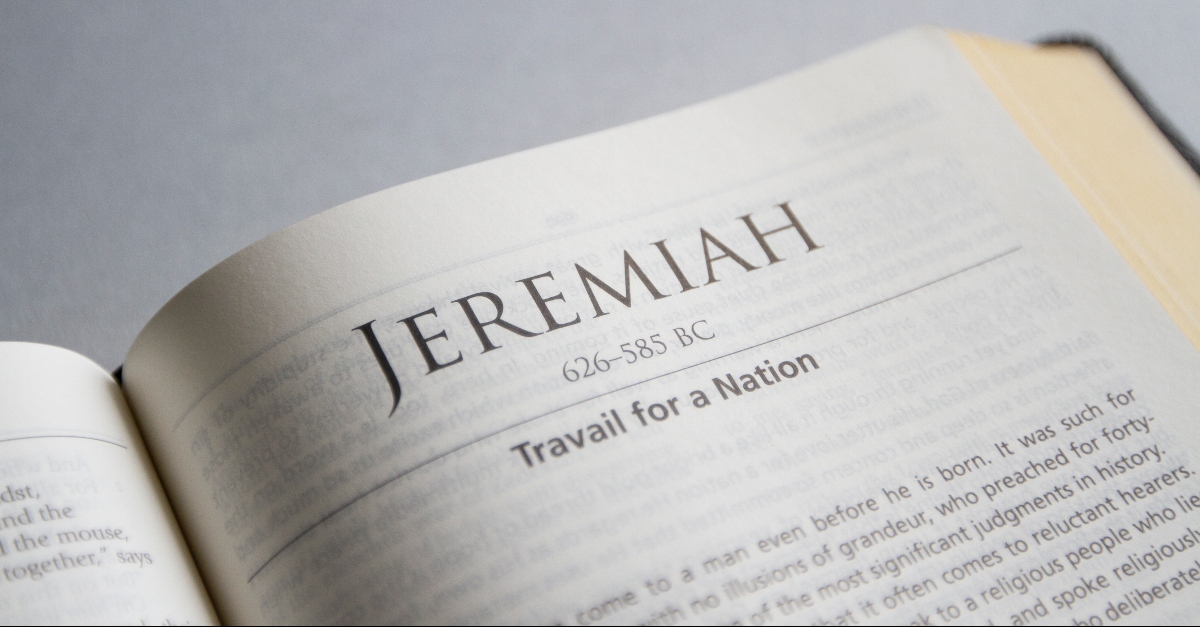
  5. The longest book is Jeremiah. 
  6. The shortest book is 3rd John.
  7. The Bible contains around 185 songs. 
  8. The Bible records around 21 dreams.  

The Bible is more than just fascinating trivia, it’s the only book that God ever wrote. Let’s make sure we’re spending time in His Word daily.