
Over 40 Times

Over 40 times, Scripture directly commands us to defend, protect, and care for orphans and widows. This isn’t a suggestion—it’s a high priority in God’s heart.

Dale Pollard

Over 40 times, Scripture directly commands us to defend, protect, and care for orphans and widows. This isn’t a suggestion—it’s a high priority in God’s heart.

Take a quick look at few of these passages: 

Deuteronomy 10:18 – God executes justice for the fatherless and widow.

Isaiah 1:17 – “Defend the cause of the fatherless, plead the case of the widow.”

Jeremiah 7:6 – “If you do not oppress the alien, the fatherless or the widow…then I will let you dwell in the land that I gave to your fathers forever.” 

Zechariah 7:10 – “Do not oppress the widow or the fatherless…”

And here’s one that we’ll take a closer look at: 

In Job 29, Job makes the argument that he’s a righteous man because he, 

“rescued the poor who cried for help, and the fatherless who had none to assist them.” 

Breaking this down in order, notice what the most righteous man of his day knew about righteous living, 

In verse 4 he claims, “I was a friend of God…” to explain, this he provides examples of what built this close friendship:

“I delivered the poor who cried for help…” (v.12) 

“I put on righteousness, and it clothed me; my justice was like a clean & royal garment” (v.14). 

This was a lifestyle and not a few occasions that he could recall. 

And finally, 

“I was a father to the needy, and I searched out the cause of him whom I did not know” (v.16). 

See how many aspects of his faithful qualities revolved around caring for and looking for those who were needy? The emphasis is on those who were fatherless, widows, and the most vulnerable. What a great guy, and what a greater God. We can be His friend by doing the same today. 
Giving To The Least, We Give The Most!

Monday’s Column: Neal At The Cross

Neal Pollard

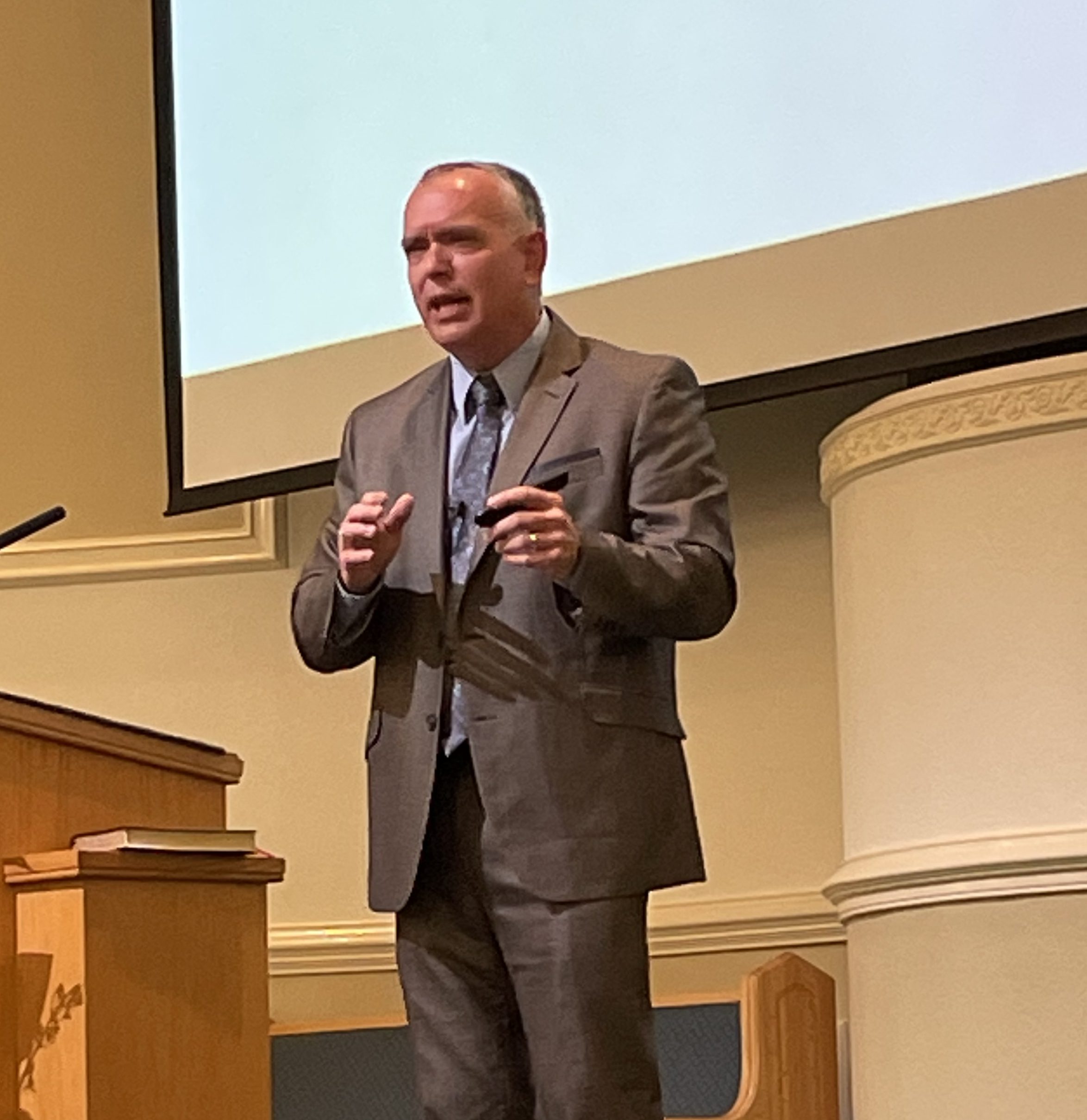
He was eight years old when his parents divorced, leaving his mom with a total of eight children to take care of. The family needed financial help, so his mother contacted the church in the small town where they lived. The church provided them some assistance, and to show gratitude the woman and the children attended a few services. Soon, she took her family back to the denomination they were members of, but she had heard enough gospel preaching in that short period of time to become dissatisfied with the teaching she was now hearing. The preacher and an elder from that benevolent body of believers studied with and baptized the lady. Since this woman could not drive, different families from church would come and pick this large family up. This continued on. The boy and his siblings, nurtured in such an environment, were all influenced by gospel teaching and preaching. Many of them would also obey the gospel through time.

Then, he was a young husband and father, working for the Post Office, when he decided he wanted to attend a school of preaching and train to share the good news with others. Now, some decades later, he has spent years as a gospel preacher, professional counselor, missionary, preacher trainer, and professor. Not long ago, there was a vacancy in the pulpit of the church where he learned the gospel. The elders reached out to him and asked if he would consider taking the job. He did. Now, he is in the community preaching and teaching the lost and building up that body. Every soul he was won, every soul the countless men he has trained have won, and every one he has encouraged who has brought others to Jesus are all fruit to their account (cf. Phil. 4:17). 

The moral of this story is not to shame congregations into practicing the reactive “benevolence” they are solicited to provide by those “frequent fliers” who professionally panhandle. It is a reminder, though, that we all know people in our community who suffer losses and are in genuine need. God has always expected His people to be benevolent, individually and collectively. He tells the church at Galatia, “Therefore, as we have opportunity, let us do good to all, especially to those who are of the household of faith” (Gal. 6:10). James praises Christians as practitioners of pure religion who help those in need (Js. 1:27). Not everyone helped will obey the gospel, but when God’s people share the love of Jesus things like I’ve described will happen. Who knows how many will wind up on the Lord’s right side at the Judgment because we showed kindness and met needs, which opened people’s hearts to the gospel? Let’s find out!