

“But above all, my brethren, do not swear, either by heaven or by earth or with any other oath; but your yes is to be yes, and your no, no, so that you may not fall under judgment” (James 5:12).
Keeping this verse in the context of what James has been talking about in chapter 5,
If you agree to work for the rich, and then don’t, you have stopped being righteous. The rich have been dishonest (see the beginning of chapter 5). They are not letting their “yes be yes.” It would be tempting as a poor person who was being taken advantage of to make the same decision.
Often when we are tempted to compromise our character we do it for someone else. These Christians who were being mistreated most likely had families, a spouse and children who needed to eat. Can’t we compromise to help our family? If our integrity goes out the window in suffering, what does that say about our faith in God? Do we truly believe that He will reward the upright? But it’s easy to see how tempting it would be to stoop to their employer’s level.
If they are dishonest, why should we be any different?
This is how the world thinks. Someone cuts you off in traffic you need to get even.
Your spouse insults you, you give one right back. It is human nature to try and repay evil for evil.
Verse 12 says, “do not swear either by heaven or by earth or with any other oath.”
Matthew 5:34-36, Jesus in His sermon on the mount says, “But I say to you, Do not take an oath at all, either by heaven, for it is the throne of God, or by the earth, for it is his footstool, or by Jerusalem, for it is the city of the great King. And do not take an oath by your head, for you cannot make one hair white or black.”
To understand this section we need to recognize that the Jews had “Lesser” and “Greater” oaths. It was their way of making a commitment while leaving a way out if you needed one. If you swore by Jerusalem you were basically saying yes, but there’s a 40 percent chance I mean “no.” Jesus tells the Jews that no matter what kind of oath you make, God will hold you accountable. There is no greater or lesser oath. There is only yes or no. Applying this to James five, and these christians are being told to just wait on God.
He will make it right in the end. The dishonest employers will be dealt with; just hold on and stay faithful.
It won’t end well for these rich men. So don’t do something you will later regret because the Judge is near. God didn’t save Lazarus from his poverty on earth. The reward came after his life was over. We need to realize that James is not saying to not make oaths in general. In fact, Jesus and Paul both made oaths (Matt. 26:63; 1 Thes. 5:27; 2 Cor. 1:23). The point is not to make an oath that you knowingly might break. That’s like making plans to go out to eat with your spouse, knowing that you’ll make up an excuse to get out of it later.
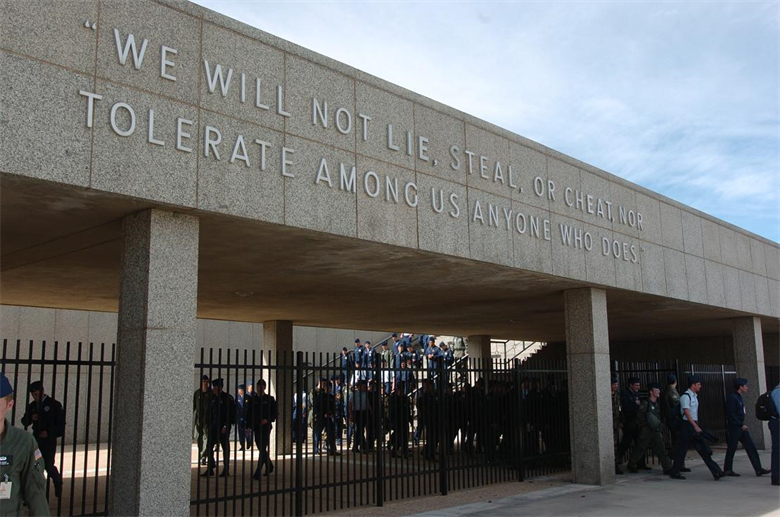
In suffering, we can be tempted to lose our integrity in order to try and save ourselves.
When we face trials, we must keep our integrity. That is when it is needed most.
“Let your yes be yes and your no, no so that you will not fall under judgement.” Remain righteous, have wisdom enough to stay the course until the very end.
 The Preacher Pollard Blog