Archaeologists Discover a Sixth-Century Old Syriac Version of Matthew’s Gospel

Brent Pollard

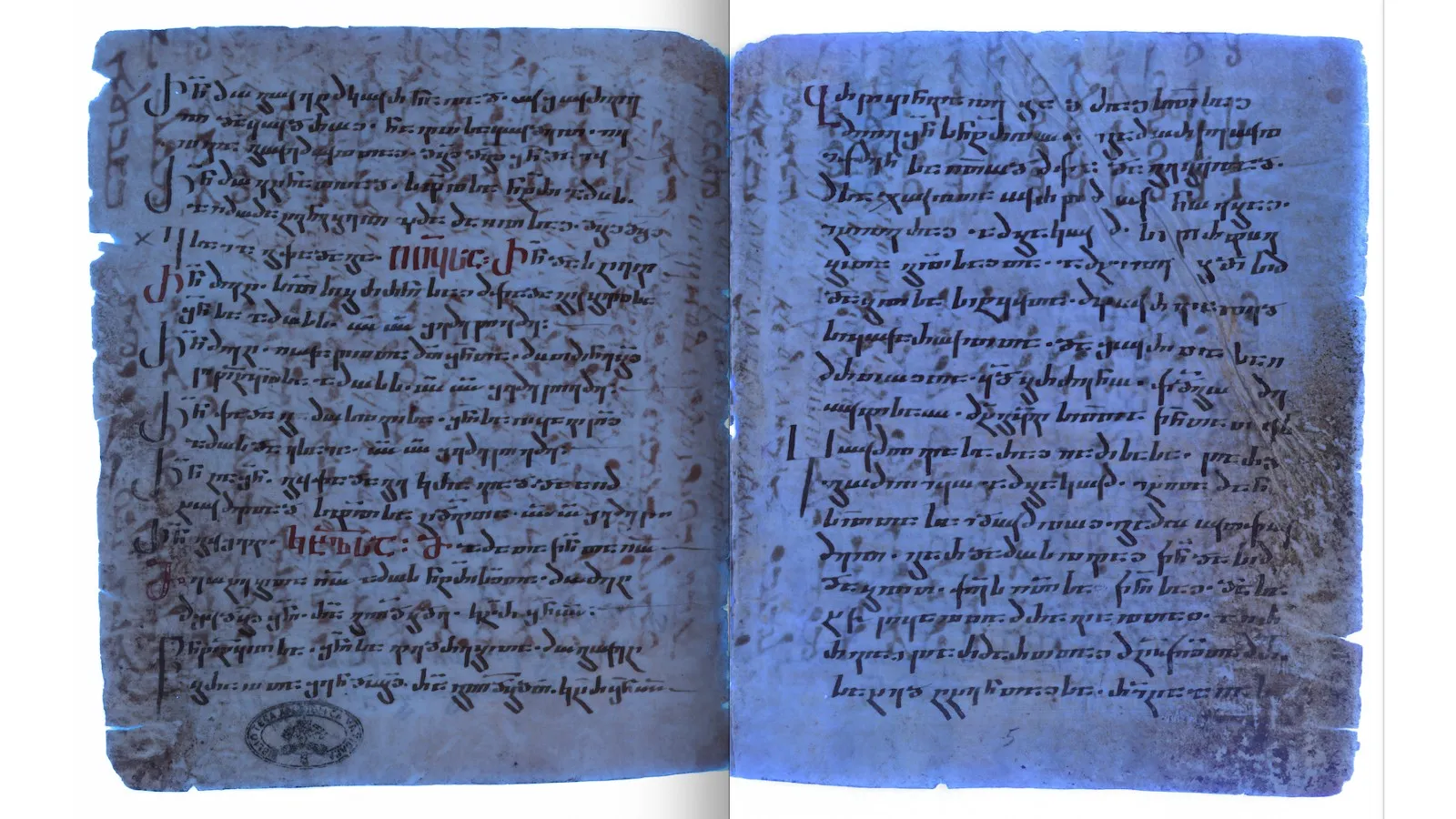
Archaeologists discovered a new copy of Matthew’s Gospel written on ancient parchment beneath two other copies of the same Scriptures, in Greek and Georgian. (Georgian was the last language in which Matthew was written.) Researchers found the text using ultraviolet light. The newly discovered Gospel, written in the Old Syriac language, is thought to date from the sixth century and provides essential information about the early development of Christianity in the Middle East. This version of Matthew’s Gospel has a few minor differences, suggesting that a scribe translated it from an original language different from others. On the other hand, skepticism is likely to use this idea to undermine trust in modern translations of the Scriptures.

What are the differences in Matthew 12.1’s text? On the Sabbath, Jesus and his disciples walk through grainfields when hungry and begin picking heads of grain to eat. On the other hand, the Old Syriac version found on parchment adds that the disciples rubbed the grain in their hands before eating it. While there is a Latin copy that reads similarly, the overwhelming majority of extant manuscripts of Matthew do not. Yet, it is essential to note that this does not indicate that the Scriptures have changed. Before making assumptions, the article fails to consider comparing this version to other Gospel texts.

Luke 6.1 reads as the Old Syriac version of Matthew 12.1: “Now it happened that He was passing through some grainfields on a Sabbath; and His disciples were picking the heads of grain, rubbing them in their hands, and eating the grain. (NASB1995) Could you tell me what is a more probable interpretation of the discrepancy? Could a copyist have mistakenly recorded Luke’s Gospel here, perhaps from memory? Or was this how Matthew’s account was translated into Old Syriac? 

I used machine translation to provide versions of the text in Old Syriac, Koine Greek, and Georgian. However, there may be some errors present.

Old Syriac: ܒ݁ܗܰܡܟܽܘܬܝܳܐ ܕ݁ܐܝܟܬܐ ܐܰܦ݂ ܡܶܢ ܒ݁ܰܝܬܳܐ ܐܳܦ݂ܐ ܐܰܢ݈ܬ݁ܘܼܟ݂ܝܼܣ ܕ݁ܝܶܫܽܘܥ ܕ݁ܕ݂ܶܒ݂ܪܳܢܳܐ ܕ݁ܐܰܢܬ݂ܽܘܢ ܘܐܶܠܳܐ ܟ݁ܰܢܝܳܢ ܕ݁ܡܶܠܬܼܐ ܒ݁ܡܰܥܬ݁ܝܳܐ ܘܐܶܠܳܐ ܫܰܠܡܳܢܳܐ ܠܫܰܥܬ݁ܳܐ ܘܐܰܢ݈ܬ݁ܘܼܢ ܐܰܥܡܳܢܳܐ ܘܚܶܡܪܽܘܬ݂ܳܐ ܘܐܶܠܳܐ ܘܪܰܒ݂ܶܗ ܕ݁ܝܶܫܽܘܥ܀ (Matthew 12.1)

Koine Greek: εν εκείνω τω καιρώ επορεύθη ο Ιησούς τοις σάββασι διά των σπορίμων οι δε μαθηταί αυτού επείνασαν και ήρξαντο τίλλειν στάχυας και εσθίειν. (Matthew 12.1)

Georgian: ამ დროს იესო მიდიოდა შაბათზე თერთმეტის რითმით მართლად ლოცვაში, ხოლო მისი მოწმენდები მშვიდად შებრალეს და მიწუხეს ანაზღაურებისა და ჭაშნიკად ჭრიდების ჩამრთვისა და ჭამასა და სვეტისა საშუალოდ. (Matthew 12.1)

Old Syriac: ܗܘܐ ܕܝܢ ܫܒܘܬܐ ܕܬܪܥܐ ܕܥܪܕܐ ܫܡܝܐ ܐܬܘܪܝܐ ܕܐܬܝܕܘܗܝ ܒܢܝܐ ܘܓܝܪ ܕܫܡܝܐ ܡܫܝܚܐ ܘܐܪܗܡܝܢ ܗܘܘ ܡܪܢܐ ܫܘܪܝܐ ܘܐܫܬܘܬܐ ܫܘܪܝܐ ܕܐܢܐ ܡܛܠ ܠܐܝܠܝܐ ܘܐܚܘܢܝܢ ܗܘܘ ܪܒܘܬܐ ܕܥܪܕܐ ܘܐܫܬܘܬܐ ܕܟܠܗܘܢ ܘܐܛܪܝܐ ܗܘܝܢ ܐܢܐ ܘܒܫܡܝܐ ܐܢܐ ܐܢܐ ܚܢܢܘܢ ܗܘ ܡܠܟܐ ܕܠܐ ܡܕܡ ܒܢܝܐ ܘܐܣܦܝܐ ܀ (Luke 6.1)

Koine Greek: εγένετο δε εν σαββάτω δευτεροπρώτω διαπορεύεσθαι αυτόν διά των σπορίμων και έτιλλον οι μαθηταί αυτού τους στάχυας και ήσθιον ψώχοντες ταις χερσί. (Luke 6.1)

Georgian: იყო კვირაში მეორე პროტოსაბატო, და შესულიყო მათა იესომ სამეფოს ძის გარეშე, სადაც პირობდნენ სასწაულს და თავიანთ ხელებში კი კარვებდნენ პურს. (Luke 6.1)

It is unnecessary to be fluent in any of the above languages to notice that these verses differ. There are apparent differences. There are, however, enough similarities between the two passages to cause confusion or a copyist’s error. Both passages describe Jesus and his disciples walking through fields and picking grains on the Sabbath. Both passages use phrases like “picking the heads of grain.” The context of both passages mentions the Pharisees objecting to the disciples’ actions and claiming that what they had done was not lawful on the Sabbath.

It’s possible that the scribe added a passage from another Gospel to connect it to the parable that follows in Matthew’s account, as they did for Matthew 18.11. Copyists, for example, used Luke 19.10 to introduce the parable of the lost sheep. In a more recent English translation, Matthew 18.11 is bracketed to indicate that it was missing from some old manuscripts used to translate the Bible. Studying religious texts requires careful consideration of the historical context and source material to translate and interpret them accurately. This is particularly important when dealing with ancient texts like the Bible, where variations in different versions pose challenges.

This discovery might make skeptics doubt the Scriptures’ reliability by suggesting that human error or opinion may have influenced them. The most crucial point, however, is that the systematic theology of the New Testament remains consistent, even in a copy of Matthew’s passage that is around 200 years older than the copies above it. While some manuscripts have different wording or additional verses, the message remains consistent, and the steps to salvation stay the same. Whether or not Matthew mentioned the disciples rubbing grain in their hands, the fact that Jesus died to save the world from sin is undeniable. Our demonstration of faith in Jesus Christ is also unchanged. Indeed, we should be amazed at God’s Providence in ensuring His message is faithfully transmitted to people now and in the future.

Reference

“Created for His Enjoyment? “

Friday’s Column: Brent’s Biblical Bytes

81121814_2462862270639428_5746232403106463744_n

Brent Pollard

While in college, I accompanied a friend to Chattanooga to pick up her car from her parents. Both of us were from rural Appalachia and shared a love for nature. Thus, learning that the Tennessee Aquarium was our rendezvous point did not surprise me. It was my first visit to this establishment, and I was impressed. Among the permanent exhibits, there was a temporary one featuring jellyfish. I thought that was lackluster from the sound of it. As I discovered, jellyfish can be quite beautiful. 

There were varieties of jellyfish (i.e., comb jellyfish) looking like UFOs, filled with running lights. I felt like I was watching a science fiction movie as the jellyfish slowly moved through the water. If you have seen Close Encounters of the Third Kind, you may recall the scene where the aliens converge on Devil’s Tower in Wyoming. The “men-in-black-types” atop Devil’s Tower used musical tones associated with colored lights to “communicate” with the extraterrestrial visitors who replied with the same notes and colors. That is what I recalled watching those jellyfish.  

I suppose there may be a sense in which I was watching ambassadors from another world. These are creatures that humanity does not usually get to see, outside of a documentary such as the BBC’s Blue Planet. I suppose prey are attracted to the light. However, a blind mechanism, like evolution, would not have given them the beauty I witnessed. Intelligence must have designed them this way since a single glowing color would be sufficient to attract their meals. Jellyfish would not need a rainbow of colorful lights. Indeed, these comb jellyfish spoke to me of an unseen God (cf. Romans 1.20). 

Isaiah 43.7 informs us God created Israel for His glory. I wish to treat this passage with great care since Christians sometimes use it to give rationale to God’s creation of all humanity. Yet, God made it clear that He picked an insignificant group on purpose (Deuteronomy 7.7). To what end? He could show the world His power and bring salvation through their seed (cf. Genesis 3.15; 22.18). That said, we may safely conclude that God created everything with a purpose. When one can view amazing spectacles, usually observed only by an omnipresent God (cf. Psalm 139), it is hard not to suppose God made things also for His enjoyment.  

In addition to these alienesque gelatinous animals, God has other interesting “sights” to which only He has a regular vantage. Beneath the arctic ice, for example, one can find coral with, admittedly, more subdued colors than their kin in warm, tropical waters. Yet, here is something beautiful and unexpected no human typically sees. But God does. What about other aspects of creation that suggest they exist for God’s enjoyment? Some people say platypuses show God’s “sense of humor.” Consider the amalgamation of creatures one sees within the platypus. The platypus is a mammal but lays eggs. Like an avian, platypuses have duckbills and webbed feet. A platypus has a tail like a beaver and otter-like fur. Male platypuses are even venomous! Platypuses are so odd, in fact, that the first scientists examining them felt someone was pranking them. (“platypus”1)   

Yes, God created the universe and all that is in it per His Will. Maybe God makes nations that can show His glory like ancient Israel. Perhaps, God creates organisms for no other reason than His enjoyment, like comb jellyfish and platypuses. But we know God created humanity so He could have a relationship with us. That is why the Father intervened by sending His Son (Isaiah 53.10-11; John 3.16), and why we find our purpose in doing God’s Will (Ecclesiastes 12.13-14).   

Works Cited 

1 “Platypus.” National Geographic, National Geographic Partners, LLC., 21 Sept. 2018, www.nationalgeographic.com/animals/mammals/p/platypus/.  

The Ankgor Wat Dinosaur

Neal Pollard

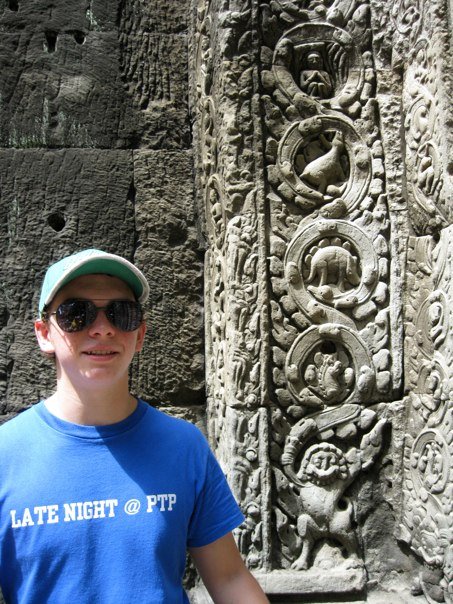
I have been to the Ankgor Wat temple complex, near Siem Reap, four times. It’s a fascinating tourist attraction, but there is one carving, among literally thousands, that stands out above the rest. It is found at Ta Prohm Temple. The temple was built between the late-1100s to early-1200s by King Jayavarman VII and dedicated to his mother. Today, it is “shrouded in dense jungle” and “fig, banyan, and kapok trees spread their gigantic roots over stones, probing walls and terraces” (tourismcambodia.com). “It took 79,365 people to maintain the temple including 18 great priests, 2,740 officials, 2,202 assistants, and 615 dancers” (ibid.). But it’s that stone carving that it most unforgettable.  One particular trip, which I made in 2009 with two elders, three deacons, and my oldest son, Gary, stands out in my mind.

I asked our guide, hired out by the Kazna Hotel in Siem Reap and of the Buddhist faith, what he thought this particular creature was. He said he had no idea what it was and added, “They must have had a really good imagination.”  The question such a response raises is, “How did they know to imagine that?!”

Well, a group from Canada was following close behind our group of seven from Denver, Colorado.  A son asked his father for an explanation of the carvings on the pillar, and dad replied with some authority, “Son, that was their version of a geological timetable.”  Of course, it begs the follow up, “How did 12th-Century Khmer people, well before Darwin and others planted their geological seeds, know of such a timetable?”  Furthermore, this “timetable” looks nothing like anything you will ever see in a textbook–a man above it and a monkey below it.  Based upon what fossil evidence did they create their carving?  There must have been hundreds of fellow “explorers” viewing these temple ruins with us in the few hours we were there.  Some of the fascinated people spoke in languages I cannot understand, but body language was pretty telling.  Others, Americans, British, Australians, and Canadians, all seemed to see that carving for what it most apparently was.  No one said, “That’s a rhino or pig.”  They called it a Stegosaurus.

How many other similar discoveries await reclamation from jungle vegetation, archaeological excavation, and geographic exploration?  In the different disciplines of science and history, man uncovers gems like Angkor Wat’s Ta Prohm from time to time.  Such clear, incontrovertible evidence from a time before our modern “war” between evolutionists and creationists begs to be examined with unprejudiced eyes.  While some may never change their mind regardless of how many items are offered into evidence, I believe that there are a great number of people out there who are honestly, objectively looking for truth.  The Stegosaurus at Ta Prohm near Siem Reap, Cambodia, might be the item that convinces many!

1937409_160820505921_3751983_n
Gary standing next to the column. Notice what/who else is in the carving with the Stegosaurus.

Did James Bartley Live To Tell Being Swallowed By A Sperm Whale?

Neal Pollard

On his tombstone in Gloucester, England, James Bartley had written “A Modern Jonah.”  Bartley was allegedly swallowed by a sperm whale while helping to hunt and kill the giant in 1891.  The whale, as the tale goes, was ultimately subdued and conquered, and when its stomach was hoisted on deck two days later, an unconscious and crazed Bartley was found inside. He was a member of a party sent out to harpoon the beast, and in the melee that ensued Bartley was said to be accidentally ingested.  By the mid-1890s, the story was published and circulated as fact on both sides of the Atlantic.  For over 100 years, the Bartley story has been told by eager apologists to defend the veracity of the biblical account of Jonah.  It has served as a theological pingpong ball vollied back and forth between believers and unbelievers.  Research, particularly by a Bible-believing professor named Edward Davis (http://asa.calvin.edu:80/asa/pscf.html | 19:53:53 Mar 16, 2003), ultimately shows beyond a reasonable doubt that the story is a hoax.  Too many aspects of the story do not stand up to scrutiny.  The alleged ship, “Star of the East,” was not a whaler. There was no fishing off the Falkland Islands in 1891. Bartley’s name never appeared on a manifest of the aforementioned ship. The captain’s wife said that her husband never lost anyone overboard in all their years of marriage, and they were married in 1891.  Atheists and skeptics have rejoiced in such findings, using them to discredit the Bible’s account of the Jonah incident.  Apparently, some less than scrupulous (or, at best, sloppy researching) “Christian Apologists” have taken the Bartley story and run with it in an effort to substantiate that ancient account.  Yet, opponents of Scripture have been as out of bounds in their response, making the nonsensical jump from the fraudulent Bartley story to try to discredit the validity of the book of Jonah.  Because modern man fabricated a story about a man being swallowed by a whale does not mean that the account in Scripture should be rejected.

The account of Jonah is believable for at least these reasons.  First, the Bible does not call Jonah’s captor a whale.  It was a fish (Jonah 1:17). The NAS has “sea monster” in Matthew 12:40, but it is better translated “big fish, huge fish” (Louw-Nida, np). Second, this fish was “prepared” (appointed, NAS) by God for the occasion. We have no record of this “species” prior to or after this special occasion meant by God to persuade His pekid prophet.  Finally, Jesus validates the historicity of the Jonah incident. In the aforementioned gospel account, Jesus refers to Jonah as fact rather than fable. If it was a fairy tale, Christ gives no hint of it.  In fact, He says, “…just as Jonah was three days and three nights in the belly of…” this creature (emph., NP).

Have creationists and “fundamentalists” ever overreached to try and prove their point? Undoubtedly!  Have skeptics and atheists ever overreacted to try and protect their non-theistic bubble? Absolutely!  When such battles as these are being waged, I find my confidence in going back and reading the text.  Seeing what the Bible actually says is powerful in keeping us away from either extreme.