
Neal Pollard
I am blessed with a wise woman for a wife. My three sons would tell you that every time they consult her for wisdom, she never disappoints. I think that is because she draws, as the source of her wisdom, on God’s Word. She has filled her heart with it, and that’s what comes out when she interacts. Especially does she want to get that right when offering guidance to her sons.
King Lemuel seems to have had a mother like that. She teaches her son an “oracle” (sayings or inspired utterances) that first deals with how he uses his professional possession (Proverbs 31:1-9). The bulk of the chapter (31:10-31) will deal with who he looks for as a wife. His mother pleads with him emphatically. I’m not sure where I see a more intense plea anywhere in Scripture: “What are you doing, my son? What are you doing, son of my womb? What are you doing, son of my vows?” I don’t know if this is written in reaction or in proaction, but her concern is palpable. Each bit of counsel is followed up with the next, divine wisdom meant to prepare him or repair him. What are they?
DON’T ABUSE AUTHORITY (3). This is written to a man in a position of considerable authority. She warns him not to surrender his influence to physical desires or social vanity. The “women” in verse three are contrasted with the woman of noble character described in the beautiful poem at the end of the chapter (31:10-31). These women would take his strength; the virtuous woman would add to it. “Those who destroy kings” are individuals who don’t have his interests at heart. He is not to allow those people into his circle of influence. Have you ever seen people who ingratiate themselves by positioning themselves close to someone they see as powerful and influential? They flatter them with praise. These deplete rather than distribute strength. Neither of these groups care about Lemuel. They care about themselves.
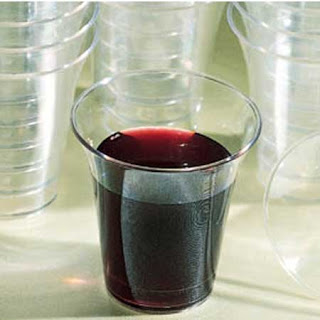
DON’T ABUSE ALCOHOL (4-7). This admonition is written to warn him against impairment that comes from a different source. Wine and strong drink are the enemies and the contrast to wise decision-making. Why? It causes one to forget the law (5) and the afflicted (5). It is only a temporary escape from their troubles (6) and it actually adds to their troubles (7). Frequently, Proverbs warns against the negative influence of alcohol. “Wine produces mockers; alcohol leads to brawls. Those led astray by drink cannot be wise” (20:1, NLT). “Who has woe? Who has sorrow? Who has contentions? Who has complaining? Who has wounds without cause? Who has redness of eyes? Those who linger long over wine, Those who go to taste mixed wine” (23:29-30). In three decades of ministry, I’ve encountered a lot of people struggling with addiction to alcohol. Sometimes it was learned from the home they grew up in. Sometimes it was discovered through friendships or on the job. I cannot tell you how many marriages, homes, careers, and lives have been adversely affected (often tragically) through the abuse of alcohol. Perhaps we are wise to heed the rest of Proverbs 23: “Do not look upon it…” (31). If we keep our eyes off of it, our lips won’t touch it.
DON’T ABUSE THE ABUSED (8-9). This passage suggests that one of the cruelest forms of abuse is silence. Lemuel’s mother advised him to “open” his mouth. Some are too powerless to advocate for themselves. They need someone with the power and influence to speak for them. She says to represent the voiceless and penniless (8). She says actively help the poor and needy with righteous judgment and thoughtful defense (9). We all know disenfranchised, marginalized people, people nobody notices, cares about, or helps. That cannot be us. Compassion and sensitivity to the plights of the downtrodden should fill our hearts.
The king’s mother shares three qualities with her son to give him success: discernment of character, self-control, and compassion. But these things can help peons and peasants like you and me. In this way, Lemuel’s lessons are lessons we can learn, too!



 The Preacher Pollard Blog