

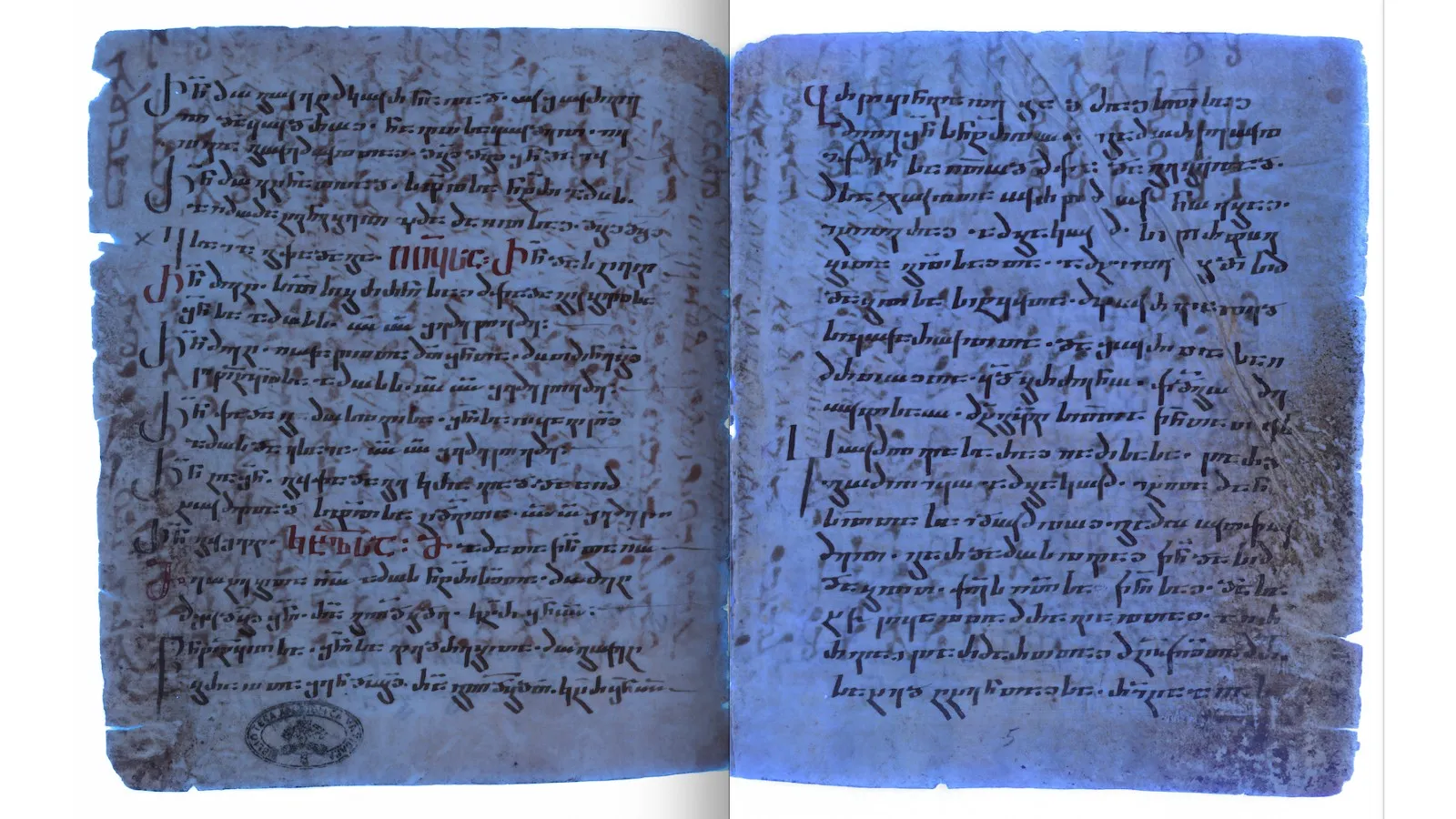
Archaeologists discovered a new copy of Matthew’s Gospel written on ancient parchment beneath two other copies of the same Scriptures, in Greek and Georgian. (Georgian was the last language in which Matthew was written.) Researchers found the text using ultraviolet light. The newly discovered Gospel, written in the Old Syriac language, is thought to date from the sixth century and provides essential information about the early development of Christianity in the Middle East. This version of Matthew’s Gospel has a few minor differences, suggesting that a scribe translated it from an original language different from others. On the other hand, skepticism is likely to use this idea to undermine trust in modern translations of the Scriptures.
What are the differences in Matthew 12.1’s text? On the Sabbath, Jesus and his disciples walk through grainfields when hungry and begin picking heads of grain to eat. On the other hand, the Old Syriac version found on parchment adds that the disciples rubbed the grain in their hands before eating it. While there is a Latin copy that reads similarly, the overwhelming majority of extant manuscripts of Matthew do not. Yet, it is essential to note that this does not indicate that the Scriptures have changed. Before making assumptions, the article fails to consider comparing this version to other Gospel texts.
Luke 6.1 reads as the Old Syriac version of Matthew 12.1: “Now it happened that He was passing through some grainfields on a Sabbath; and His disciples were picking the heads of grain, rubbing them in their hands, and eating the grain. (NASB1995) Could you tell me what is a more probable interpretation of the discrepancy? Could a copyist have mistakenly recorded Luke’s Gospel here, perhaps from memory? Or was this how Matthew’s account was translated into Old Syriac?
I used machine translation to provide versions of the text in Old Syriac, Koine Greek, and Georgian. However, there may be some errors present.
Old Syriac: ܒ݁ܗܰܡܟܽܘܬܝܳܐ ܕ݁ܐܝܟܬܐ ܐܰܦ݂ ܡܶܢ ܒ݁ܰܝܬܳܐ ܐܳܦ݂ܐ ܐܰܢ݈ܬ݁ܘܼܟ݂ܝܼܣ ܕ݁ܝܶܫܽܘܥ ܕ݁ܕ݂ܶܒ݂ܪܳܢܳܐ ܕ݁ܐܰܢܬ݂ܽܘܢ ܘܐܶܠܳܐ ܟ݁ܰܢܝܳܢ ܕ݁ܡܶܠܬܼܐ ܒ݁ܡܰܥܬ݁ܝܳܐ ܘܐܶܠܳܐ ܫܰܠܡܳܢܳܐ ܠܫܰܥܬ݁ܳܐ ܘܐܰܢ݈ܬ݁ܘܼܢ ܐܰܥܡܳܢܳܐ ܘܚܶܡܪܽܘܬ݂ܳܐ ܘܐܶܠܳܐ ܘܪܰܒ݂ܶܗ ܕ݁ܝܶܫܽܘܥ܀ (Matthew 12.1)
Koine Greek: εν εκείνω τω καιρώ επορεύθη ο Ιησούς τοις σάββασι διά των σπορίμων οι δε μαθηταί αυτού επείνασαν και ήρξαντο τίλλειν στάχυας και εσθίειν. (Matthew 12.1)
Georgian: ამ დროს იესო მიდიოდა შაბათზე თერთმეტის რითმით მართლად ლოცვაში, ხოლო მისი მოწმენდები მშვიდად შებრალეს და მიწუხეს ანაზღაურებისა და ჭაშნიკად ჭრიდების ჩამრთვისა და ჭამასა და სვეტისა საშუალოდ. (Matthew 12.1)
Old Syriac: ܗܘܐ ܕܝܢ ܫܒܘܬܐ ܕܬܪܥܐ ܕܥܪܕܐ ܫܡܝܐ ܐܬܘܪܝܐ ܕܐܬܝܕܘܗܝ ܒܢܝܐ ܘܓܝܪ ܕܫܡܝܐ ܡܫܝܚܐ ܘܐܪܗܡܝܢ ܗܘܘ ܡܪܢܐ ܫܘܪܝܐ ܘܐܫܬܘܬܐ ܫܘܪܝܐ ܕܐܢܐ ܡܛܠ ܠܐܝܠܝܐ ܘܐܚܘܢܝܢ ܗܘܘ ܪܒܘܬܐ ܕܥܪܕܐ ܘܐܫܬܘܬܐ ܕܟܠܗܘܢ ܘܐܛܪܝܐ ܗܘܝܢ ܐܢܐ ܘܒܫܡܝܐ ܐܢܐ ܐܢܐ ܚܢܢܘܢ ܗܘ ܡܠܟܐ ܕܠܐ ܡܕܡ ܒܢܝܐ ܘܐܣܦܝܐ ܀ (Luke 6.1)
Koine Greek: εγένετο δε εν σαββάτω δευτεροπρώτω διαπορεύεσθαι αυτόν διά των σπορίμων και έτιλλον οι μαθηταί αυτού τους στάχυας και ήσθιον ψώχοντες ταις χερσί. (Luke 6.1)
Georgian: იყო კვირაში მეორე პროტოსაბატო, და შესულიყო მათა იესომ სამეფოს ძის გარეშე, სადაც პირობდნენ სასწაულს და თავიანთ ხელებში კი კარვებდნენ პურს. (Luke 6.1)
It is unnecessary to be fluent in any of the above languages to notice that these verses differ. There are apparent differences. There are, however, enough similarities between the two passages to cause confusion or a copyist’s error. Both passages describe Jesus and his disciples walking through fields and picking grains on the Sabbath. Both passages use phrases like “picking the heads of grain.” The context of both passages mentions the Pharisees objecting to the disciples’ actions and claiming that what they had done was not lawful on the Sabbath.
It’s possible that the scribe added a passage from another Gospel to connect it to the parable that follows in Matthew’s account, as they did for Matthew 18.11. Copyists, for example, used Luke 19.10 to introduce the parable of the lost sheep. In a more recent English translation, Matthew 18.11 is bracketed to indicate that it was missing from some old manuscripts used to translate the Bible. Studying religious texts requires careful consideration of the historical context and source material to translate and interpret them accurately. This is particularly important when dealing with ancient texts like the Bible, where variations in different versions pose challenges.
This discovery might make skeptics doubt the Scriptures’ reliability by suggesting that human error or opinion may have influenced them. The most crucial point, however, is that the systematic theology of the New Testament remains consistent, even in a copy of Matthew’s passage that is around 200 years older than the copies above it. While some manuscripts have different wording or additional verses, the message remains consistent, and the steps to salvation stay the same. Whether or not Matthew mentioned the disciples rubbing grain in their hands, the fact that Jesus died to save the world from sin is undeniable. Our demonstration of faith in Jesus Christ is also unchanged. Indeed, we should be amazed at God’s Providence in ensuring His message is faithfully transmitted to people now and in the future.


 The Preacher Pollard Blog