Bible Land Tours (Mediterranean)(XII)

Neal Pollard

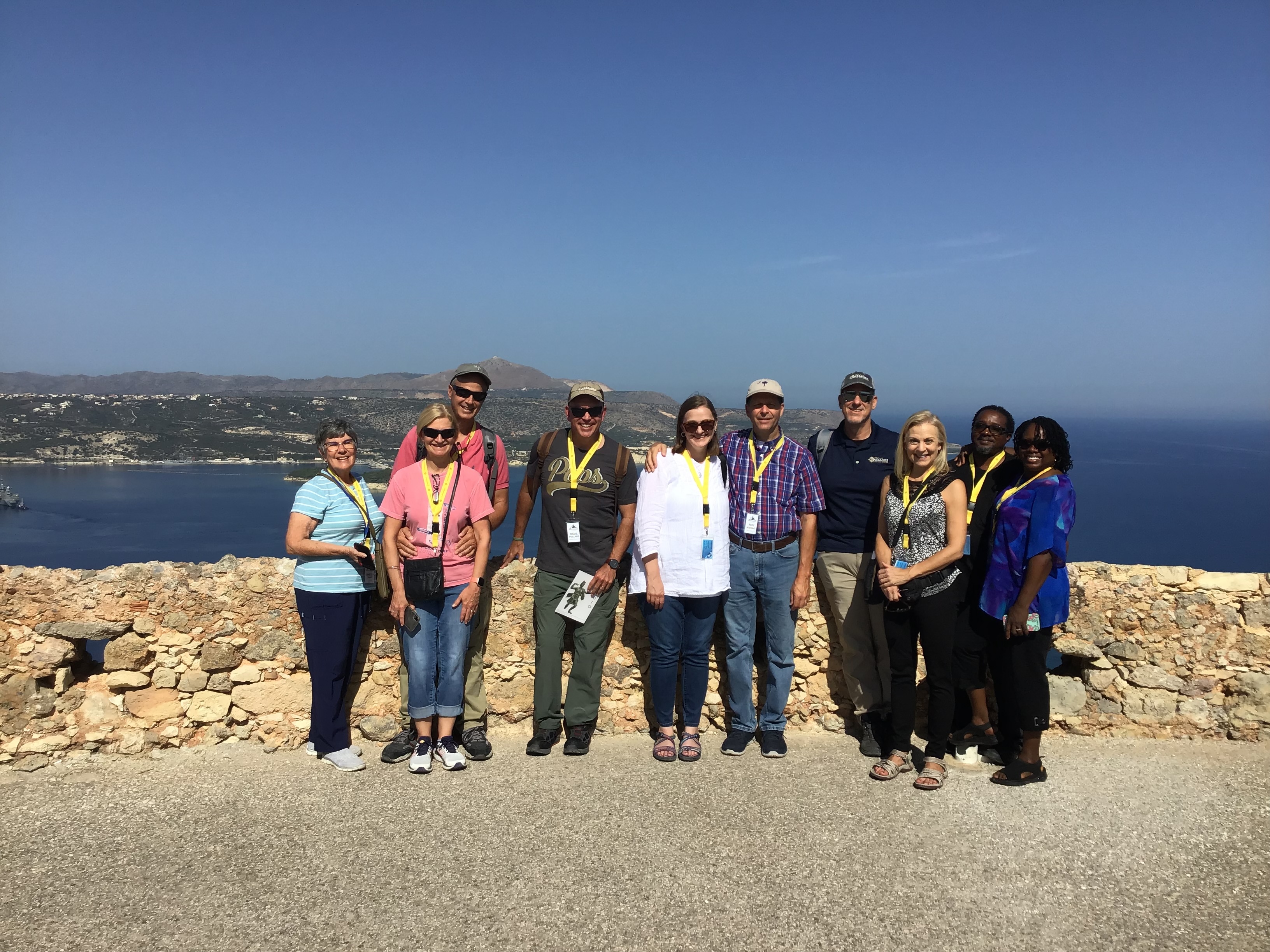
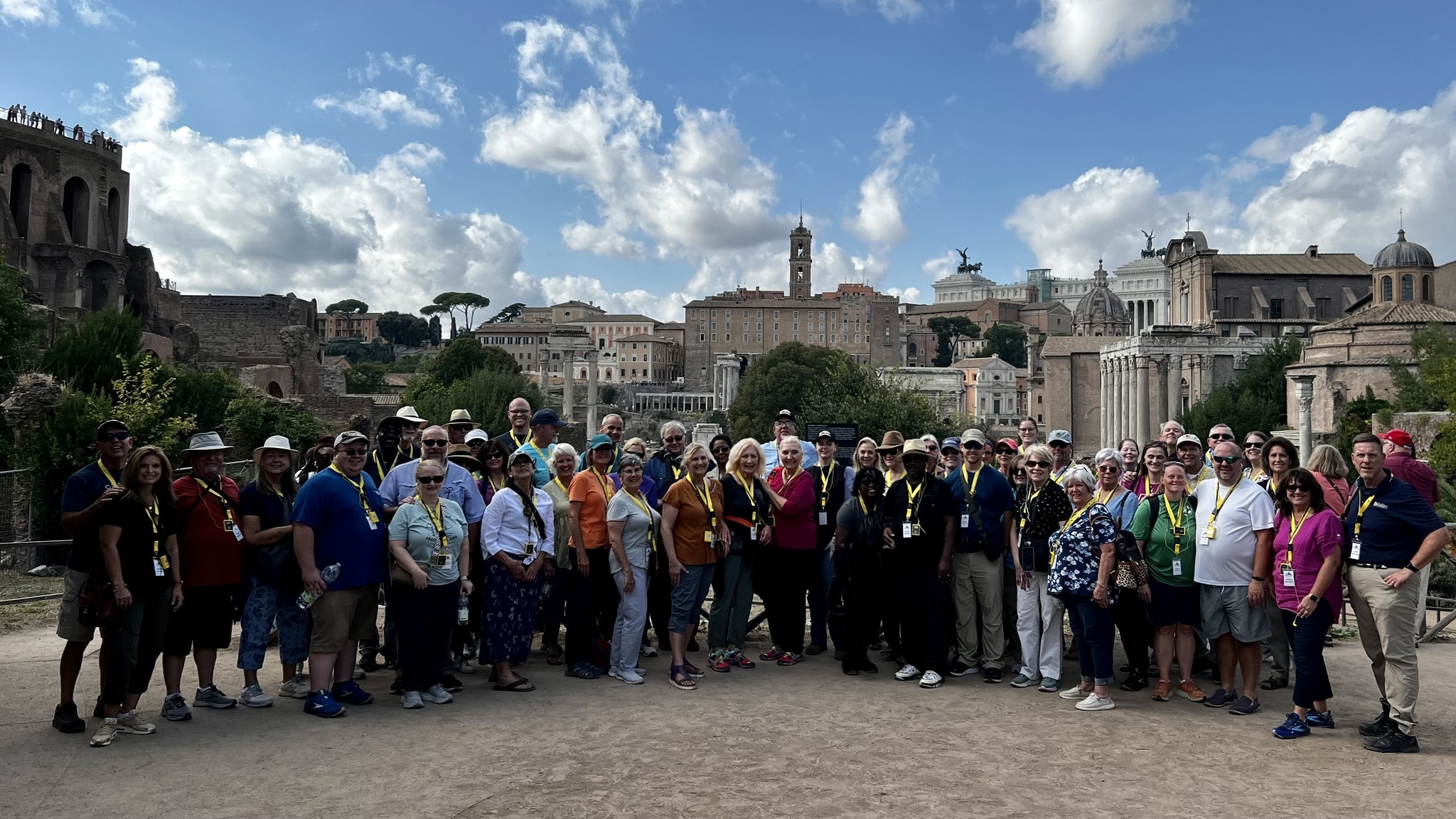
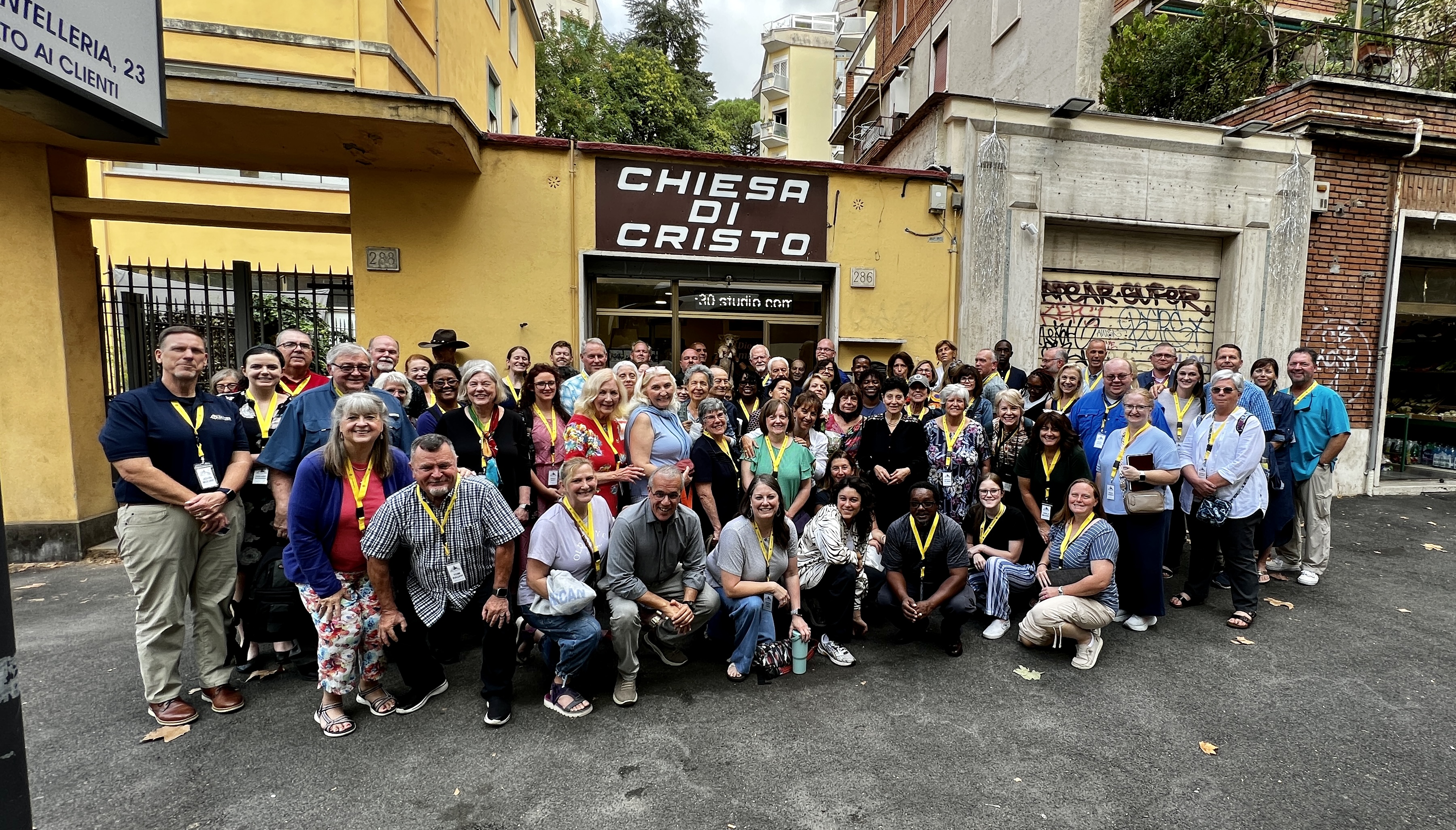
I asked for this photograph to be taken during a break in yesterday morning’s teaching. The rest of our group probably has no idea why. Many in this picture also may not know why. But there is a specific, important reason, one very dear to me.

We’ll start with Brian Ketchum, whose sweet wife, Shannon, took the picture. He’s standing just to my left. He was a toddler whose parents were members of the Cold Harbor Road church of Christ in Mechanicsville, Virginia, when Kathy and I moved to work with that church in 1994. We got to watch him reach his teen years and have enjoyed seeing the godly Christian man he has become. Currently, he is a student at the Bear Valley Bible Institute and a big help to the great work John and Carla Moore do with Bible Passages. It was a “world’s collide” moment when we heard the Ketchums moved to Denver.

We made the difficult decision to leave Virginia for Denver back in 2006. Over time, we became good friends with many families, including the Murphys and Randalls. Dean (pictured at far left next to the Kemps) was one of my elders for several years, but also a friend I went hunting with, played ball with, and did a lot of church work with. His wife, Kathy, is still a dear friend of my wife (she was not in the room for the photograph). The Randalls (Pam is fourth from right, two over from Brian and Rick is the man in the back right of the photo near John) are very evangelistic people. I had several studies with their contacts, but they have also studied with many more over the years. They were converted through Bear Valley’s bus program in the ’70s. They have been actively trying to work on non-Christians throughout this cruise! I’m not surprised! We have also enjoyed many great moments in their home and at their ranch. John and Carla Moore, some of our best friends, came to work with Bear Valley Bible Institute in 2016. We were already friends with them when they arrived, but we have been literally across the world with them several times and served together in various ways. Carla and Kathy co-host “Looking Up!,” a podcast for Christian women.

(Latest episode here)

For the rest of the sweet, wonderful people in this picture, we have come to know each of them since making the difficult but extremely rewarding decision to leave Colorado for Kentucky. To the right of Dean Murphy are our dear coworkers, Hiram and Brittani Kemp, who actually moved to Bowling Green two years after we did. They are such a blessing, not only to the church but to our lives. Next to them is Andrew Gott (wife Haley is bending between Kathy and Carla). They are an active, fun young family with two of the spunkiest, red-headed boys you will ever meet! Andrew is a deacon at Lehman Avenue.

In front of Andrew is Darlene Clark, a cousin to Doris Phelps and member of a nearby congregation. Next to her is Doris, one of our wonderful ladies at Lehman and a great student of the Bible. She sends the greatest cards, could be a stand-up comic, and is incredibly creative and hospitable.

Next to Darlene and Doris are David and Sarah Pahman. We actually went to Faulkner University with them in the late ’80s and early ’90s. The Pahman moved to Kentucky a couple of years ago, as David became president of our local Christian school. He is also one of Lehman’s elders. They are a dear family, loving and devoted to Christian education.

Behind Pam Randall, to her left, is Linda Matthews. She is Lehman’s church secretary, a faithful Christian and avid horse rider and adventurer. She has been a vital part of the congregation for several decades, one of the best at keeping up with our elderly and shut-in members. On the other side of Pam is Clint Raymer, one of our young adults who grew up at Lehman. He’s now a physical therapist and spends much time in travel nursing since Covid, but he is multitalented and loves the Lord (and singing)! In the back, between Clint and Brian, is Rhonda Garland. She is also such a faithful, caring Christian whose daughter, son-in-law, and grandsons also attend Lehman. She is one of the most active listeners, whether in Bible class, worship, or conversation.

It was beautiful and wonderful to be able to experience this cruise with members of three of the four congregations I have preached for. The common thread here, besides our Lord, is the woman in the very middle. Only she (besides me) has been a member of all three of these congregations and worked under the oversight of their elderships. She has been by my side through the ups and downs of life, encouraging, loving, admonishing, and helping me to be the servant of Christ I should be. She loves the church and the people who make it up, as I do. She has been fellow-worker, fellow-member, and fellow-heir, help meet, and my best friend through all of this and mother of our sons and grandmother to our grandchildren along the way. We share the rich heritage symbolized in this picture above.

It breaks my heart to hear voices habitually critical of the church, its members, or the broad-sweeping “that’s the problem with churches of Christ” or decrying issues with the institution or organization of the local church or our dear brotherhood (1 Pet. 2:17). Christ’s bride is full of imperfect, yet redeemed, people who at times will disappoint, fall short, and go astray in various ways. These must be addressed, but for those struggling with bitterness or extreme disillusionment toward God’s own possession, each of us have our own spiritual mosaic! Think of the congregations you have been a part of and how your brothers and sisters have not only assisted you, but have become a part of you!

I have loved so much about this trip (and it’s still not quite over), but I have loved nothing more than being with the 55 other people on this adventure. I have a special connection with the folks in that picture, but I have built or built upon connections with the rest of this group. It includes dear friends from over the years as well as many new friends I will continue to benefit from going forward. Who knew that some of the greatest treasures would not be identified by historical markers and professional guides, but rather sealed by the blood of the Lamb?
Bible Land Tours (Mediterranean)(XI)

Neal Pollard

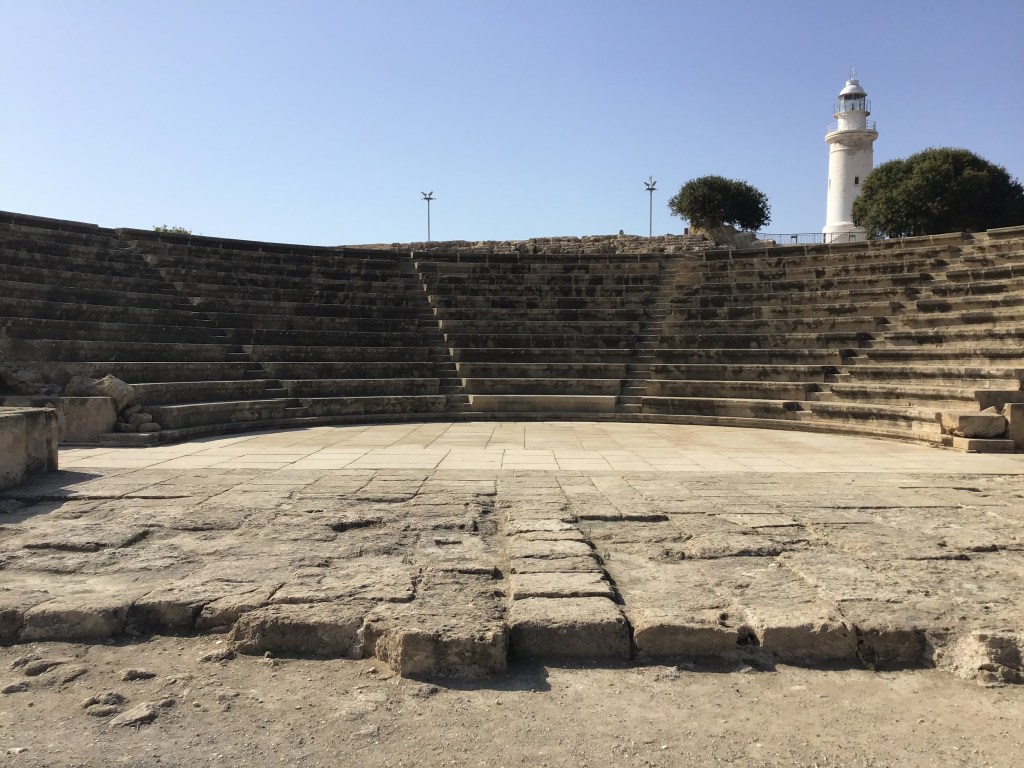
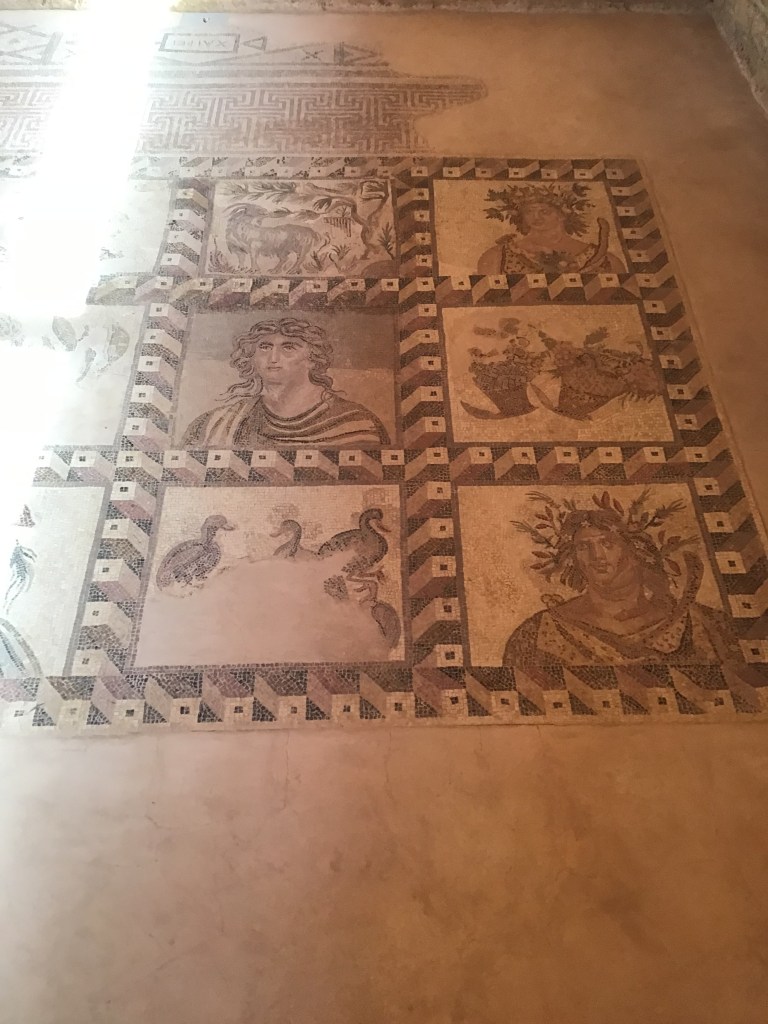
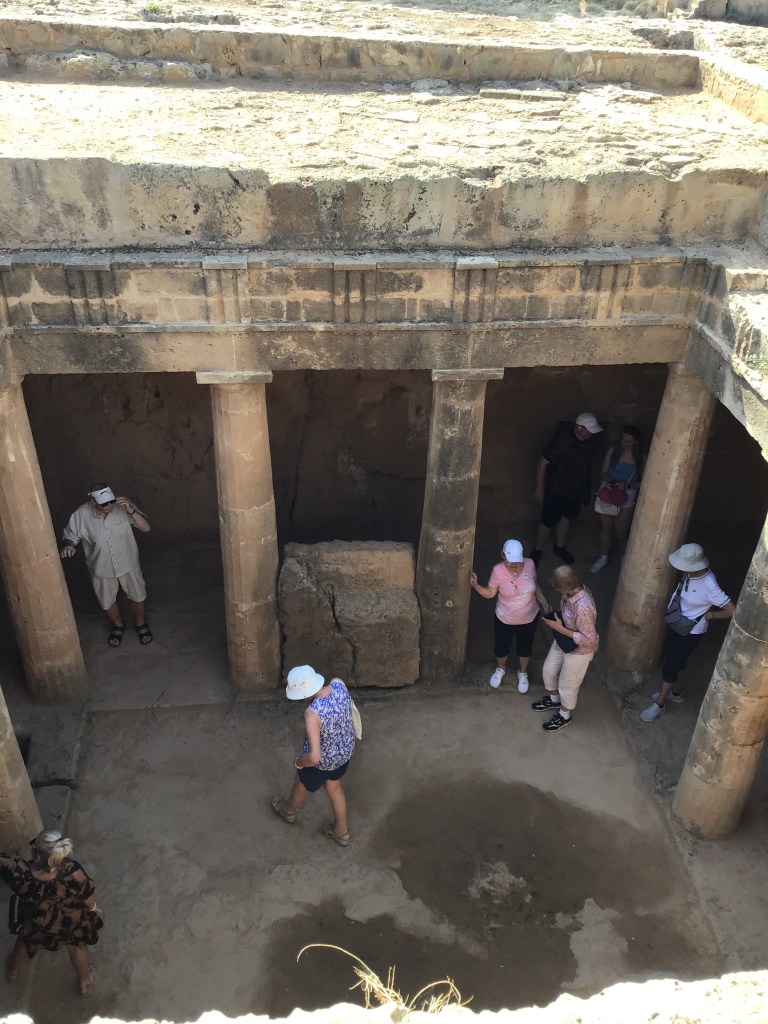
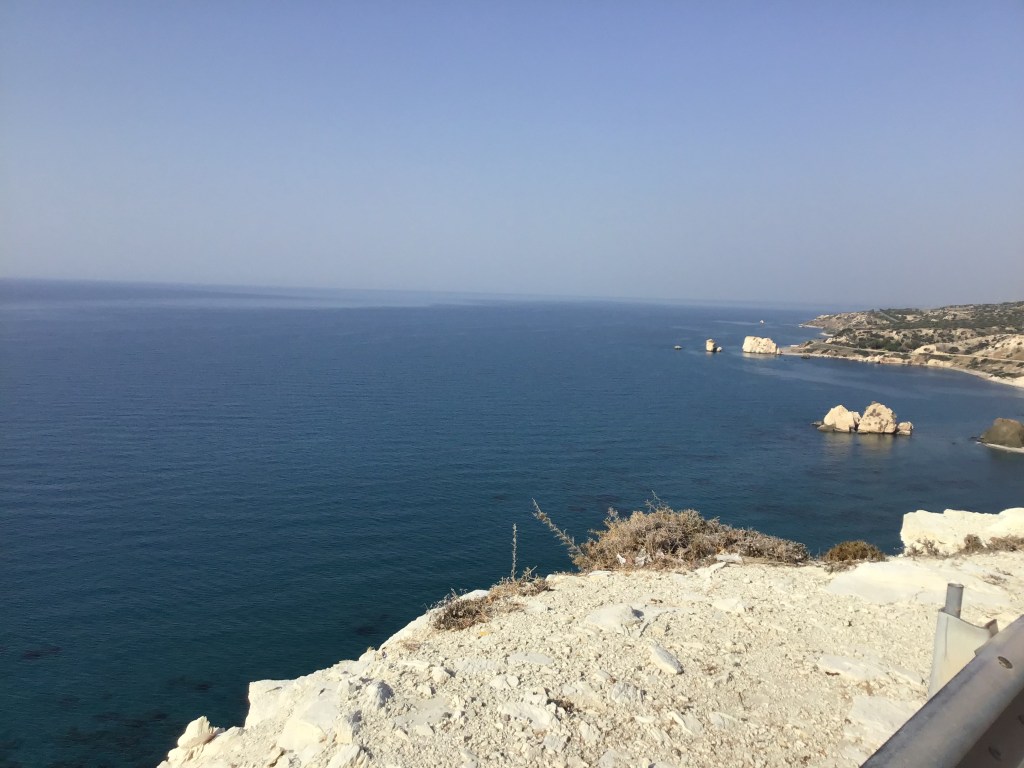
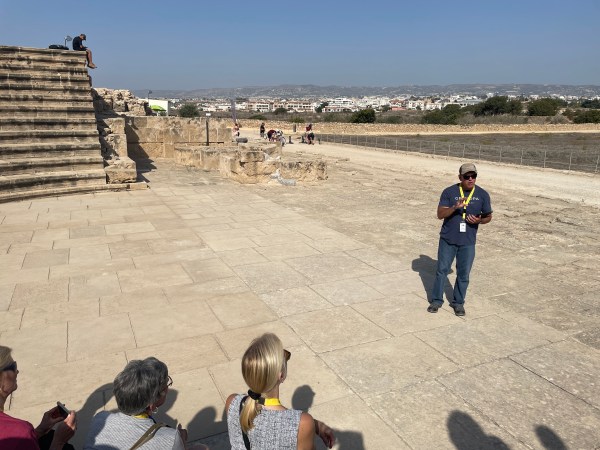
Especially since we lost the ability to visit Israel, I have been looking forward to visiting the country of Cyprus. Though it was a hurried trip, it did not disappoint me. Cyprus is mentioned so frequently in Scripture, Kittim (Chittim) and Elishah in the Old Testament (as well as Cyprus in the Major Prophets), then featuring prominently in the book of Acts–the first stop on the first Missionary Journey, the home of a disciple named Mnason, and an early stop on Paul’s ill-fated ship in Acts 27:4. It is also the native country of Barnabas, one of the unsung heroes of the New Testament. Our group was able to go to Paphos, where Paul and Barnabas converted Sergius Paulus.

There was so much more to see in the country, even more than we possibly had time to see in the course of just a few hours. What we dearly wanted to do did not work out, going to Fumagusta to meet the only known New Testament Christian in this country–Kith Nambale. He is a student in Eastern Mediterranean College who searched for the truth and was baptized by Rod Seaman earlier this year. Soon, Wayne Parker, a long time missionary is moving to Cyprus to work as a missionary. To me, it is always exciting where the gospel returns to places where it was in the early days of Christianity.

I have appreciated the daily habit we have developed of meeting on deck after dinner to sing and pray. It has drawn the attention of quite a few passengers. We also have sung on the bus each day as we have gone on our excursions. It is such a blessing when God’s people love to sing and take time to do so. It will be one of the treasured memories of this trip, a souvenir like no other! I have also appreciated how evangelistic John Moore is, taking every opportunity to teach and share the gospel with each guide, bus driver, and other non-Christian we have as a “captive audience.” He and Carla do such an incredible job in this ministry.

While I am sad that this was the last Bible land excursion, I am beyond thankful for each opportunity. It has enriched our faith and built our appreciation for especially the sacrificial service of the great apostle Paul! Like him, we are on a ship headed for Rome. We pray that our experience will mirror the ship he stepped onto in Acts 28 rather than the one in Acts 27!

Bible Land Tours (Mediterranean)(X)

Neal Pollard

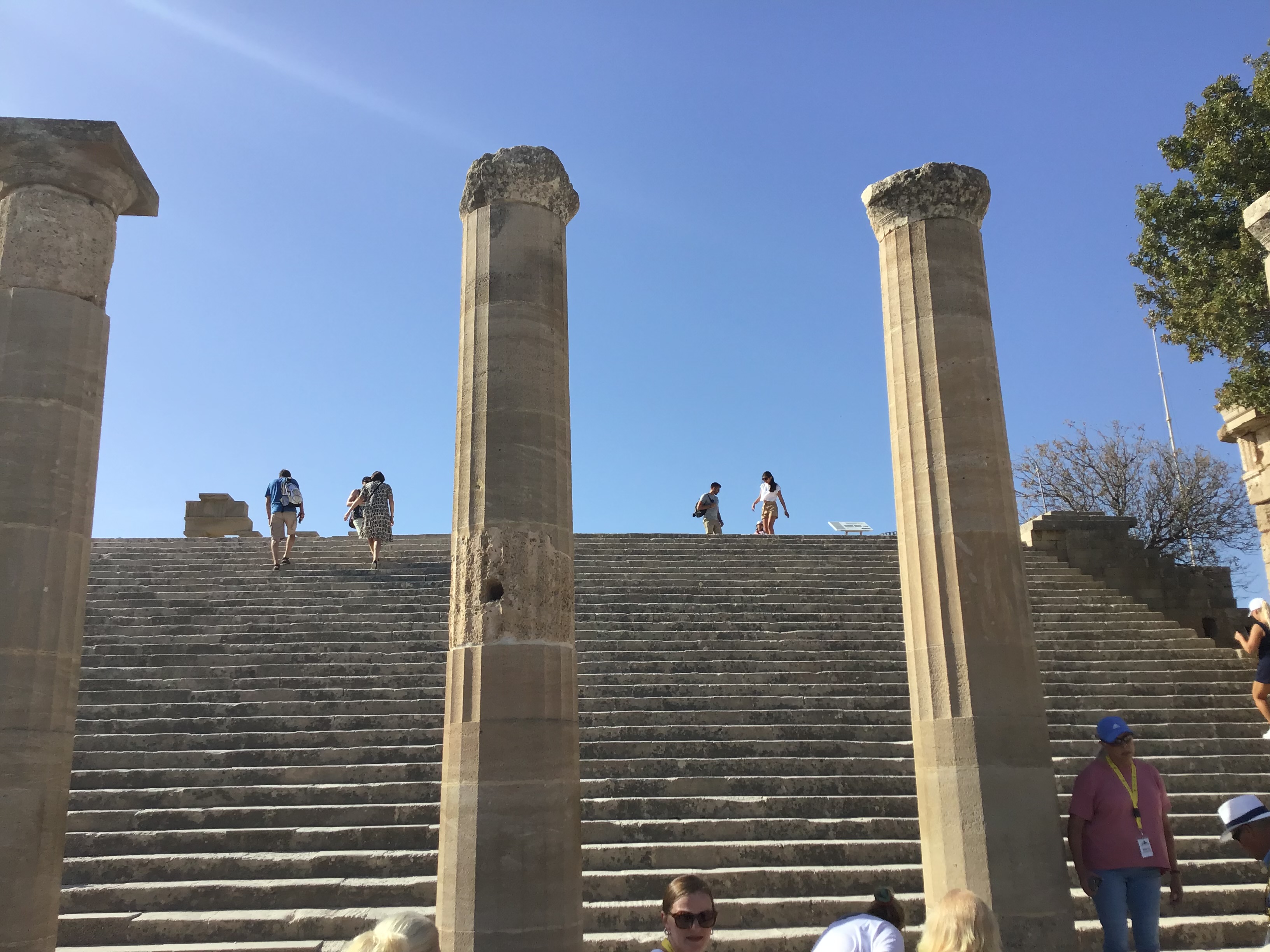
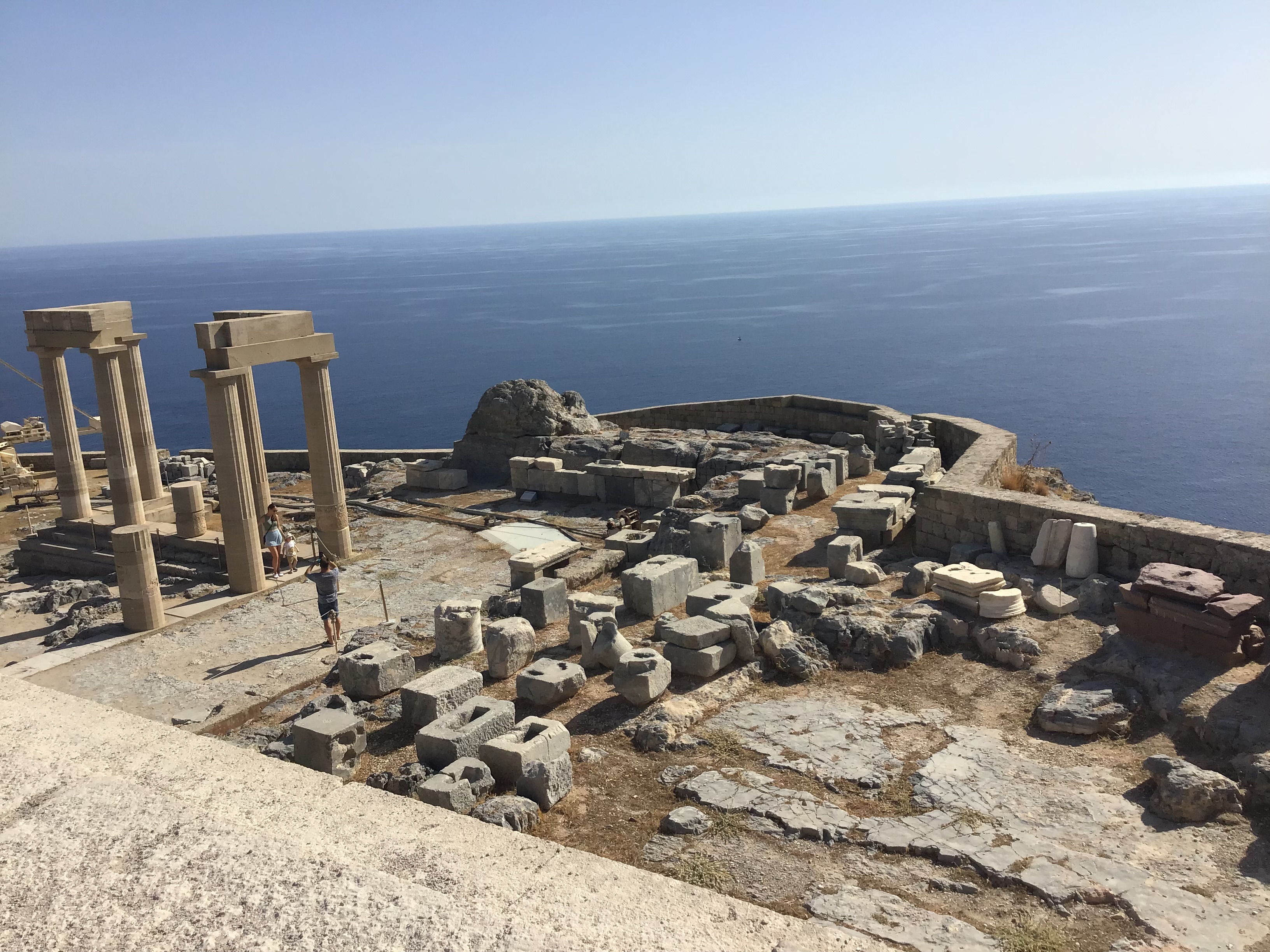
This morning, John Moore gave us great perspective on what we were to see on the island of Rhodes today. He showed how the various attempts at unification in the Roman Empire led to the rise of the west and the east and how that eventually gave rise to the western (Catholic) and eastern (Orthodox) church several hundred years after the New Testament. Those churches adopted the structural organization of the empire and filled the power vacuum that arose after the disintegration of the western half of the empire (Rome). The east, whose capital was Byzantia, gave rise to the time known as the Byzantine period (the city was renamed Constantinople after the Roman empire who moved his base of operation there). Following the beginning and rise of Islam, there were efforts made to stop the spread of that religion and retake Jerusalem and Palestine.

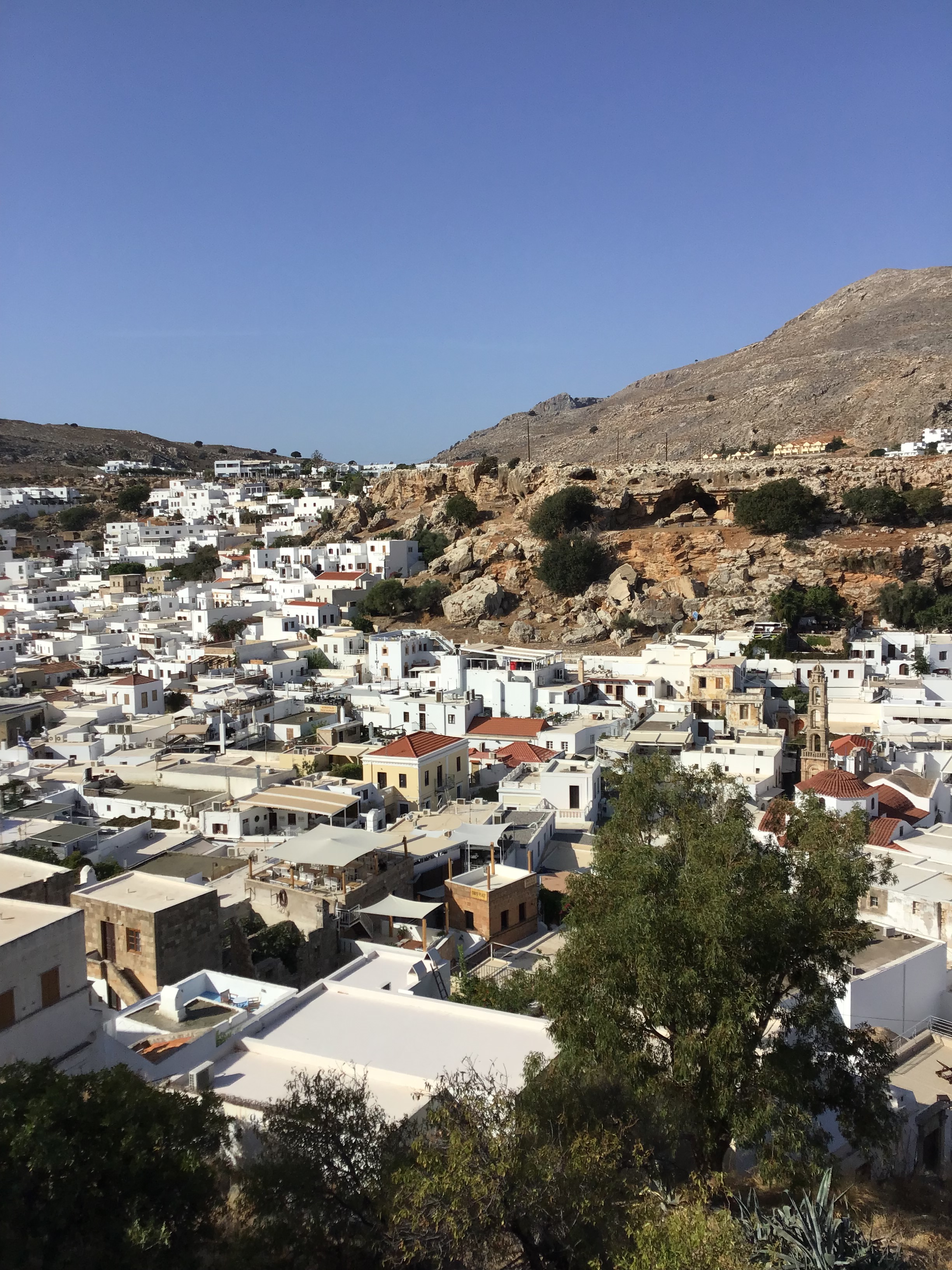
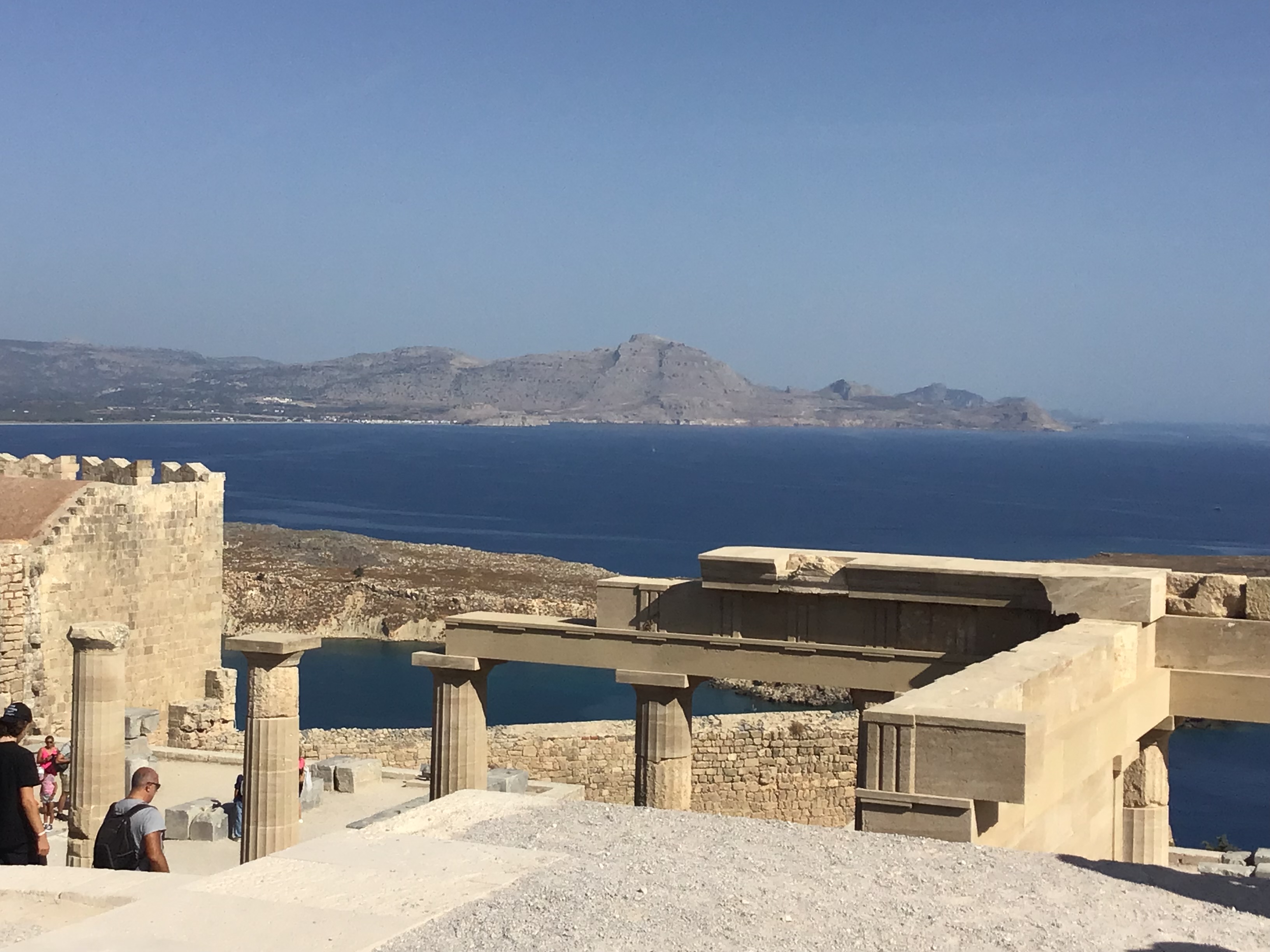
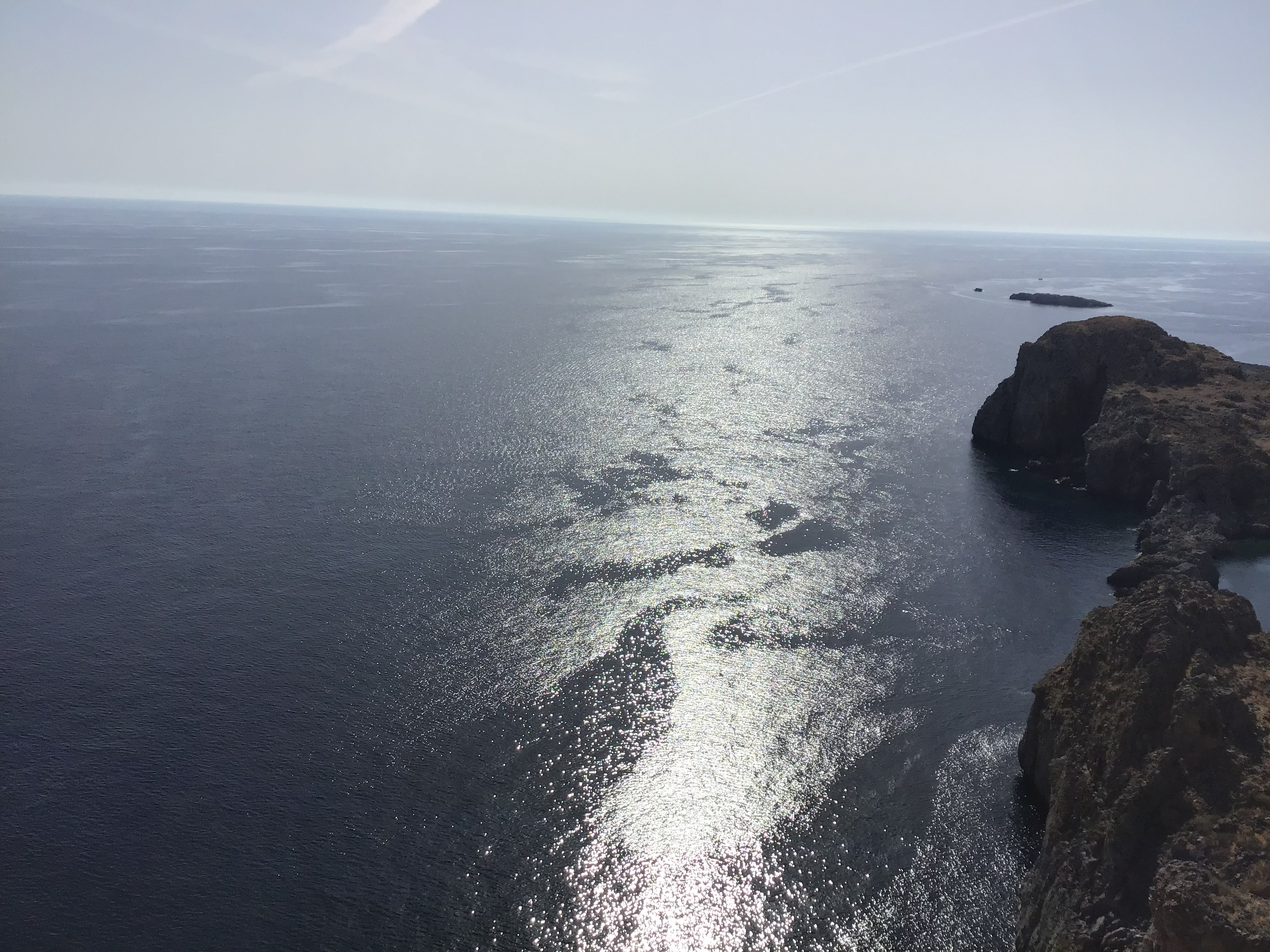
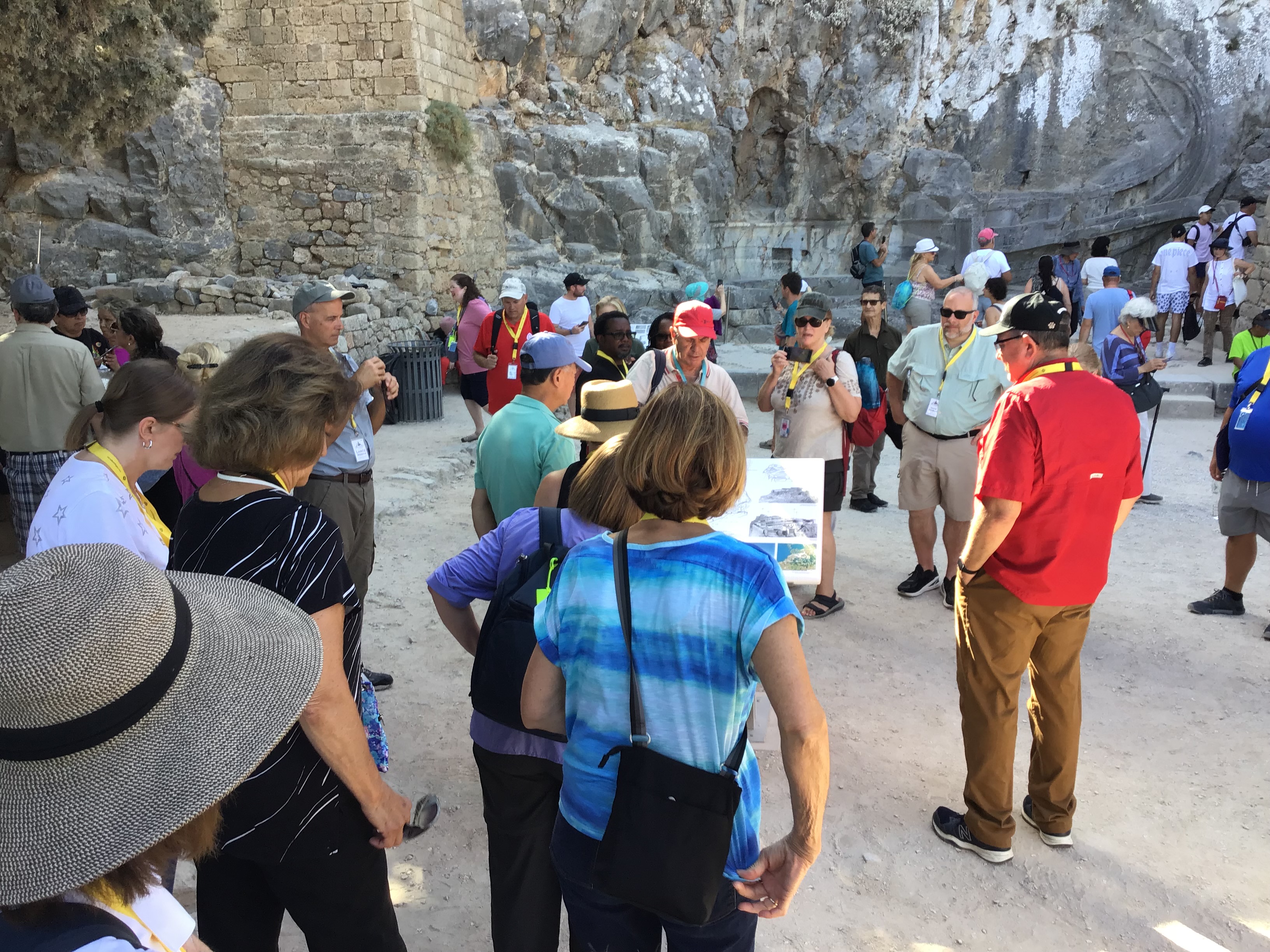
Our trip into Rhodes helped give us an appreciation for efforts in these periods of time. Also, up at Lindos at the very north end of the island, tradition has arisen that this was the port where Paul landed en route to Rome. The port in this village is known as St. Paul’s Bay. John believes the port city where our ship is docked in the more credible site given its position to the route Paul would have taken from Rhodes to Antioch. We know from Luke that Paul spent time on Rhodes, but how long is uncertain (Acts 21:1).

It is fascinating to think about the amount of ground Paul covered spreading the gospel. He embraced his role as the apostle to the Gentiles and took the good news far and wide. That includes the island of Rhodes.

Bible Land Tours (Mediterranean)(IX)

Neal Pollard

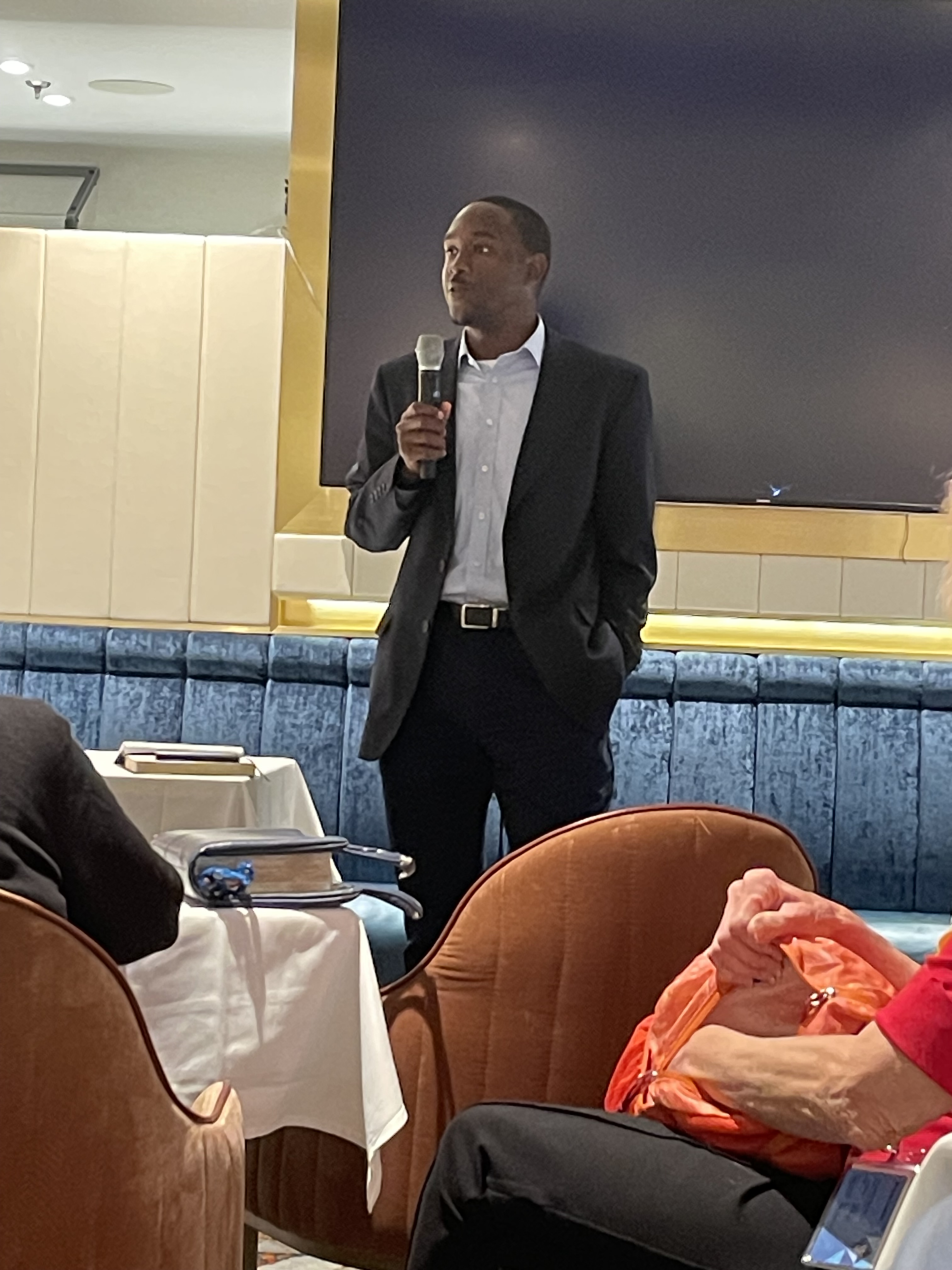
Today was a special day, not just because it was our last day in Turkey or an exciting holiday for the Turkish people that included being buzzed by fighter jets. It was special because of both God’s people and the privilege of worshipping God in such a meaningful way. We met for worship this morning in a large conference room. We had about 10-12 guests from the ship in addition to our Bible Passages group of 56. Among the several who led us in worship were Lehman’s Clint Raymer, Andrew Gott, and Hiram Kemp. Hiram’s sermon was an excellent look at 1 Peter 3:10-12, written to churches all around the very area that is the country of Turkey today (cf. 1 Pet. 1:1).

Afterward, many of our Lehman members spent several hours walking around Bodrum, seeing an archaeological museum devoted to underwater wreckage recovery. The finds went back to the 14th Century B.C. and included a ship from almost 1500 years ago that was retrieved and placed on display. It was yet another opportunity to experience the history of the areas we’re traveling in. We also were able to spend some time looking in the markets.

It was wonderful to fellowship with God’s people from all around the country and wonderful to fellowship with the brothers and sisters we spend so much time with. To do so in what was Asia Minor is a visual illustration of how we must continue to build God’s family for the generations to come. Tomorrow is another day in which we will be where the Bible records Paul’s steps. It will be exciting to continue that odyssey!

Bible Land Tours (Mediterranean)(VIII)

Neal Pollard

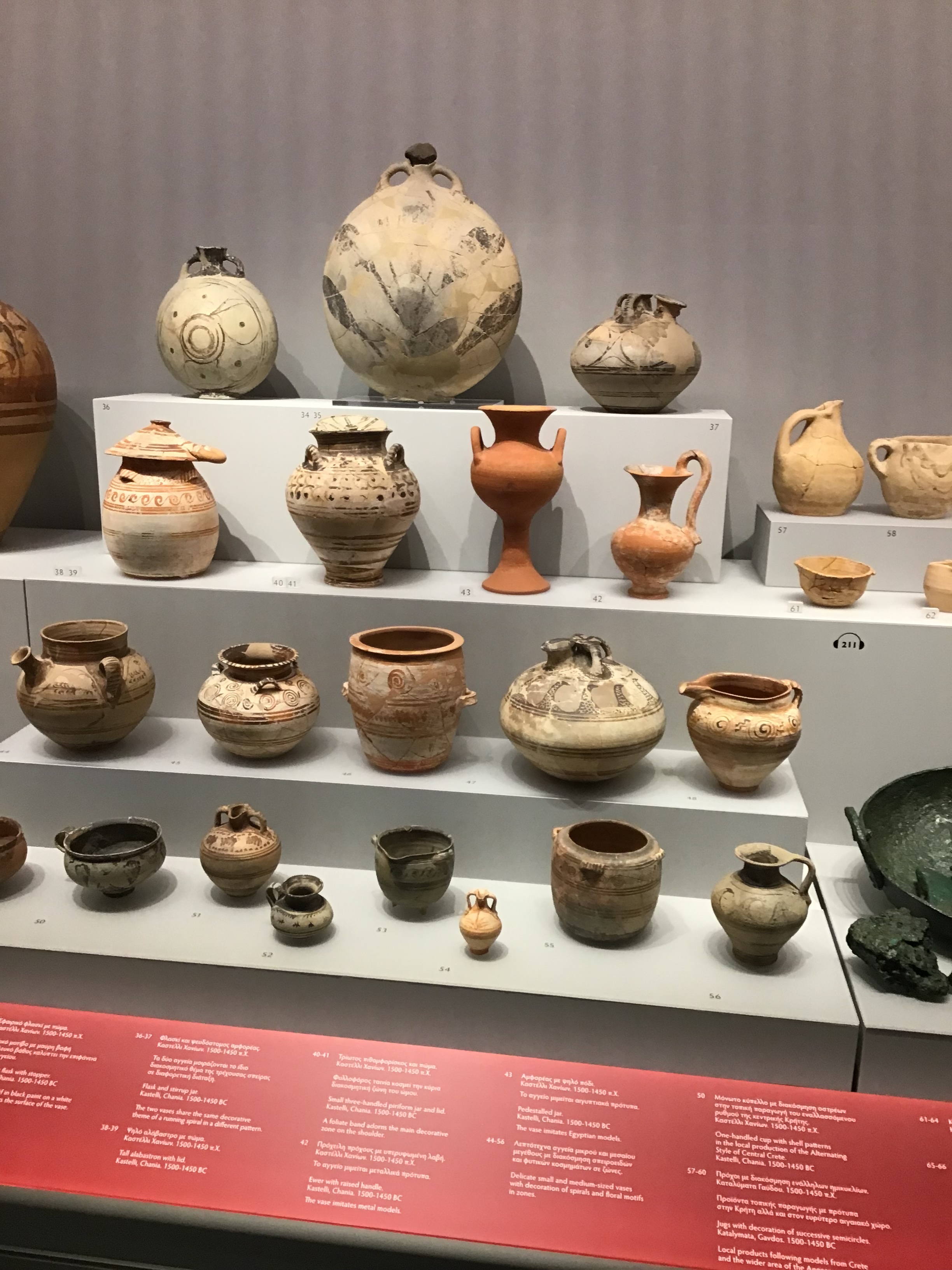
Today was an unexpected and pleasant surprise. We docked at the Souda Port in Crete and set out to see the Archaeological Museum of Chania.

It had an impressive array of artifacts going back to early Minoan civilization, millennia before Christ.

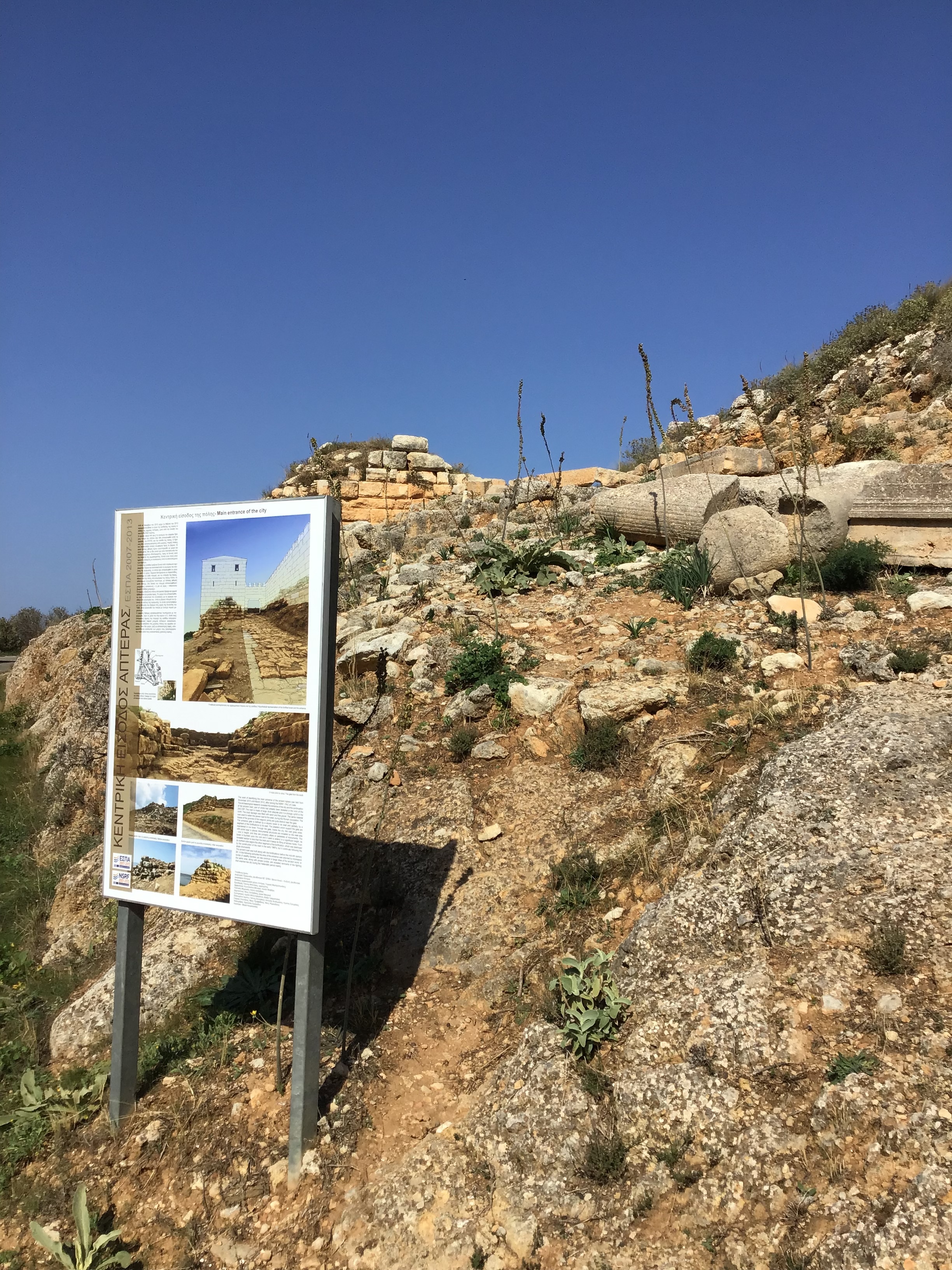
While there, we learned of Roman ruins not far from the museum, so we hired a minibus for our group of ten and headed to ancient Aptera. As one site describes it, “Aptera was inhabited since Minoan times (the first reference of the city Aptera as A-pa-ta-wa is traced in Linear B tablets coming from Knossos in the 14th- 13th century BC) but it only became a significant city around the 8th century BC. Its location above the bay of Souda was also strategically important: close to its two seaports Minoa (today’s Marathi) and Kasteli (near Kalyves) Aptera could control the circulation of ships and it became a very important trading post in Crete and one of the greatest cities on the island” (https://www.west-crete.com/aptera.htm).

Ultimately, it was taken over by the Romans and made over into a Roman city and fortress. During the time in which Paul and Titus lived, it would have been thriving and operating at its height. It would be destroyed by an earthquake in the fourth century. These ruins have been partially restored.

Crete appears in the New Testament starting in Acts 2:11. Paul and the other passengers on the ship bound for Rome stop there (Acts 27:8). Later, Paul urges Titus to appoint elders in every city in Crete, as well as urge the members to focus on “good deeds” among the ill-reputed Cretans (Titus 1:12). Crete may have been Caphtor of the Old Testament (Jer. 47:4; Amos 9:7). But the gospel reached these shores, perhaps as early as the 30s AD. It was exciting to walk where Paul and his trainee, Titus, once worked. It’s sad to know the church is not currently there, but the same gospel that reached them the first time is still as powerful today!

Bible Land Tours (Mediterranean)(VII)

Neal Pollard

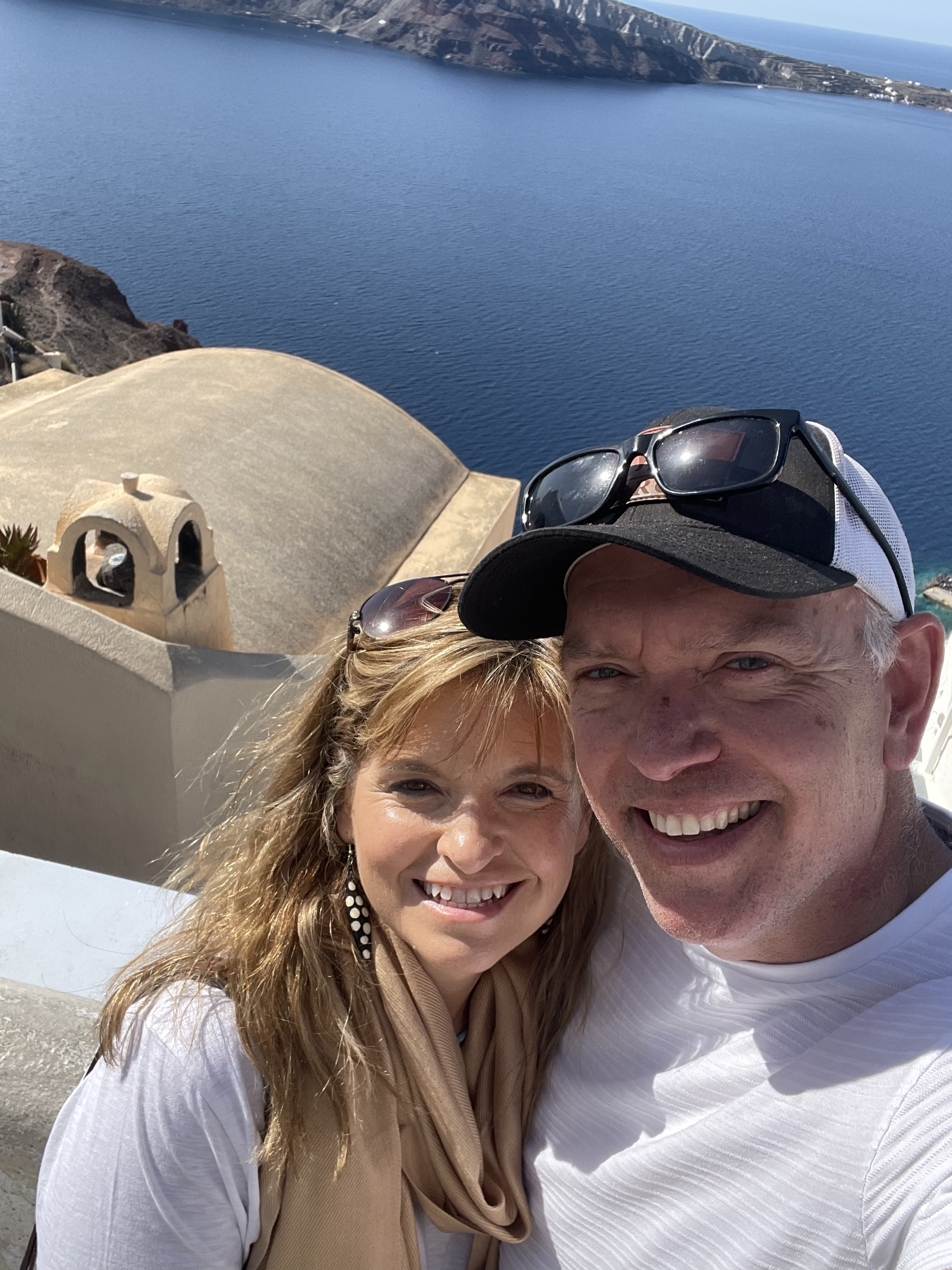
Today was a free day. We made a stop that almost undoubtedly the apostle Paul nor any other Christian in the New Testament ever made: Santorini. According to multiple sources, Christianity did not make an appearance on the island until the third or fourth century. What this Greek island is known for is its explosive history and the breathtakingly spectacular beauty that resulted from it. While some have tried to “explain” (or explain away) the Ten Plagues in Moses’ day by suggesting it was the result of the massive volcano that erupted there 3500 years ago, there is no doubt that a powerful volcano destroyed all life living there. In fact, it has erupted many times (more information here: link). Some have linked the volcano of Moses’ day to the lost city of Atlantis.

Today, it is yet another example of God’s great creative power. Even in a fallen world, we can see stunning beauty in places like Santorini. It’s vivid blue waters, which almost look painted between crags and cliffs, sit atop a giant caldera (large volcanic crater formed by a major eruption leading to the collapse of the mouth of the volcano). The caldera is about 7.5 by 4.3 miles, surrounded by cliffs almost 1000 feet high on three sides. Kathy and I traveled to two cities on Santorini today, then rode over to Nea Kameni and Palea Kameni (small uninhabited volcanic islands that have formed over the past 2000 through repeated eruptions of lava and ash).

It was an enjoyable day to spend with Kathy and see God’s creation. Tomorrow, we will visit another place where Paul walked and likely worked. The island of Crete is familiar to us through Acts 27 and the book of Titus, as well as a possible, surprising Old Testament connection. We’ll see tomorrow!

Bible Passages Tour (Mediterranean)(VI)

Neal Pollard

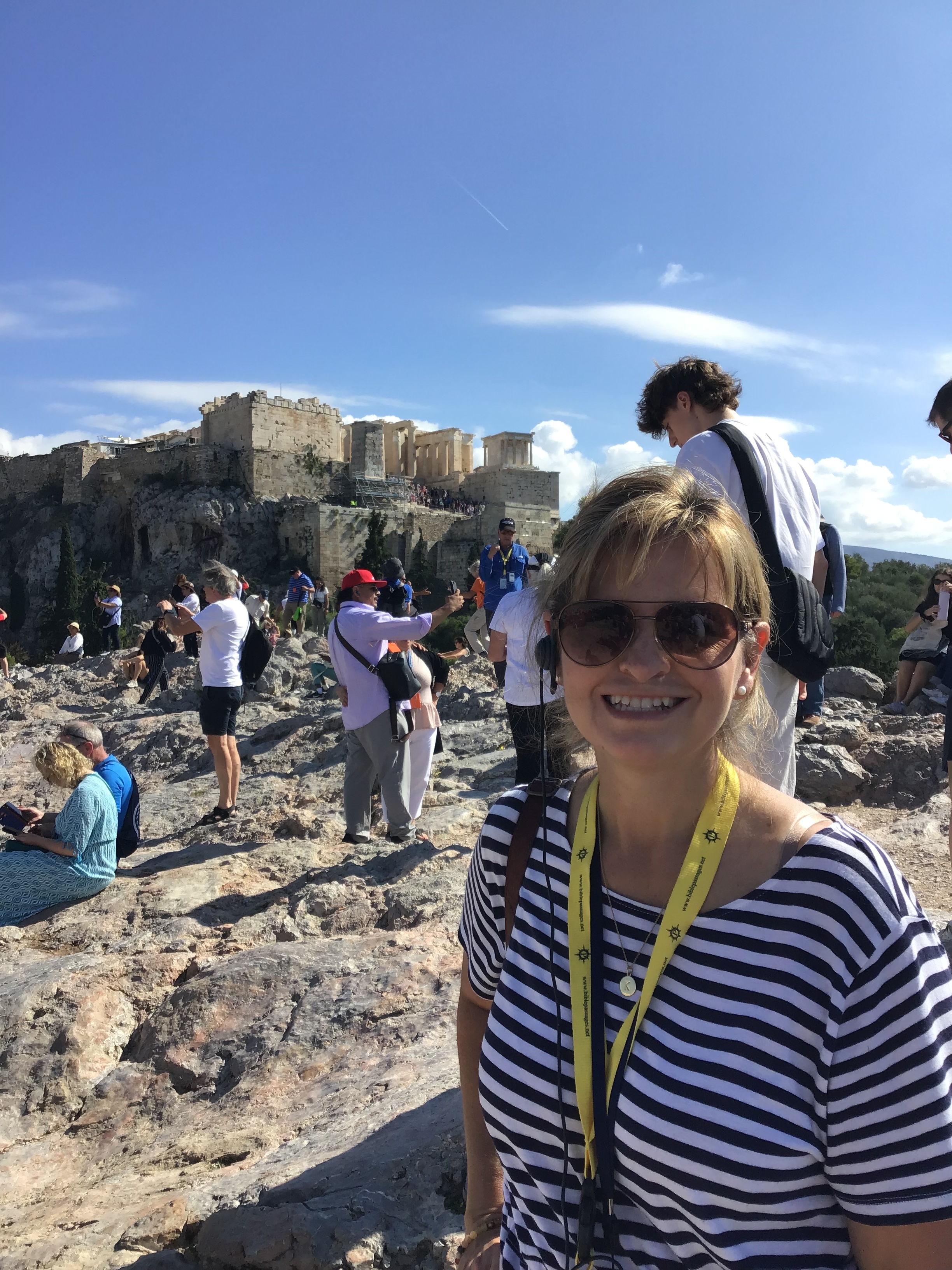
The Acropolis towers over the 4.5 million people who call Athens home. From nearly any point around this iconic spot that looms 450 feet above sea level, you can see it from the heights. In Acts 17, we see an example of the division of labor with Paul and his fellow-missionaries. Timothy and Silas have stayed behind doing follow up in Thessalonica while Paul goes on to Athens. Cosmopolitan man of education and experience that he is, Paul is still agitated and disturbed by the rampant idolatry of the place.

Visiting the city today, you see evidence of the mythology of Poseidon and Athena complete with temples dedicated to their honor and that of so many gods. Paul began as he always did in any new place, attempting to reach the Jews in the synagogue (Acts 17:17) while also making effort to evangelize in the marketplace. The Epicureans, rugged individualists and materialists, and Stoics, devoted to reason above all else, were intrigued and incensed by Paul’s “new teaching” (Acts 17:18). These philosophers brought him to the Aeropagus (hill of Ares in the Greek; “Mar’s Hill” in the Latin) so he could explain himself.

Many believe that, just as Socrates had done over 450 years earlier, Paul was called before their supreme court and tried for his “strange” beliefs. There are parallels between Socrates defense and Paul’s. Second, Dionysius, who will believe Paul’s preaching, is an Aeropagite or judge on this court. Third, it fits with Luke’s theme of Paul testifying before magistrates–the Philippian magistrates, the Corinthian proconsul, the Roman governors at Caesarea, the Jewish Sanhedrin, King Agrippa, and, ultimately, the Caesar. If it was a trial, it was also a masterful sermon. Paul uses their own philosophy, their own philosophers, and their own presuppositions to preach God and the resurrection of His Son and the judgment to come.

Standing on Mar’s Hill this afternoon, with the Parthenon jutting out on the Acropolis across the way, I thought about how Paul was given such a huge forum and he rose to the occasion. He gave us a masterful example of how to reach the unbelieving, biblically illiterate of any age. Ultimately, his message centered on the resurrection and the responsibility we have to stand before God, that we must believe that God is and that He is a rewarder of those who diligently seek Him (Heb. 11:6).

Right before we went to the top of Mar’s Hill, the preacher for the church at Athens, Dino Roussos, spoke to us about this event and even quoted (in Greek, of course) a portion of Paul’s sermon. How great to see the Lord’s church alive in a city where it seems Paul had, at best, only nominal success! How thankful we continue to be that Paul was willing to boldly go where no Christians had gone before to plant the first gospel seeds that are still producing today!

Bible Land Tours (Mediterranean)(IV)

Neal Pollard

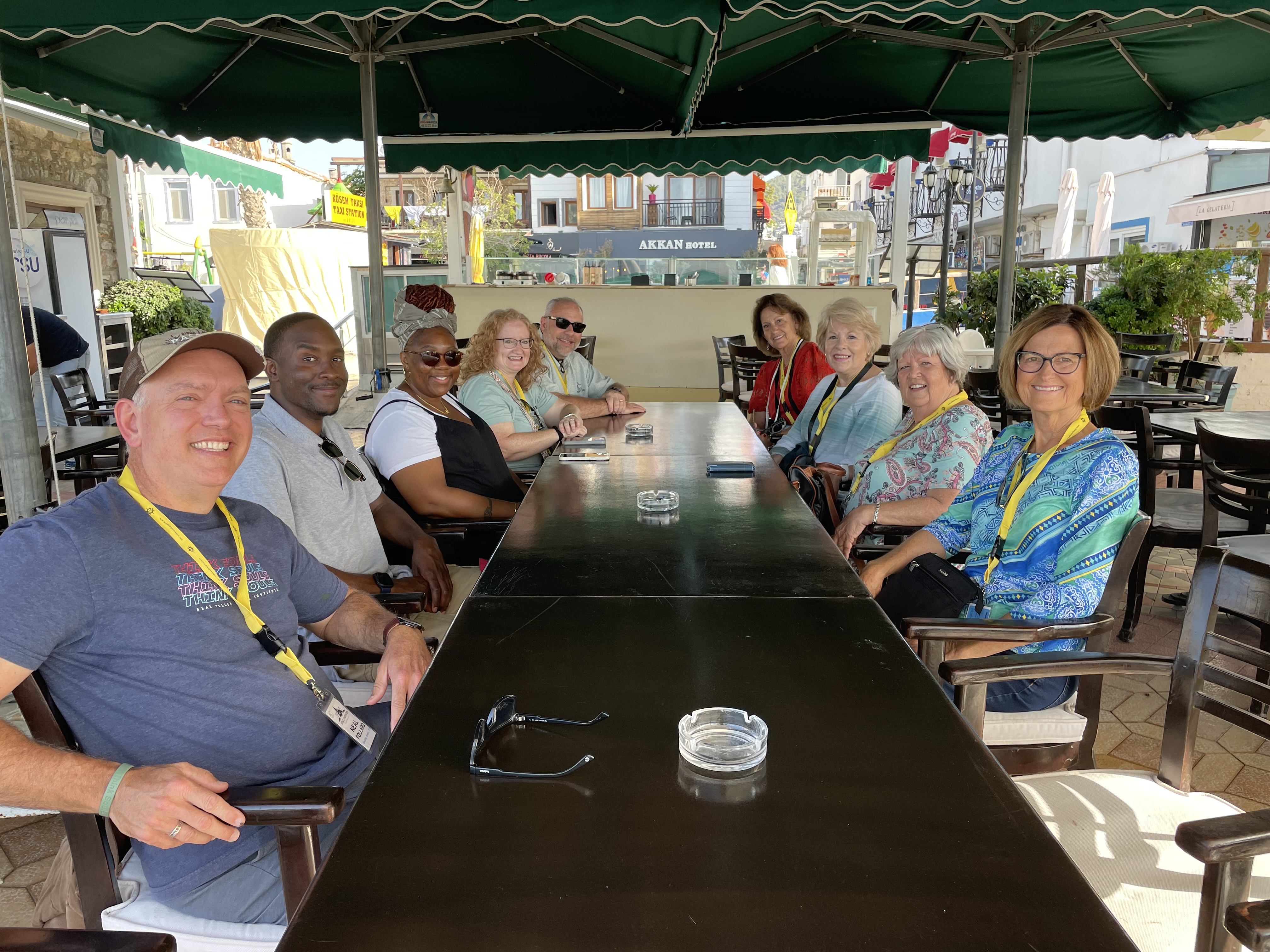
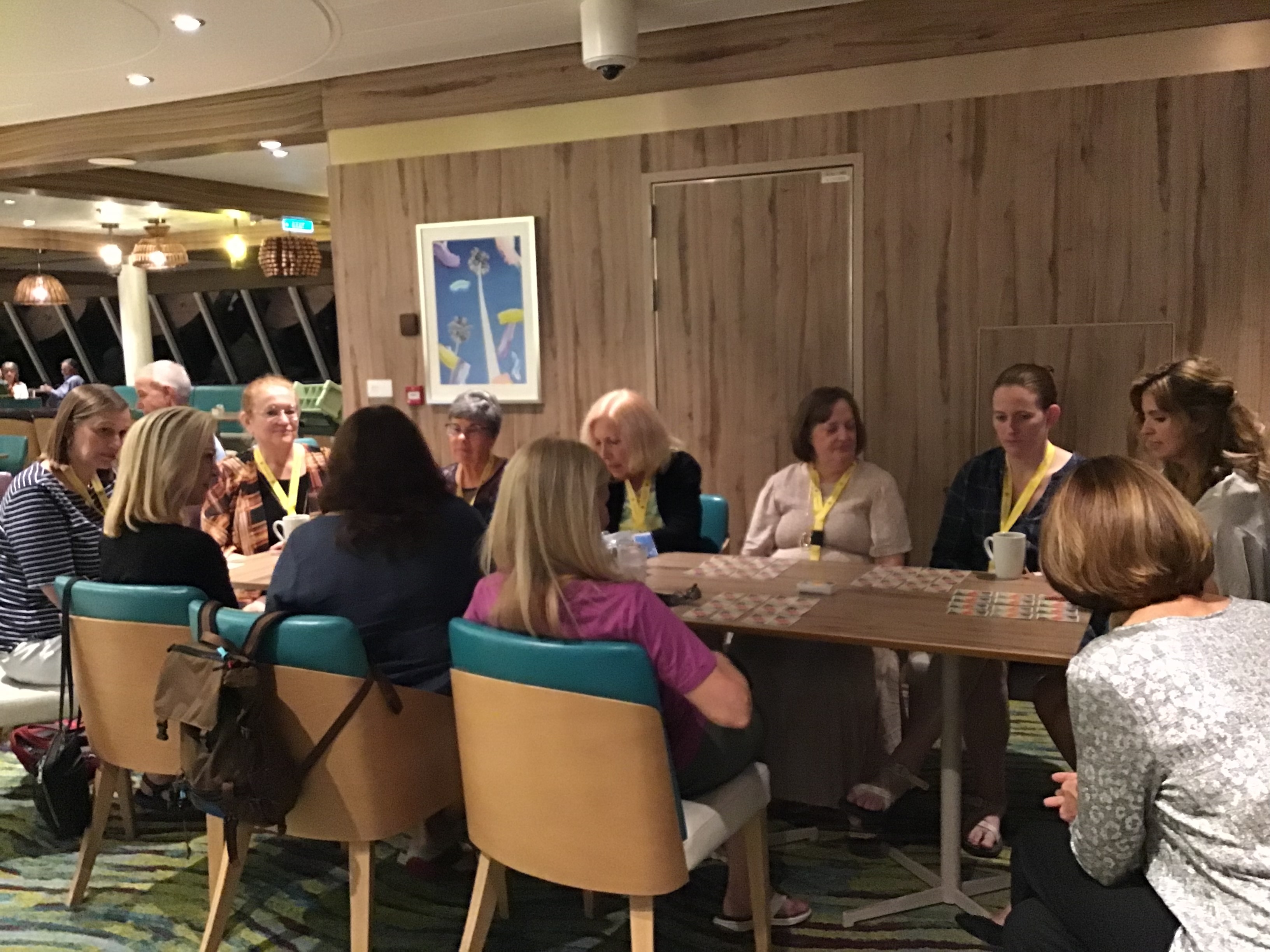
Today was the first day we did not leave the ship, but we were able to get a preview of Ephesus from John Moore as we considered one of the most important cities of the New Testament. We This day was a day about fellowship. One of the great things about a trip like this is that you get to spend quality time with brothers and sisters you go to church with or that you just met. Each night, like right now, we have the opportunity to spend time playing cards and visiting. Earlier today, there were opportunities to do bumper cars, go to the gym, or other activities with brothers and sisters in Christ. That is a serious benefit of a trip like this.

When we study the early church, we see that from the very beginning they made time to be together. The church was established in Acts 2:41, then in the very next verse we read, “They were continually devoting themselves to the apostles’ teaching and to fellowship, to the breaking of bread and to prayer” (42). They were close because they shared a common bond, had the same worldview and God-view, and they faced the same challenges of growing their faith in adverse circumstances. They shared so much together (1 Cor. 10:16). Fellowship was precious (1 Jn. 1:3,7).

Tomorrow, we embark again on a tour of a biblical site. We will have that memory in common. But, even when we return to the ship, we will continue to share! That’s just the way God set up His church!

Bible Land Tour (Mediterranean)(3)

Neal Pollard

The ship left dock yesterday evening to begin our tour through the Mediterranean. Today, we visited an iconic site that at first glance may seem to have no biblical significance. The city of Pompeii and its lesser-known neighbor, Herculanum, were destroyed by a massive volcanic explosion in 79 A.D. Herculanum, much closer to the blast, was much more destructive to its inhabitants while the city of Pompeii was almost perfectly preserved due to its being covered by ash which did not vaporize buildings and houses.

There is some theory that there were a small band of Christians in the city when the catastrophic natural disaster occurred. Beyond that, the city was thought by Jews and even Romans to be a judgment against the rampant sin and immorality of the city or a divine judgment, from the Roman historian Cassius to the Sibylline Chronicles. While we cannot know that, we know that there will be a judgment none will escape at the end that God wants us all to be prepared for.

Before we returned to the ship, we were able to see where Paul docked in Italy. The small port in Puteoli is near the modern city of Naples (Napoli). Luke records this fact for us in Acts 28:13.

It was impressive to see what the first-century world was like where Christians had to swim against the massively immoral tide of their culture and society. Spiritual darkness must have seemed eclipsing at times, but they had the boldness to live their faith even in wicked cities like Pompeii. We have so much to be thankful for as we consider the relative ease with which we can express our faith and share it today! It is not always that way. It did not seem to be in southern Italy near the end of the first-century.

Bible Land Tour (Mediterranean)(II)

Neal Pollard

Today, we completed our land tour of Rome. I mentioned that there are 56 of us, ranging in age from teenagers to pushing 80. So, we move different speeds and are in different degrees of health. We are often having to go far and somewhat fast, requiring patience on the part of everyone. It has been pretty hot and sunny all weekend, too! Would you believe that everyone has kept such a great attitude and been so pleasant? Of course! We have been with God’s family, who you would expect to act more like Him than anyone else.

This morning, we all piled into our tour bus (packing about 90 bags into the bottom of it) and made our way to meet with the “Chiesa di Cristo” in Rome. This church of about 30, which has two elders, welcomed us with open arms. Some of their brethren led us in worship, some of our group led us in worship, and we sang, prayed, heard the word proclaimed, contributed, and observed the Lord’s Supper together. We sang in Italian, in English, and even in Xhosa (a South African language). We greeted and talked as best as we could with the language barrier and got to know some of each other’s stories. It was emotional.

I thought about what happened to Paul right before he was arrested and wound his way to Rome to appeal to Caesar. Nearing the end of his third missionary journey, he met in Miletus with the elders of the church at Ephesus (a city we’ll visit later this week)(Acts 20:17-38). Paul had worked with them for three years. At their parting, they wept, hugged, and said an emotional goodbye. The next place we know that he stopped was at Tyre (past Cyprus, which we plan to visit next week) in Acts 21:3-6. Paul and his fellow-missionaries were with these Christians just a few days. When they said goodbye, it was still an emotional, heartfelt goodbye.

That was the general feeling as we pulled away from brethren we only knew a couple of hours. Separated by language, culture, and background, we felt the bond of Christ strongly! It was hard to leave. It was wonderful to be there, to be with God’s family. How eternally wise our God was in building the church like He did. We will make some lifelong friendships as we tour so many places where Paul once walked and preached. We will have difficulty saying goodbye to some we’ve known and others we’ve met. But, that’s always the way it is when you’ve been with God’s family! They are the best!

Bible Land Tour (Mediterranean)(I)

Neal Pollard

56 Christians from Arizona, Arkansas, California, Colorado, Kentucky, Michigan, Mississippi, Nebraska, South Carolina, Texas, and Virginia converged on the Hotel Gioberti in Rome, Italy, to begin a tour of places where the great preacher, evangelist, writer, and leader, Paul, shared the gospel of Christ. We began where it all ended for him: Rome. While our visit to where it all began for him, Israel, will sadly not be a part of our itinerary due to the tragic events now occurring there, we will visit a great many places where he helped fulfill Christ’s Great Commission in incredible, far-reaching ways.

He longed to get to Rome to “obtain some fruit among” them (Rom. 1:13), converting the citizens of that city the same as he had in so many other places. We know from Acts 28 that he did reach this city. This weekend, we saw what he found in his day. Emperors who would be declared gods by their senate, idolatry and the worship of gods of war, water, the sun, and a pantheon of others, and immorality like that described by Paul in Romans 1:18-32. Perhaps the first Christians came to Rome after hearing the first gospel sermon and obeying it (Acts 2:10). There are plenty of Christians to greet Paul as he approaches Rome in chains (Acts 28:14-15).

We encountered a city with stunning architecture, engineering marvels, Renaissance giants, and rich history that spans across, as John Moore eloquently put it, three eras–the pagan era, the Christian era, and the modern era. In a few hours, we will assemble with the saints at the church in Rome. It will be an exciting opportunity to meet in the capital city of what was, in the first century, the center of a global empire into which Christianity was born (Dan. 2:40-44). Standing in the midst of that city, imagining what our first-century spiritual family not only encountered but also endured, is a rare and beautiful opportunity to appreciate the power and spread of God’s eternal truth even in unfavorable social and political circumstances. It is a reminder, as Paul first put it, of the power of the gospel of Christ that brings salvation (Rom. 1:16). As Paul exhorted the Christians at Rome, I must not be ashamed of that gospel!