

Neal’s Note: While I personally enjoy this series and don’t think there is anything wrong with watching it, I appreciate Brent’s caution to not let religious entertainment replace our responsibility to get our theology from careful Bible study (2 Tim. 2:15).
Paul immediately addresses Timothy, his young son in the faith, with a warning about the Judaizers (1 Timothy 1.3–7). If you look closely at verse seven, you’ll notice that Paul says those who want to teach the Law have no idea what they’re saying. These Judaizers may wish to appear knowledgeable, but their ignorance renders them unqualified to instruct. 1 Timothy 1.7 cautions against false teaching and highlights the importance of sound doctrine.
While we quickly see this about a group like the Judaizers, is it not also true of those who would unintentionally do the same? It is safe to say that many people have good intentions but fail to grasp the actual harm they cause by teaching something false. Take Apollos as an excellent example of this. Apollos believed that the baptism of John was still valid and preached as much. Fortunately, Priscila and Aquila were there to correct him privately (Acts 18.24–28).
But the damage Apollos inadvertently caused had already been done. In Acts 19.1–7, Paul encountered twelve men who had obeyed the teaching of Apollos. Paul corrected their misconception and assisted them in rendering obedience to the gospel of Jesus Christ. Imagine the fate of those twelve men had Paul not run into them in Ephesus! Given that we know Apollos’ heart, this was not his intention. However, confidently teaching things from ignorance has repercussions.
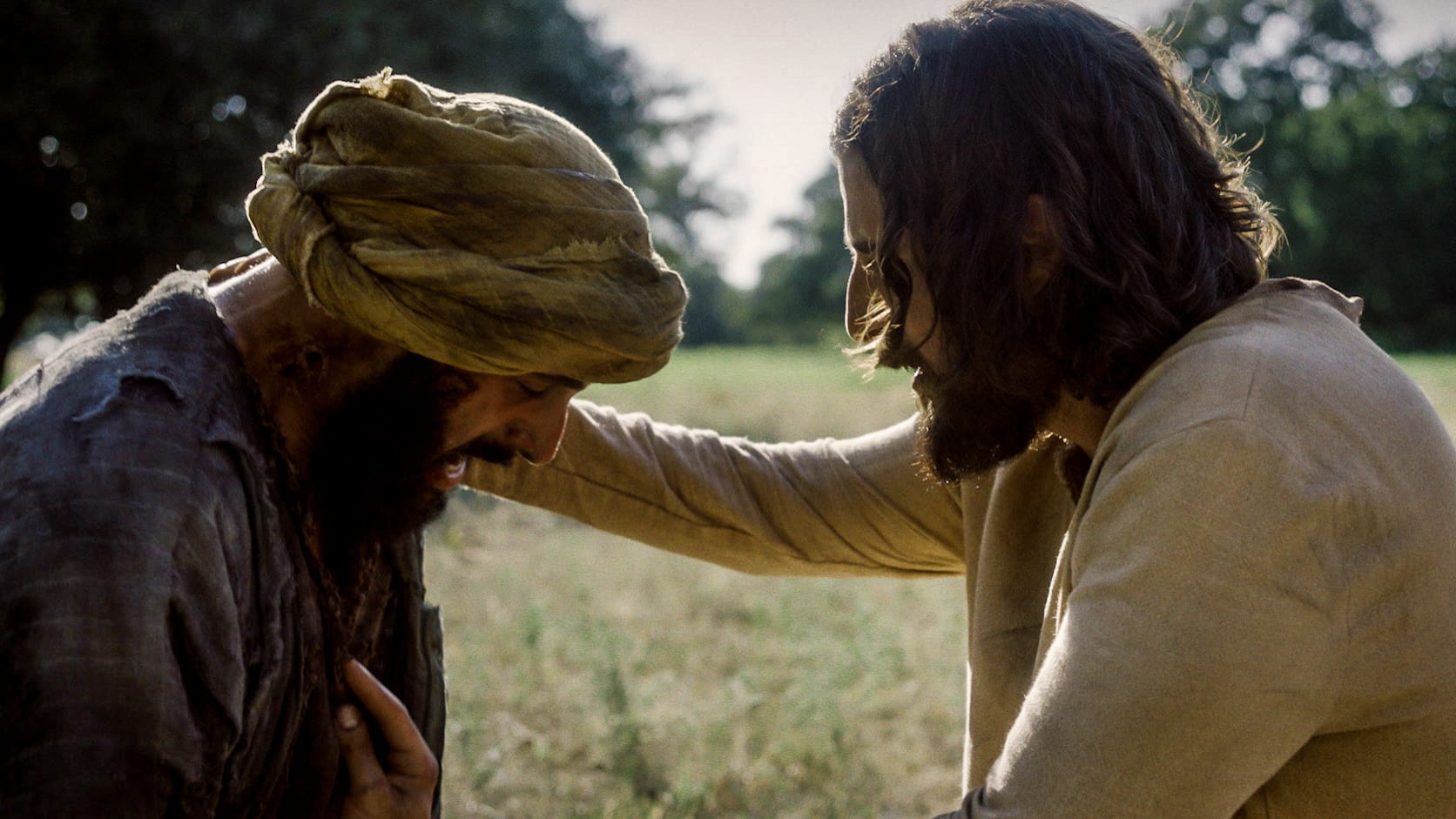
I imagine I am about to step into some hot water, but it is necessary to do so as I hear more and more of my brethren extolling the virtues of Dallas Jenkins’ The Chosen. The series itself begins with a disclaimer that many will likely ignore. The Chosen’s producers tell us, “Backstories and some characters or dialogue have been added.” They then add, “However, all biblical and historical context and any artistic imagination are designed to support the truth and intention of the Scriptures.” (“I Have Called You by Name”)
Without even delving into the show itself, one should be alarmed that they freely admit that they have made additions to the Gospel story. In God’s Word, we are warned several times against adding to or taking from the Word of God (Deuteronomy 4.2; 12.32; Proverbs 30.6; Revelation 22.8). We should also be wary of what follows when Angel Studios says they derive this from an artist’s “imagination.” In his original dictionary, Noah Webster notes that imagination is a “conceit; an unsolid or fanciful opinion.” (“Webster’s Dictionary 1828 – Imagination”) So why do we want such a production about the Son of God?
As soon as the first episode begins, we learn that the pharisee Nicodemus is an exorcist, Peter and Andrew are having tax issues, and Matthew has some intriguing quirks, which later episodes explain are due to his Aspergers! That is a lot to unpack in a show that purports to help me better appreciate the life and mission of Jesus and His followers. Nevertheless, the response is nearly unanimous about why the show appeals to most of those I have spoken with. Viewers love the portrayal of Jesus in His humanity—a compassionate man with a good sense of humor.
I appreciate that. I admit that the actor portraying Jesus does a wonderful job. I, too, love the idea of my Lord smiling and palling around with His disciples. But I need help to sit through something otherwise potentially misleading to appreciate what Jonathan Roumie brings to his portrayal of my Lord. There is too much for me to ignore willingly.
The objector says this could be an excellent way to introduce the lost to Jesus. Though I appreciate any tool that can help evangelize others, this is something on which you have to spend a lot of time explaining how it differs from the Gospels. It ends up accomplishing what other pop-culture phenoms and Christian-based fiction have produced. How many eschatological views do people hold that are more “Timothy LaHaye” than biblical? How many visuals of the war in heaven do people erroneously subscribe to, thanks to John Milton’s Paradise Lost?
As Christians, we have liberty. So, I don’t want to hinder anyone from watching something entertaining that is undoubtedly more wholesome than any secular programming one might watch. As portrayals of Jesus go, this is not blasphemous like The Last Temptation of Christ or as disorienting as imagining Clueless alum Jeremy Sisto as God’s Son in Jesus (1999). But, please, “caveat oculus”—let the eye be careful. Nobody wants to stand before God’s judgment seat and discover that they are lost because they blindly believed something false confidently taught to them by another.
1 “I Have Called You by Name.” BYUtv, 18 Apr. 2019, www.byutv.org/413b4c41-0bc2-405e-a10b-7fd147d3c607/the-chosen-i-have-called-you-by-name.
2 “Websters Dictionary 1828 – Webster’s Dictionary 1828 – Imagination.” Websters Dictionary 1828, webstersdictionary1828.com/Dictionary/Imagination.
 The Preacher Pollard Blog