Neal Pollard
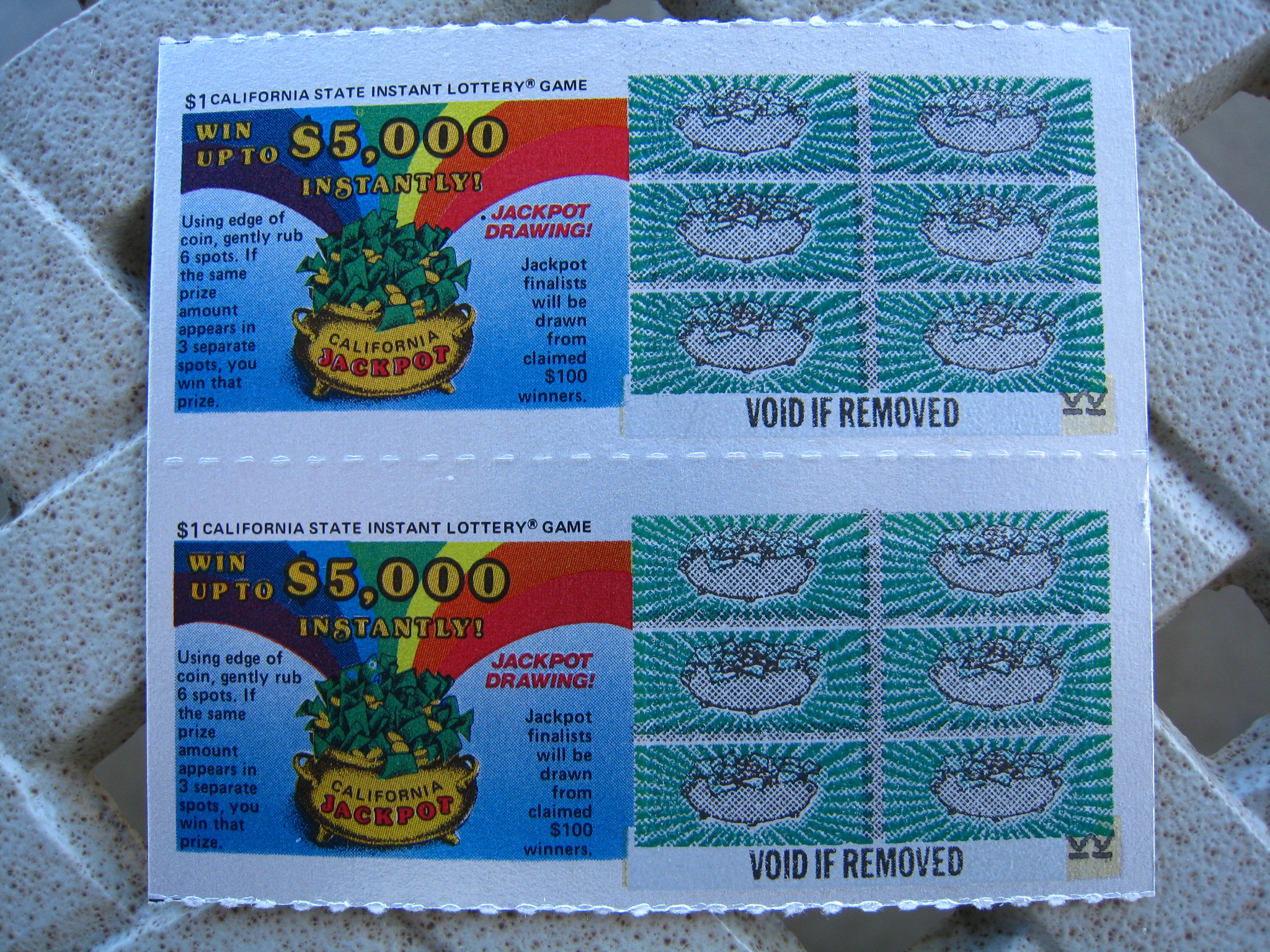
Today, we are finding out that three winning lottery tickets were sold in the record-setting Powerball jackpot, one in California, one in Florida, and one in Tennessee. Each ticket is worth $528.8 million dollars. That’s an attention-getting number. Here are a few more. $70.1 billion dollars, the amount Americans spend on lottery tickets every year (more than Americans spend on sports tickets, books, video games, movies, and music combined). $755. That’s the average per-capita spend on lottery tickets in South Dakota. $800. That’s the per-capita spend in Rhode Island, who holds the ignominious distinction of leading the nation in this category. $230. That’s the per-capita average spend of every man, woman, and child in the 43 states where the lottery is played. One-third and one-half. The poorest third of households buy half of all lottery tickets (statistics via theatlantic.com, Derek Thompson, “Lotteries: America’s $70 Billion Shame”).
Newscasters often report on these jackpots and encourage viewers to “check the numbers.” Lottery commercials often vie with beer commercials as some of the more humorous, clever ones to be seen. In the media and public venues, lottery ticket purchasing is usually portrayed as a harmless, even exciting, diversion. Perhaps many have failed to look more closely at what these other numbers mean for a person’s ethics and morality.
John A. Hobson, in the January 1905 edition of International Journal of Ethics, examined “The Ethics Of Gambling.” In an examination of gambling, including lottery contests, Hobson observes:
Gambling involves the denial of all system in the appointment
of property: it plunges the mind in a world of anarchy where
things come upon one, and pass from one miraculously. It does
not so manifestly sin against the canons of justice as do other
bad modes of transfer, theft, fraud, sweating (sic.), for every one
is said to have an equal chance; but it inflicts a graver damage
on the intellect. Based as it is on an organised rejection of all
reason as a factor, it removes its devotees into a positive atmosphere
of miracles, and generates an emotional excitement that inhibits
those checks which reason more or less contrives to place upon
emotional extravagances. The essence of gambling consists in
an abandonment of reason, an inhibition of the factors of human
control (Vol. 15, No. 2, 138).
Hobson was looking at the underlying psyche of those so eager to gain as much as possible while exerting as little effort as possible. But he decries more than laziness. He puts his finger on the most dangerous aspect of things like playing the lottery—the Bible calls it “covetousness.” It is an irrational, often compulsive, attempt to obtain wealth.
The BDAG lexicon defines the covetous person as “one who desires to have more than is due, a greedy person, whose ways are judged to be extremely sinful by Christians and many others. In Hellenic society this was a violation of the basic principle of proportion and contrary to the idea of beneficent concern for the citizenry” (Arndt, William, Frederick W. Danker, and Walter Bauer. A Greek-English lexicon of the New Testament and other early Christian literature 2000 : n. pag. Print.). Greed is not confined to practices like playing the lottery, but it is legitimate for one to ask what motivates their play?
What is clear is what Scripture says about covetousness: it prevents one’s inheriting the kingdom of God (1 Cor. 6:10), it is idolatry which again prevents inheriting this kingdom (Eph. 5:5), it is a failure to love one’s neighbor (Rom. 13:9), and it is a defilement of the heart (Mark 7:22). Let’s make sure that greed and covetousness do not “have our number.”


 The Preacher Pollard Blog