
Neal Pollard
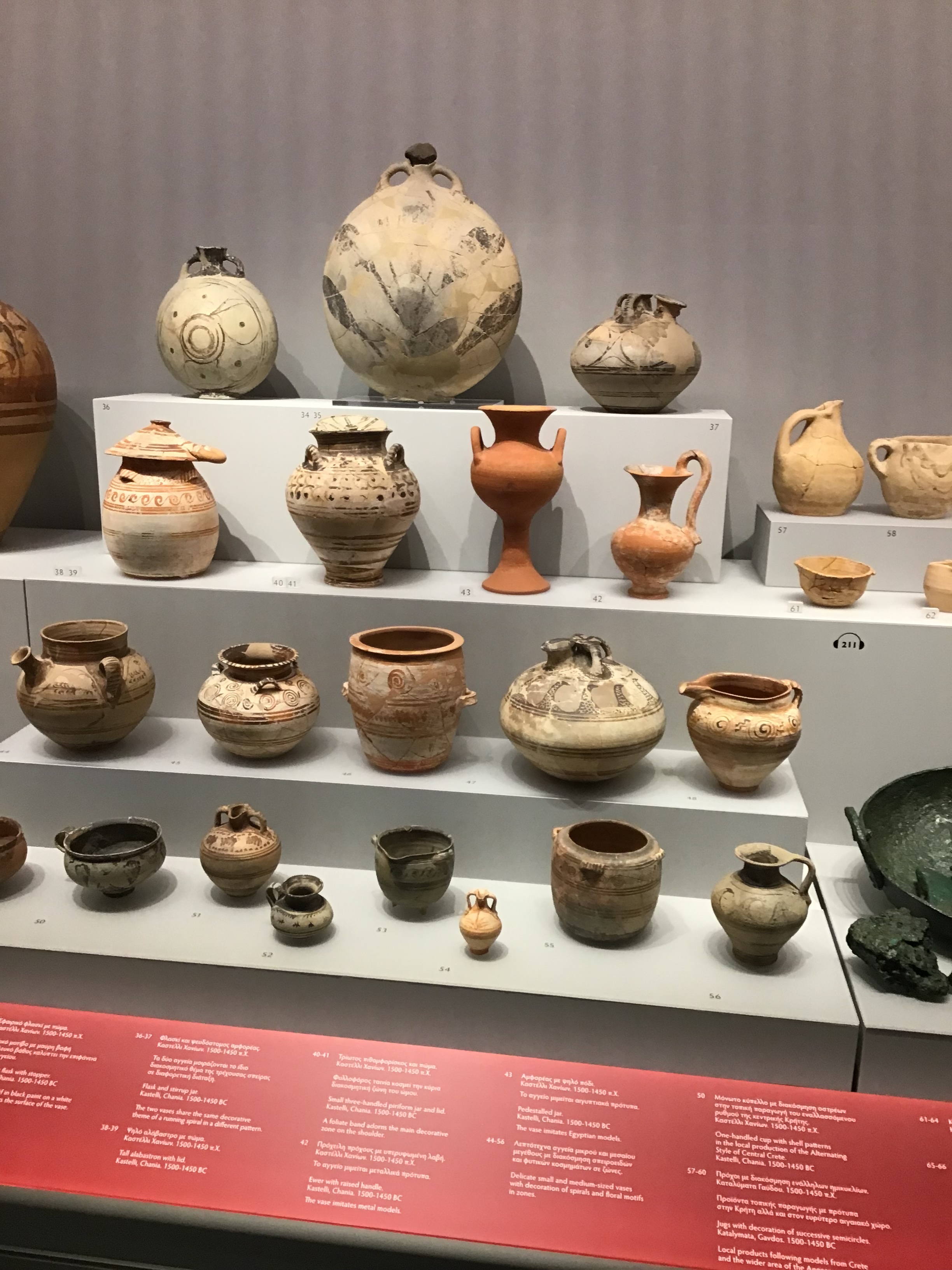
Today was an unexpected and pleasant surprise. We docked at the Souda Port in Crete and set out to see the Archaeological Museum of Chania.

It had an impressive array of artifacts going back to early Minoan civilization, millennia before Christ.
While there, we learned of Roman ruins not far from the museum, so we hired a minibus for our group of ten and headed to ancient Aptera. As one site describes it, “Aptera was inhabited since Minoan times (the first reference of the city Aptera as A-pa-ta-wa is traced in Linear B tablets coming from Knossos in the 14th- 13th century BC) but it only became a significant city around the 8th century BC. Its location above the bay of Souda was also strategically important: close to its two seaports Minoa (today’s Marathi) and Kasteli (near Kalyves) Aptera could control the circulation of ships and it became a very important trading post in Crete and one of the greatest cities on the island” (https://www.west-crete.com/aptera.htm).
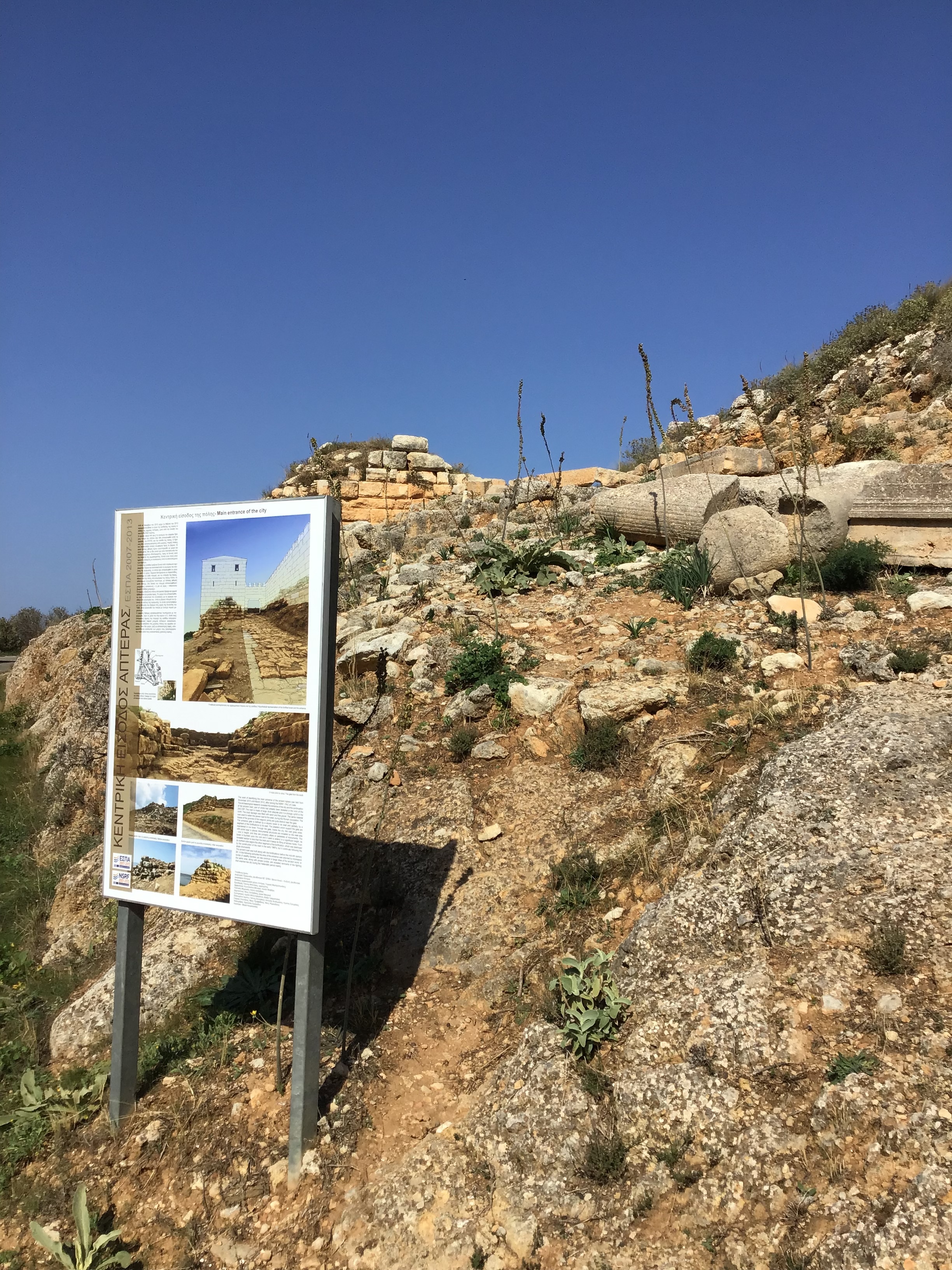

Ultimately, it was taken over by the Romans and made over into a Roman city and fortress. During the time in which Paul and Titus lived, it would have been thriving and operating at its height. It would be destroyed by an earthquake in the fourth century. These ruins have been partially restored.
Crete appears in the New Testament starting in Acts 2:11. Paul and the other passengers on the ship bound for Rome stop there (Acts 27:8). Later, Paul urges Titus to appoint elders in every city in Crete, as well as urge the members to focus on “good deeds” among the ill-reputed Cretans (Titus 1:12). Crete may have been Caphtor of the Old Testament (Jer. 47:4; Amos 9:7). But the gospel reached these shores, perhaps as early as the 30s AD. It was exciting to walk where Paul and his trainee, Titus, once worked. It’s sad to know the church is not currently there, but the same gospel that reached them the first time is still as powerful today!





 The Preacher Pollard Blog