Magic Dinosaur Bones

Dale Pollard

 I’m trying to convince my wife (Janelle) that she needs to make a podcast/Youtube series that would provide a nurses perspective on the many kinds of medicines used in the Bible as well as the medical practices of ancient cultures mentioned in the Bible. Would their medical practices actually work or make things worse? If you think that would be interesting as well, please send her a message and let’s all annoy nurse Janelle until she makes it happen. 

On a similar note, this article was written after researching a few of these bizarre medical practices.  

DID YOU KNOW…

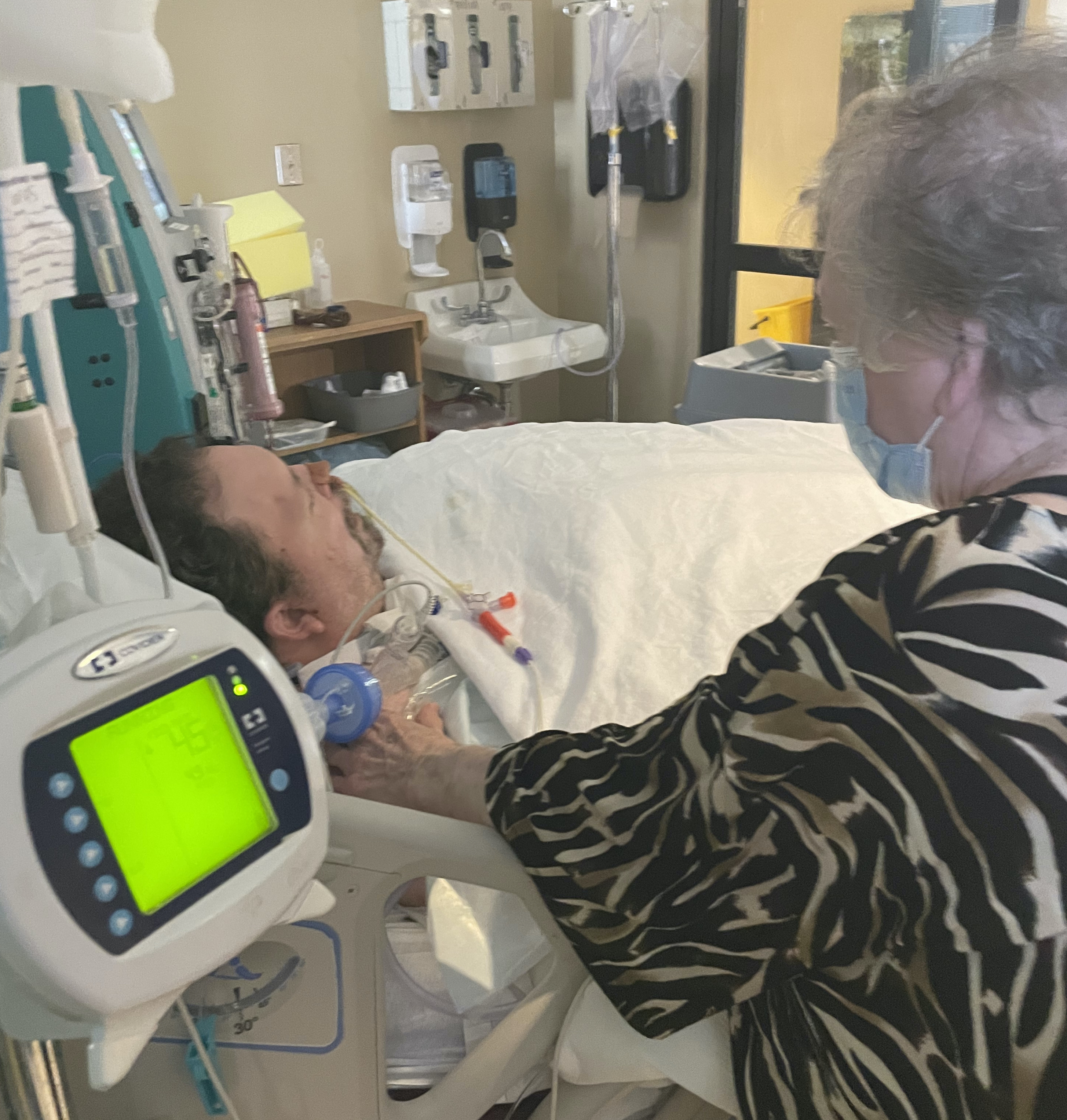
The use of dragon bones in medicine is a fascinating aspect of ancient beliefs, particularly if you view these “dragons” as possible examples of humans and dinosaurs co-existing. However, what’s really  strange is the fact that various societies around the world all decided to use the bones in such a unique way— medicine. 

For example, in medieval Europe, people sometimes discovered large bones and  believed them to hold magical properties. Powders made from these bones were used as talismans or medicinal remedies.

During the Middle Ages, alchemists often incorporated “dragon” substances in their potions and elixirs. They believed that dragon bones could enhance the efficacy of their concoctions or serve as some sort of protective charm.

Some Mesoamerican civilizations had legends about dragon-like creatures, and they used the large fossilized bones in rituals and their medicinal practices because they believed the remains held mysterious power. 

An article in the Associated Press in 2007 had this to say about the ancient Chinese: 

“Villagers in central China spent decades digging up bones they believed belonged to flying dragons and using them in traditional medicines. Turns out the bones belonged to dinosaurs…

The calcium-rich bones were sometimes boiled with other ingredients and fed to children to treat dizziness and leg cramps.”

The Bible has an interesting account about “magic” bones in 2 Kings 13:20-21. This passage recounts the power of God working through the prophet Elijah— even after his death.

Here’s a brief summary for those who might be unfamiliar with this incredible account: 

The prophet Elijah made a significant impact (perhaps the most significant) in Israel. Even after his death his prophetic legacy was admired by the people, but Elijah would perform one last miracle from beyond the grave. Some men were burying a man when they saw a raiding party coming. In haste, they threw the deceased man into the tomb where Elijah’s bones lay and when the dead man touched the bones of Elijah he came back to life and stood on his feet. 

While there may or may not be anything to the medicinal benefits of dinosaur bones as claimed by ancient cultures, there’s no need to speculate where the power was coming from in our biblical account. It’s obvious that it was God’s hand at work and not the prophet’s bones. The same can be said of baptism or even our Bibles. The power isn’t in water found in a baptistery or words on a page because we know the source is actually our Savior. The cure to the world’s greatest disease isn’t some secret recipe that utilizes dragon bones. What we need is what we already have and it’s widely available. 

“Be not wise in your own eyes; fear the LORD, and turn away from evil. It will be healing to your flesh and refreshment to your bones.” 

Proverbs 3.7-8
“Let Him Die”

Friday’s Column: Supplemental Strength

brent-portrait

Brent Pollard

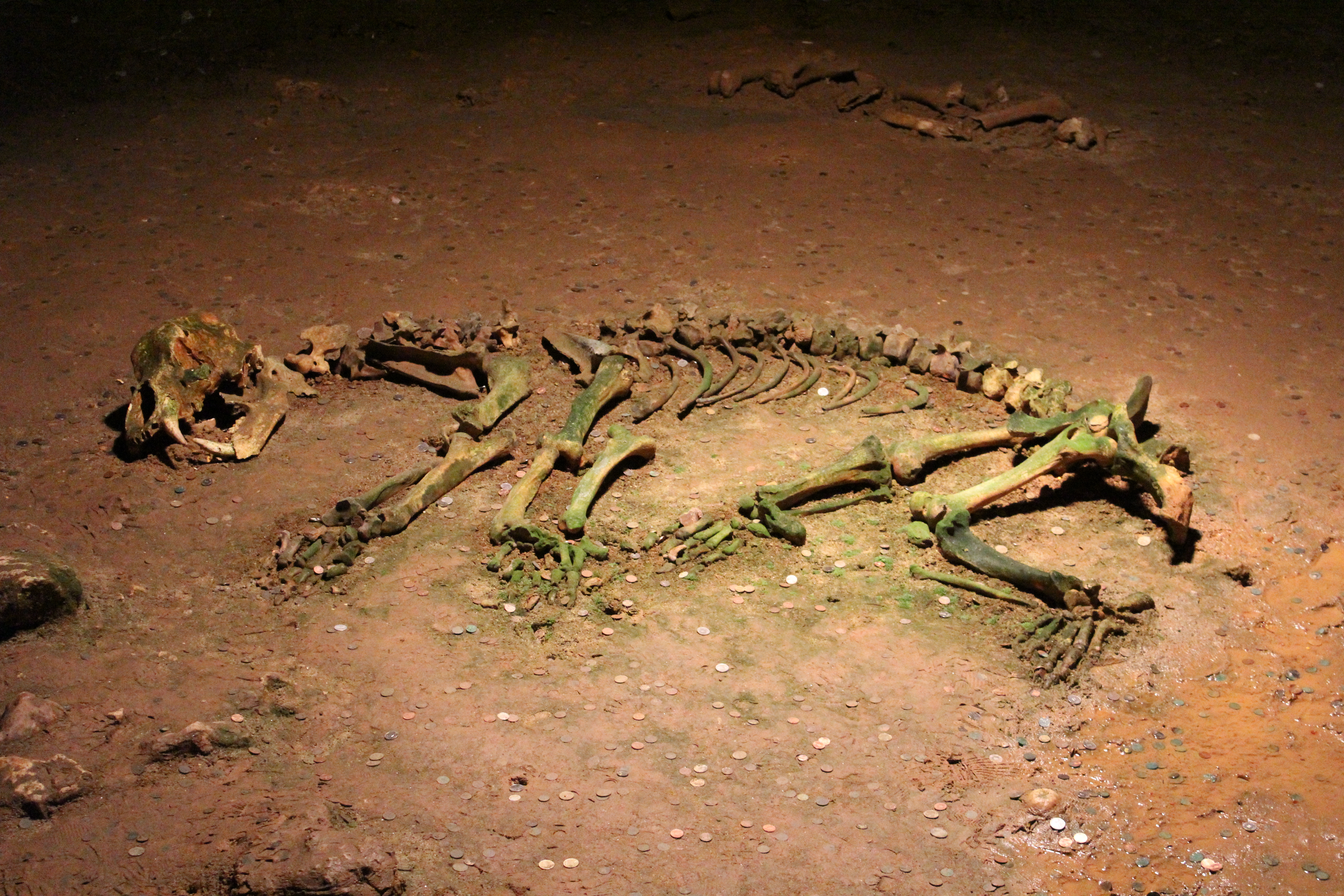
It sounds like an ad pitch when you say 9 out of 10 doctors agree about something. Chewing gum manufacturers, for example, would talk about how many dentists concurred about the safe use and benefits of certain brands of gum. This past summer, at the height of a health crisis, my doctors, who swore an oath to “do no harm,” told my parents to let me die. Yes, 9 out of 10 doctors thought I’d be better off dead. They said that even if I could recover, I would have no quality of life. My parents would have none of it. Through threats of litigation, my dad “persuaded” them to take those measures that led to my return from the brink. Nine out of ten doctors were wrong. I survived. They were correct about the impact on my singing voice thus far, but none of the other dire predictions proved accurate. 

The 13th Surgeon General of the United States, C. Everett Koop proved himself an ally to the pro-life movement in the United States cautioning how abortion led to a culture of death where even euthanasia becomes acceptable. Koop saved lives as a pediatrician in his civilian life. So, he asked why he should support the destruction of the thing he had long sought to preserve. That is a good question. Doctors affirm their intentions by stating the revised Hippocratic Oath. And, as they do so, they promise not to play God. But unfortunately, what Koop feared seems to be on the horizon. In addition to doctors willing to be instruments of death, you find collaborators in society at large in pop culture and government. Perhaps you have heard of certain billionaire humanists extolling the virtues of culling the global population. The verbiage of the “elite” makes it sound as if the vile demon of eugenics, as exercised in the early twentieth century by Margaret Sanger and Adolph Hitler, has returned.  

God is pro-life, as He is the author of it. David tells us that God is watching us being knit together in our mother’s womb during gestation (cf. Psalm 139). Furthermore, God indicated that a few of His servants had pre-birth life purposes bestowed on them by God (Jeremiah, Jeremiah 1.5; Paul, Galatians 1.15; John the Immerser, Luke 1.15; Samson, Judges 13.5). Finally, as the Messianic psalm states, God takes us from the womb (Psalm 22.9-10). How do we lose sight of this?  

First, we acknowledge that not everyone believes in God. With the absence of God, there can be no morality. Murder needs no excuse. It becomes expediency.

Second, people become callous. Research has enlightened us concerning how prevalent depictions of violence and death have become. Children play video games in which they blow opponents to bits with bullets and rockets. Adults watch television shows with blood and guts. When a pandemic comes along, you get a surreal feeling. You recognize death but feel emotionally impacted only when the coronavirus takes a kinsman. If you are tired and deal daily with death, what is one more non-related person in the morgue?

Third, there is selfishness. The infirm, demented, or chromosomally-impaired become too burdensome on a child or parent. Some European countries allow for euthanasia in such cases. It happens in the United States, too but through neglect and the provision of substandard care. (I know, I just lost an aunt under those circumstances.)

Finally, there are fiduciary factors. A patient becomes too expensive to sustain. Insurance or administrators want the plug pulled. It is nothing personal. It is just money. 

Please understand that I don’t believe that all doctors would react the same under the same circumstances. Indeed, I’ve had doctors pray with me, advocate for me, and acknowledge that God has extended my life. So there are faithful, Christian doctors. But nine out of ten doctors in their fellowship at the teaching hospital in which I found myself thought I should die. It is a sad commentary of where we find ourselves in the United States today. So choose life and advocate for it. 

“God created man in His own image, in the image of God He created him; male and female He created them.” (Genesis 1.27 NASB1995) 

Two that never gave up on Brent were our parents (here is mom with him in late June).

The Truly Amazing Kwasi Enin


Neal Pollard

How often does the college application process for a single student make the front page of a national paper like USA Today?  It happened on Tuesday, April 1, 2014.  The feature centered around the academic ambitions of a Shirley, New York, Senior, whose academic future would seem secure and assumably provided for.  He made history when last week he opened an acceptance letter from Harvard University.  That alone is impressive, but that letter made it complete. Every single one of the eight Ivy League colleges formally accepted Kwasi Enin as a student.  It is amazing that Kwasi would apply to all of them, and almost unheard of to be “invited to attend them all” (Greg Toppo, 1 A, 4/1/14).   His guidance counselor said, “It’s a big deal when we have students apply to one or two Ivies. To get into one or two is huge. It was extraordinary” (ibid.).

So maybe our congregation does not have any academic prodigies like Kwasi Enin.  With all due and considerable respect, we have something even better.  We have a large repository of talent and spirituality in our midst among our youth and teens.  Their dreams are endless.  They dare to do great things, ask friends to services, stand up for their faith, share profound spiritual thoughts, and much more that we, as adults, find jaw-dropping.  They reach for the sky because they are too young to be bothered with such mole hills as worry, fear, and limitation!  They believe they can change the world and make it a better place and their faith in Christ can put some of ours to shame.

When Paul tells Timothy to let no one look down on him because he is young (1 Tim. 4:12), he is speaking to us, too.  Our youth have growing and maturing to do.  They will accrue wisdom and experience in the process of time.  But, may we help nurture their enthusiasm and stoke their optimism.  They need to keep it.  We need them to keep it.  With dark days ahead, we will depend on the faith and valiant efforts of today’s youth!  May we recognize how truly amazing they are and help them see how important they are to God’s work.