
Neal Pollard
This morning, John Moore gave us great perspective on what we were to see on the island of Rhodes today. He showed how the various attempts at unification in the Roman Empire led to the rise of the west and the east and how that eventually gave rise to the western (Catholic) and eastern (Orthodox) church several hundred years after the New Testament. Those churches adopted the structural organization of the empire and filled the power vacuum that arose after the disintegration of the western half of the empire (Rome). The east, whose capital was Byzantia, gave rise to the time known as the Byzantine period (the city was renamed Constantinople after the Roman empire who moved his base of operation there). Following the beginning and rise of Islam, there were efforts made to stop the spread of that religion and retake Jerusalem and Palestine.
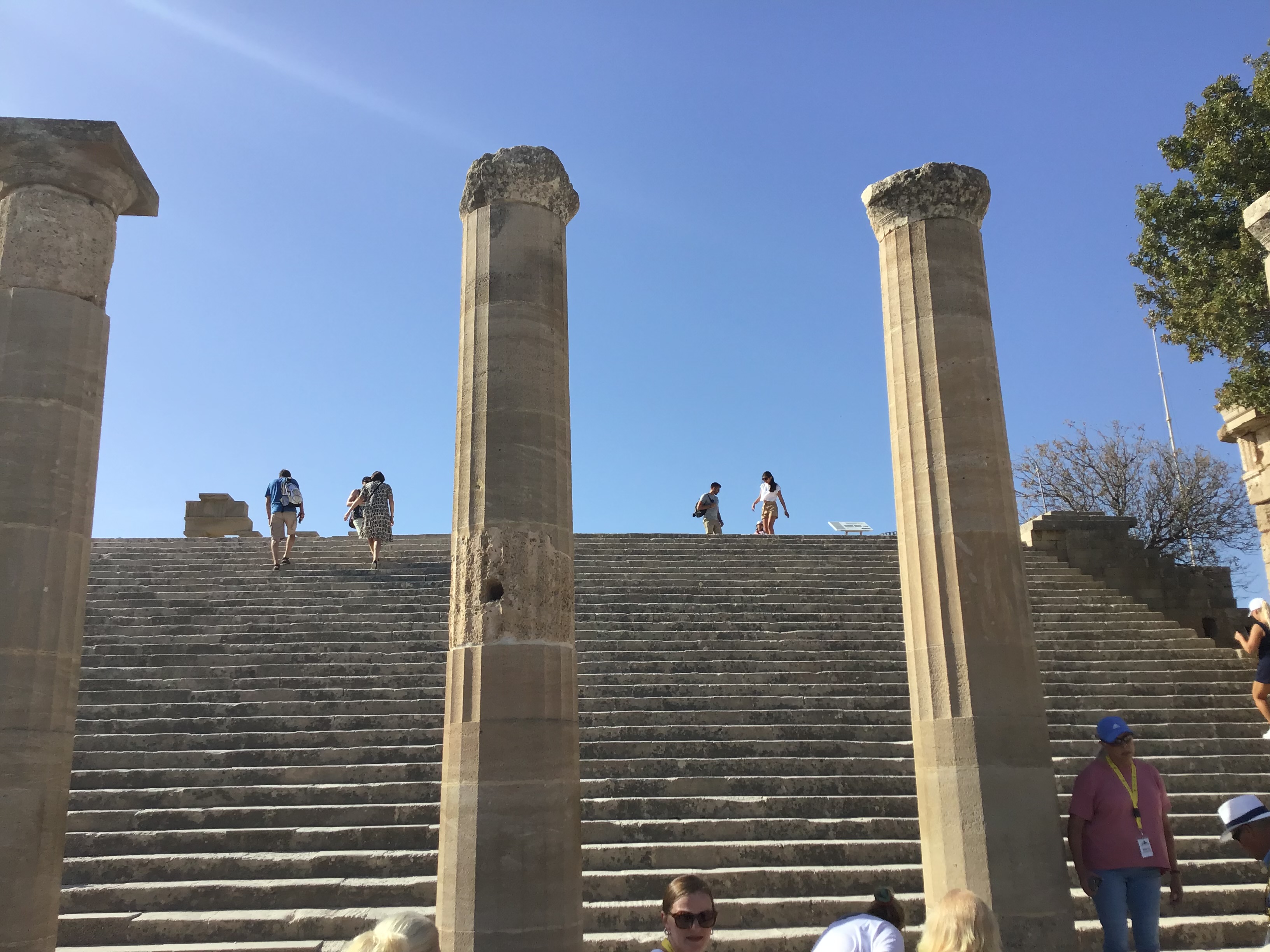
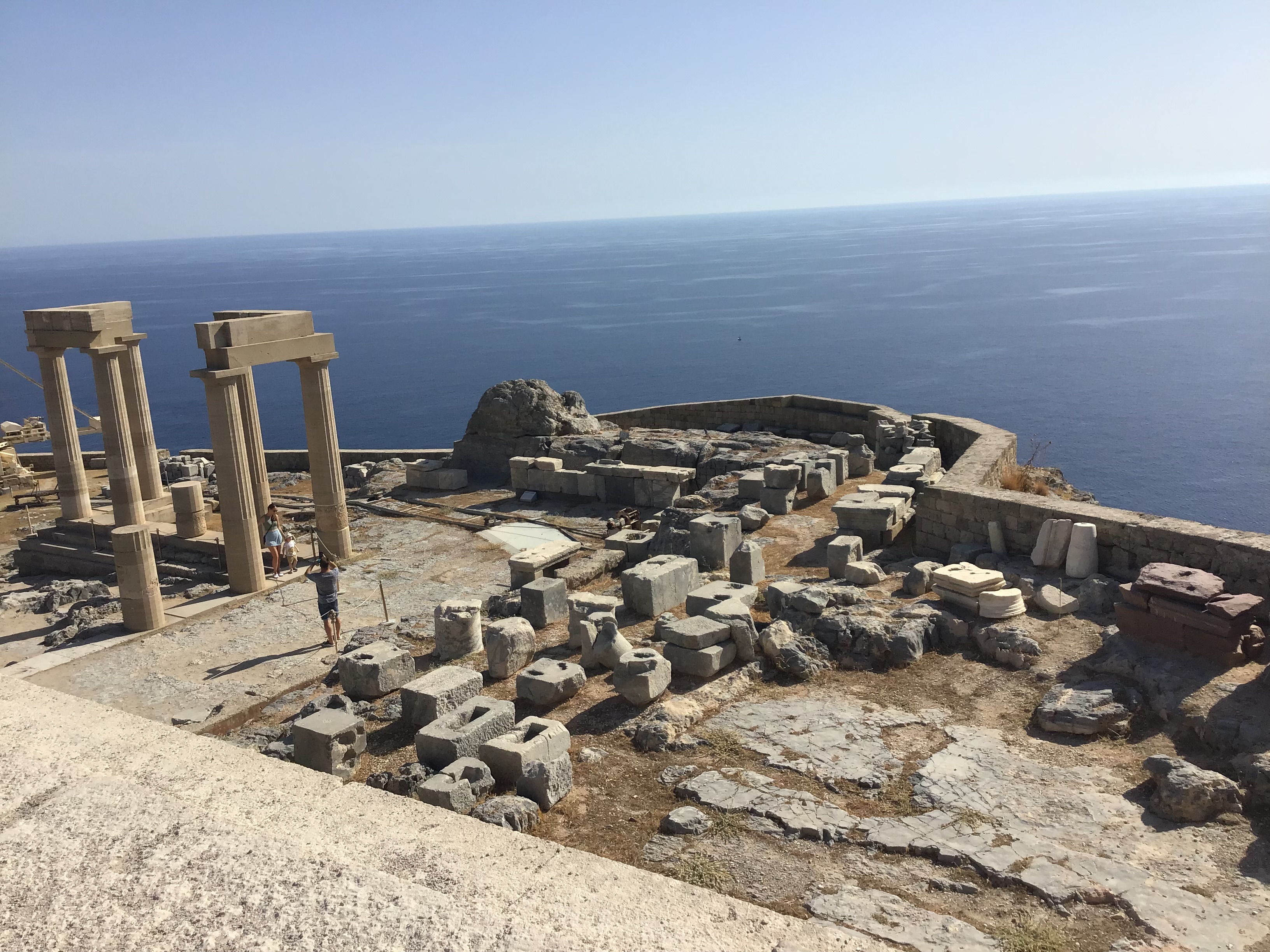
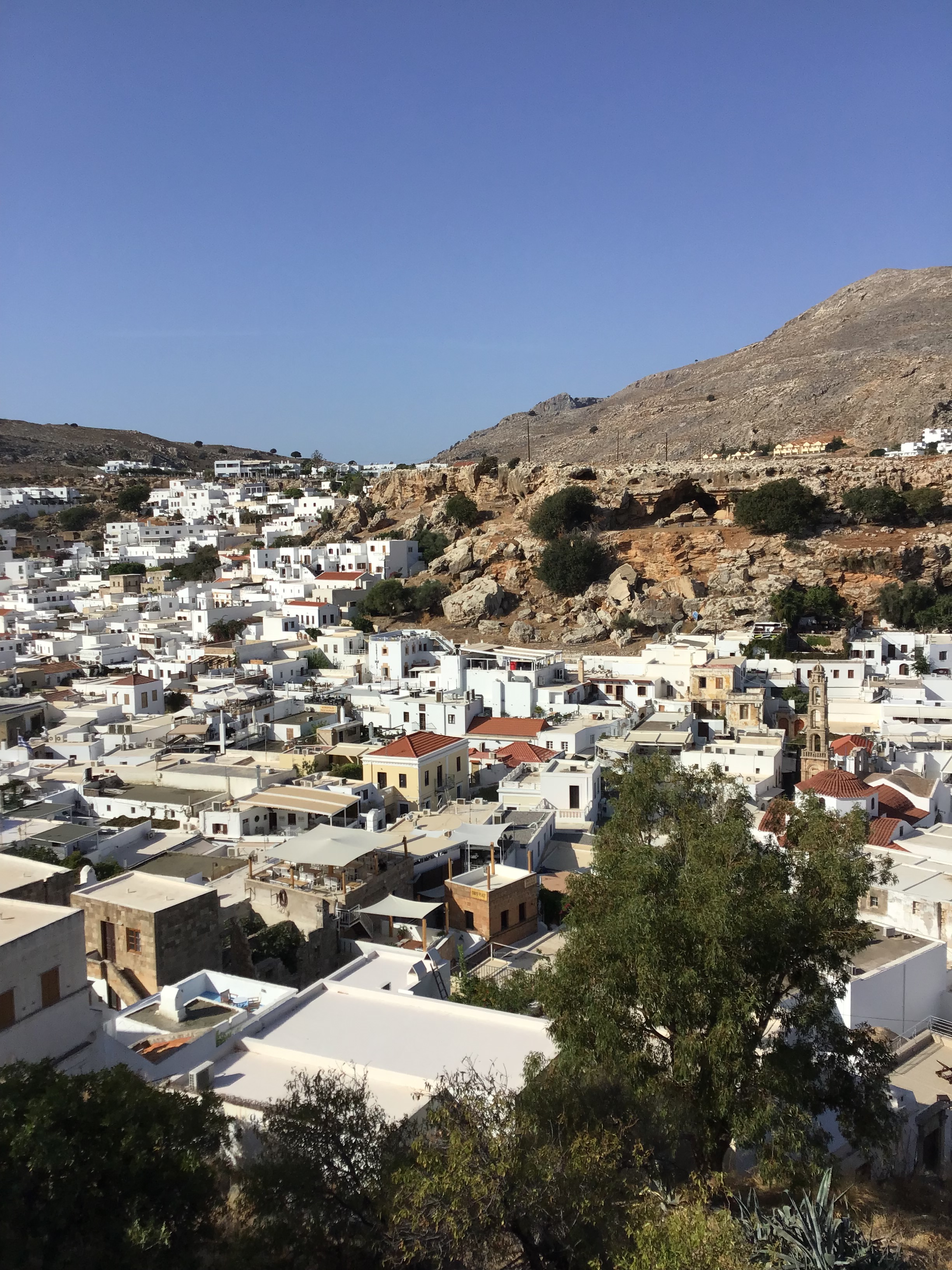
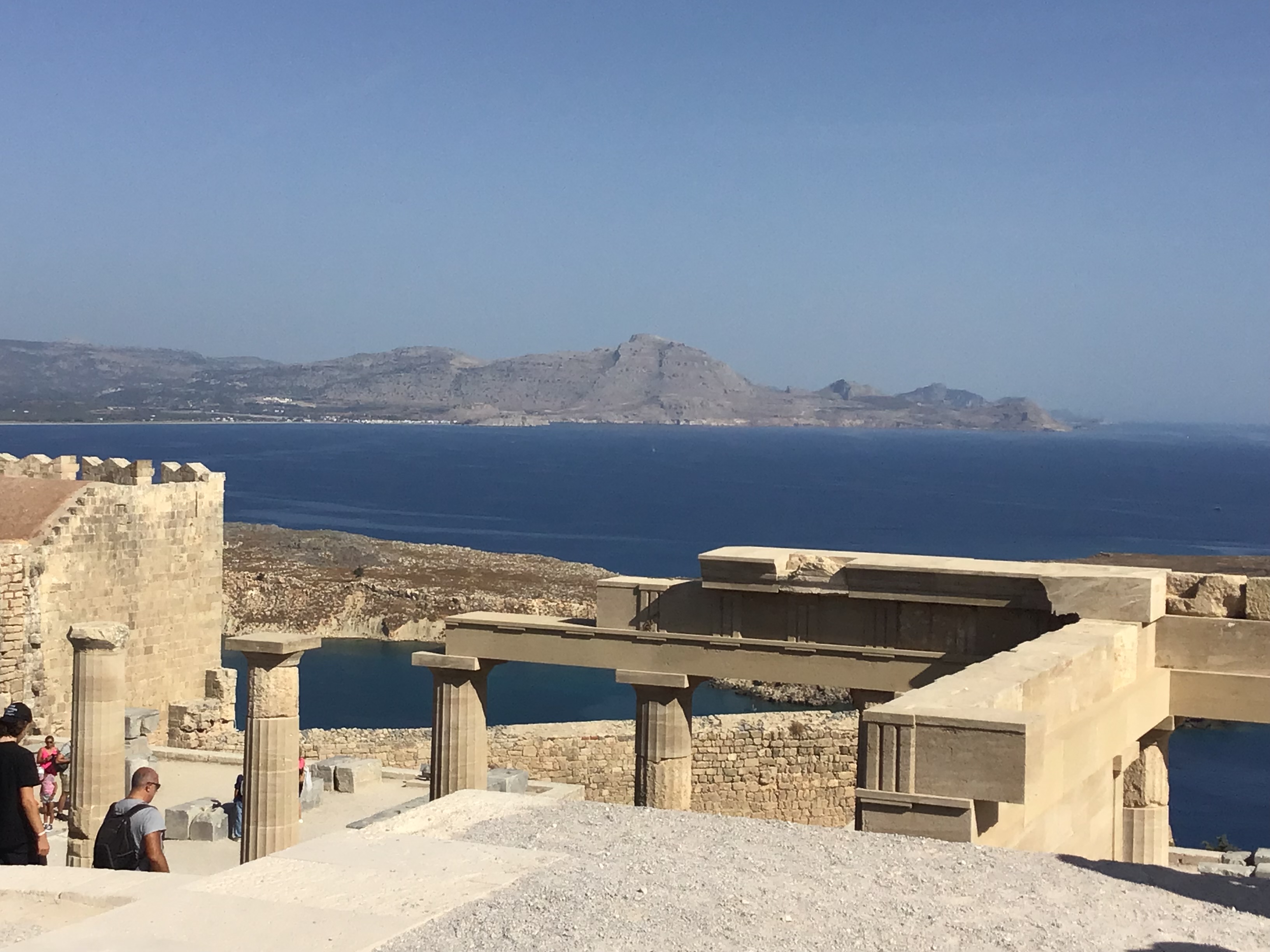
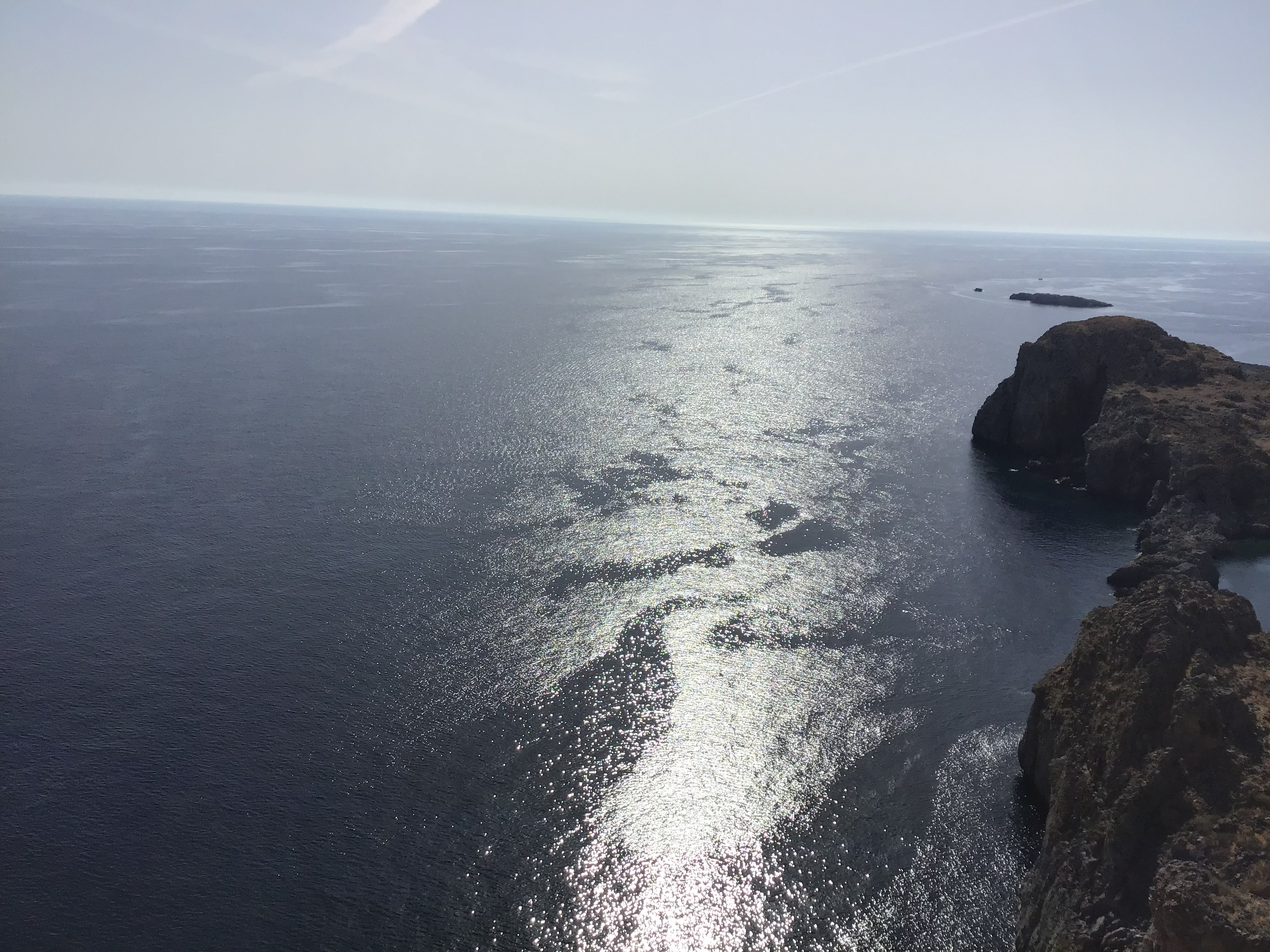
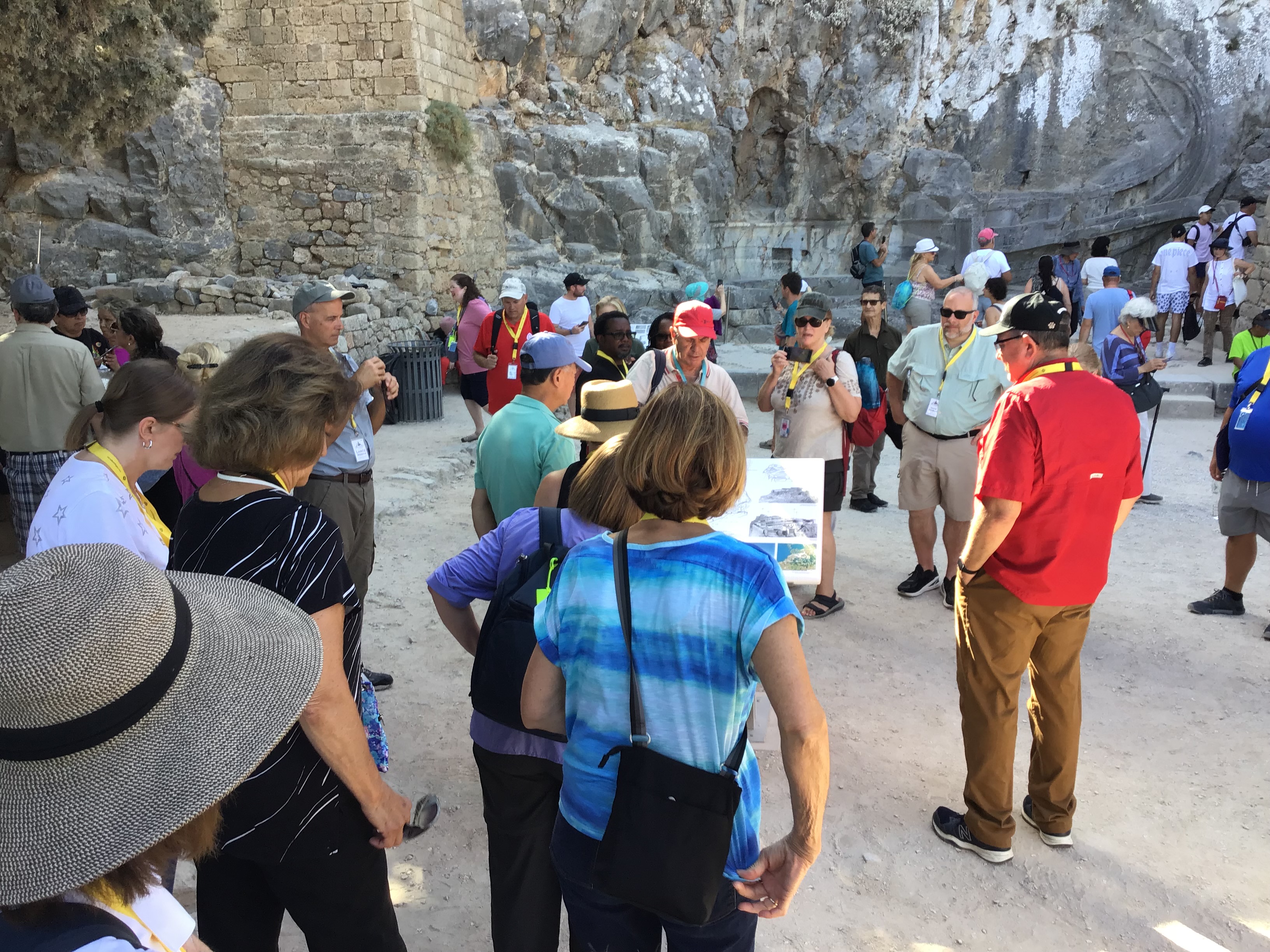
Our trip into Rhodes helped give us an appreciation for efforts in these periods of time. Also, up at Lindos at the very north end of the island, tradition has arisen that this was the port where Paul landed en route to Rome. The port in this village is known as St. Paul’s Bay. John believes the port city where our ship is docked in the more credible site given its position to the route Paul would have taken from Rhodes to Antioch. We know from Luke that Paul spent time on Rhodes, but how long is uncertain (Acts 21:1).
It is fascinating to think about the amount of ground Paul covered spreading the gospel. He embraced his role as the apostle to the Gentiles and took the good news far and wide. That includes the island of Rhodes.

 The Preacher Pollard Blog