Lukewarm Christians

Carl Pollard

This past week we had some miserable cold days here in Kentucky. In fact, with windchill just the other night I saw negative 10 on the thermometer! There is such a huge contrast between summer and winter. The world goes from green to brown.

Trees go from grown out to bare. And the temperature goes from hot to cold. Those are two very different things, hot and cold. But if you mix them together, you get lukewarm water. There are some Christians in scripture who are called lukewarm and trust me, it isn’t a compliment.

The first few chapters of Revelation are addressed to 7 different churches. Each congregation had some problems they needed to take care of, and in chapter 3:14-22 we read of the church in Laodicea. The letter to the church at Laodicea is the harshest out of the 7 churches in Asia Minor. In fact, from the very beginning we read that this church is spiritually dead. 

V. 14-15, “To the angel of the church in Laodicea write: The Amen, the faithful and true Witness, the Beginning of the creation of God, says this: 15 ‘I know your deeds, that you are neither cold nor hot; I wish that you were cold or hot.” 

Jesus knew what they had been doing as a church, He knew their deeds. Notice that He says they are neither “cold nor hot.” This church was lukewarm. Because of their lukewarm faith, they are condemned. Revelation 3:16, “So because you are lukewarm, and neither hot nor cold, I will spit you out of My mouth.” 

Hot water can purify, sanitize, and can be used to bathe. Cold water is refreshing and good for drinking. Lukewarm water can do none of these things. It is useless! The church at Laodicea understood this analogy better than anyone. To the north several miles was Hierapolis which was a city known for its hot springs. You could bathe in hot water, it was good for aches and pains, you could disinfect and clean with it. To the south of Laodicea was Colossae. It was known for having cool, clean water that was refreshing and perfect for drinking. Laodicea however drew its water from a spring 6 miles away, and by the time it flowed through the aqueduct to their city the water was disgustingly lukewarm. Certain historians described the water there as “nauseating to drink.” 

And this was God’s reaction to the church there. Not good for anything. Not cool enough to drink, not warm enough to bathe. God’s response, He spewed them out of His mouth. The church made Him sick. 

A lukewarm church, an attitude that was manifested by their deeds. Vs. 17, “Because you say, ‘I am rich, and have become wealthy, and have need of nothing,’ and you do not know that you are wretched and miserable and poor and blind and naked.”

Laodicea was known for its wealth. Apparently this attitude found its way into the church. They felt as though they needed nothing! They were convinced they had it all. But this couldn’t be further from the truth. Jesus says, “little do you know that you’re wretched, miserable, poor, blind and naked.” 

If Christ isn’t in our life, we have wasted our time. No amount of wealth can give us what we truly need; forgiveness. If we have become lukewarm, God has no need for us. Let’s be genuine in our faith, let’s be excited to work in God’s Kingdom! 

Laodicea was given a chance to answer the knocking savior (20), and we are too. 

Let’s let Him in!
Bible Land Tours (Mediterranean)(IX)

Neal Pollard

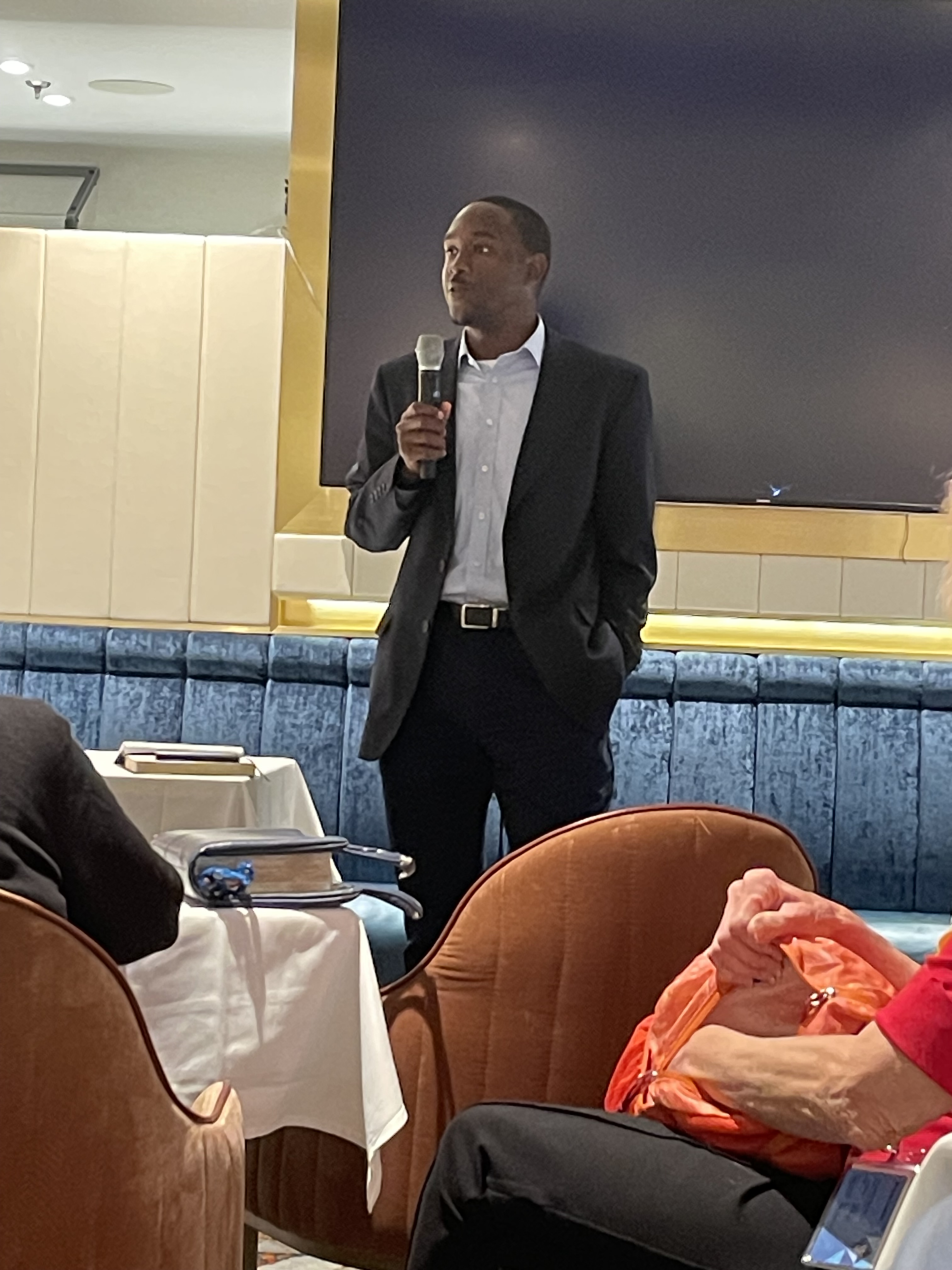
Today was a special day, not just because it was our last day in Turkey or an exciting holiday for the Turkish people that included being buzzed by fighter jets. It was special because of both God’s people and the privilege of worshipping God in such a meaningful way. We met for worship this morning in a large conference room. We had about 10-12 guests from the ship in addition to our Bible Passages group of 56. Among the several who led us in worship were Lehman’s Clint Raymer, Andrew Gott, and Hiram Kemp. Hiram’s sermon was an excellent look at 1 Peter 3:10-12, written to churches all around the very area that is the country of Turkey today (cf. 1 Pet. 1:1).

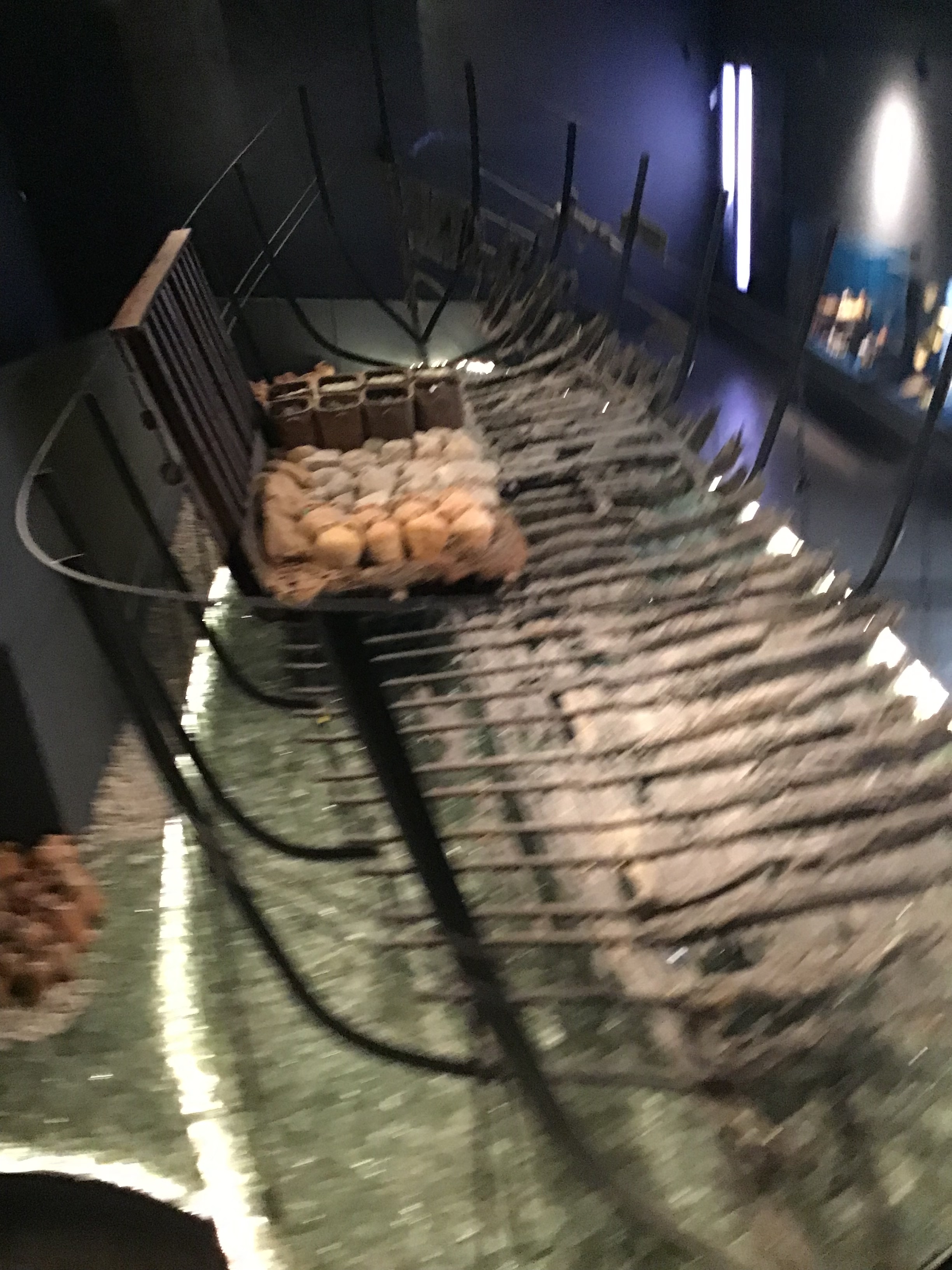
Afterward, many of our Lehman members spent several hours walking around Bodrum, seeing an archaeological museum devoted to underwater wreckage recovery. The finds went back to the 14th Century B.C. and included a ship from almost 1500 years ago that was retrieved and placed on display. It was yet another opportunity to experience the history of the areas we’re traveling in. We also were able to spend some time looking in the markets.

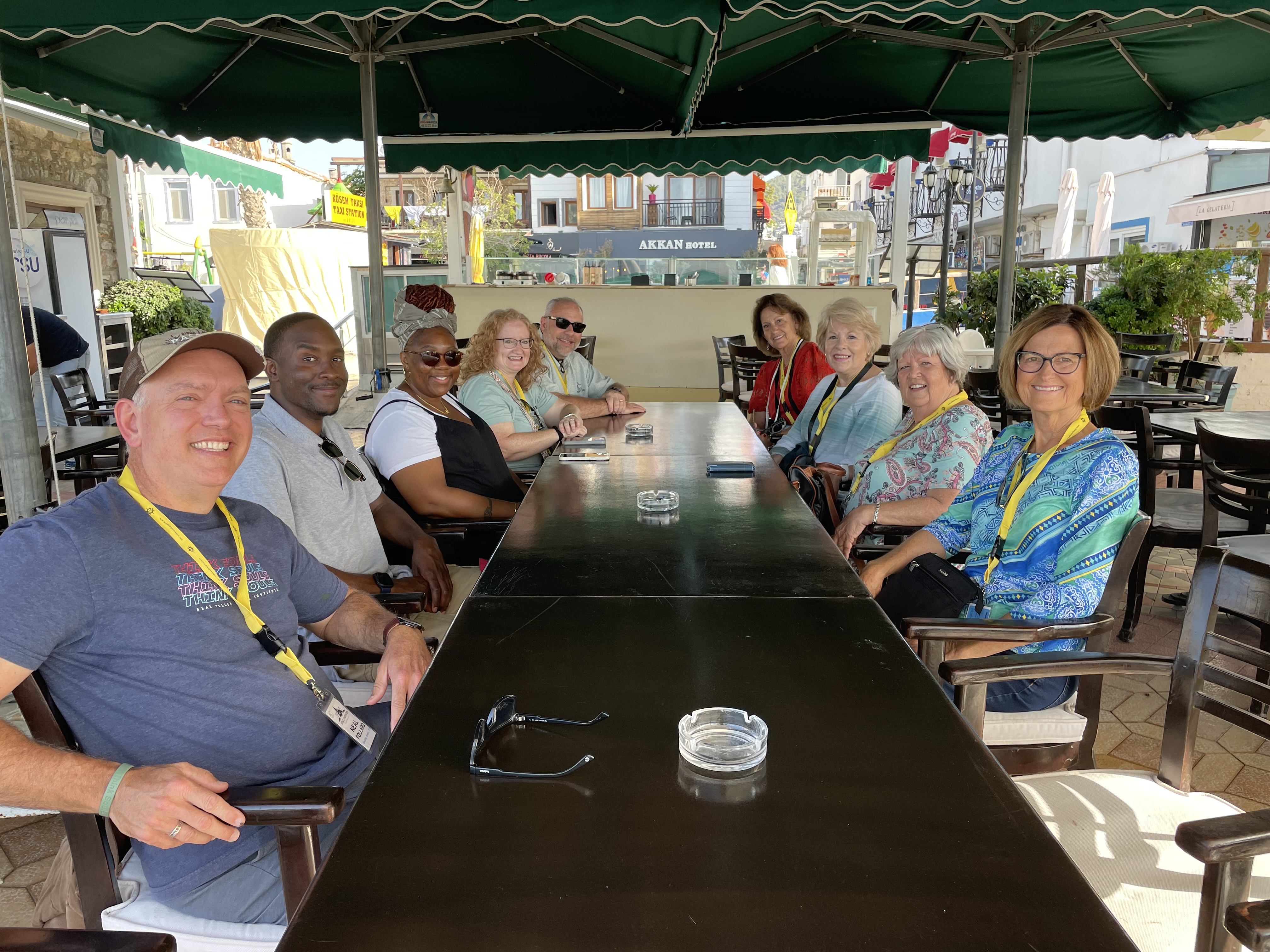
It was wonderful to fellowship with God’s people from all around the country and wonderful to fellowship with the brothers and sisters we spend so much time with. To do so in what was Asia Minor is a visual illustration of how we must continue to build God’s family for the generations to come. Tomorrow is another day in which we will be where the Bible records Paul’s steps. It will be exciting to continue that odyssey!

Perseverance And Faith:

Understanding Revelation’s Message for Then and Now

Brent Pollard

John wrote the Book of Revelation when the Roman Empire persecuted Christian communities. Emperor Domitian had exiled John to the island of Patmos. So, while in exile during Domitian’s reign, John wrote to encourage other persecuted Christians. Given the focus of the first three chapters on seven specific churches in Asia Minor (i.e., Turkey), as well as the emphasis on this being an urgent message (1.3; 22.10), we can conclude that the original audience of John’s apocalypse was these seven churches located in the heart of the imperial cult.

The imperial cult’s prominence in Asia Minor created significant tensions for Christians in Ephesus and Smyrna, two of the seven cities to which Jesus sent His message. Polycarp, a disciple of John, was martyred in 155 AD in his hometown of Smyrna. Domitian (81–96 AD) declared himself to be a god, adopting the title “Dominus et Deus” (Lord and God). Loyal Romans believed participating in cultic rites was a way to pledge allegiance to the emperor and Rome. We can quickly see how this caused problems for the burgeoning Christian community, which only referred to Jesus as their Lord and God.

The Christian community suffered socioeconomic consequences as a result of this refusal. Evidence shows that participation in the Imperial Cult was a prerequisite for engaging in certain types of business or trade in some parts and times of the Roman Empire. Members of trade guilds, which governed various kinds of commerce and industry, for example, might be expected to participate in the Imperial Cult as part of their membership.

Christians who refused to worship the emperor would have been economically marginalized. It’s no surprise that John compares imperial cult submission to having the “mark of the beast” (Revelation 13.16–18). The gematria system reveals the meaning of the number “666” to be “Nero Caeser.” As such, the beast was Rome, with Nero as the first prominent persecutor of Christians, responsible for the deaths of Peter and Paul, among others.

The calls for faithfulness and warnings against compromise in Jesus’ direct messages to the seven churches would have resonated in the context of the temptation to assimilate and abandon spiritual beliefs for worldly acceptance or prosperity. While the specific nature of persecution differed across time and emperors, the struggles referenced in Revelation reflect a consistent tension between the emergence of Christianity and the Roman imperial system.

Symbols like Babylon the Prostitute and the Beast represent the decadence and oppression of Rome, especially under despotic rulers who declared themselves gods and demanded worship. Revelation transitions from tribulation under oppressive powers to expressing hope in God’s ultimate triumph over evil. This message of persevering faith leading to redemption would have encouraged early Christian communities to face real-world hardships and persecution.

While modern forms of oppression differ, Revelation reminds believers that staying true to one’s values in adversity is critical. Its themes demonstrate that faith and integrity will triumph over darkness. Deliverance comes through steadfast devotion. And, in a world of growing groupthink and social credit systems, Christians in the twenty-first century may need this message of perseverance even in the face of socioeconomic isolation and persecution as a reminder not to bow the knee to anyone but Christ. 

Revelation, with its intricate tapestry of symbols, warnings, and prophecies, is a testament to the enduring human spirit in the face of overwhelming oppression. Its timeless message transcends its ancient origins, providing comfort and guidance to generations. As believers faced the might of the Roman Empire in the past, today’s challenges, while different, are no less demanding. Revelation reminds us that faith can move mountains in any age and that the light of truth, no matter how dimmed by adversity, will always find its way.