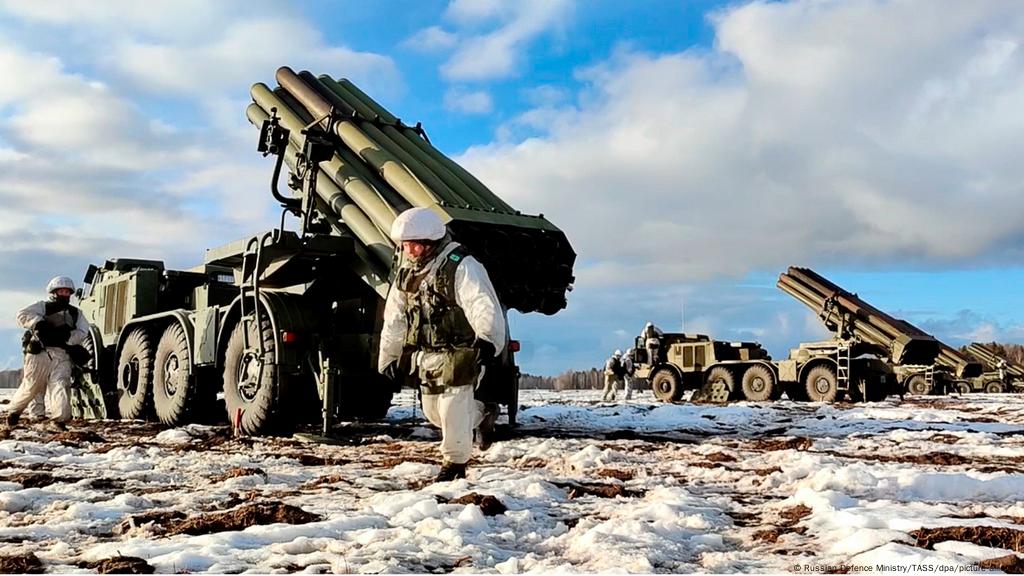
For the past six days Russia has made significant advancements on several strategic locations in Ukraine. Every news outlet is showing photos and videos of devastation that has already occurred, and it’s predicted to escalate still. There are complicated foreign policies being discussed over topics like NATO, sanctions, and the effects on the rest of the world after Putin’s recklessness.
Many countries are mad, some indifferent, while some cheer on their favorite country like it’s their favorite sports team. It’s chaotic and it’s concerning, but it’s not the Christian’s long-term problem. If this earth was our eternal home then I would be biting my nails and losing my hair. However, Christians all over the world should take comfort in the fact that heaven is a place where there is no war. We should remind each other that in order to make it, we are not required to be Republicans or Democrats. There are two camps in this world, but those aren’t it. The two groups are those who are lost and those who are saved. When you look at your TV or maybe out of your window and you see the death and carnage, we aren’t witnessing the death of heroes and villains. We’re watching souls walk through the door of eternity.
Our focus is easily pulled away from the reality that is only seen through a spiritual lens but it’s the reality that matters the most. The lyrics of two hymns have been strung together in my mind this week, “There’s a Great Day coming and this world’s not my home.”
“Beloved, never avenge yourselves, but leave it to the wrath of God, for it is written, “Vengeance is mine, I will repay, says the Lord.”
My first foreign mission trip was to eastern Ukraine in the Spring of 2002. I returned in 2003, and each time we flew in and out of Kharkiv (which is under siege as I type). We worked with the Bear Valley Bible Institute’s first foreign extension school, but also worked with brethren in the village of Slavyanogorsk.
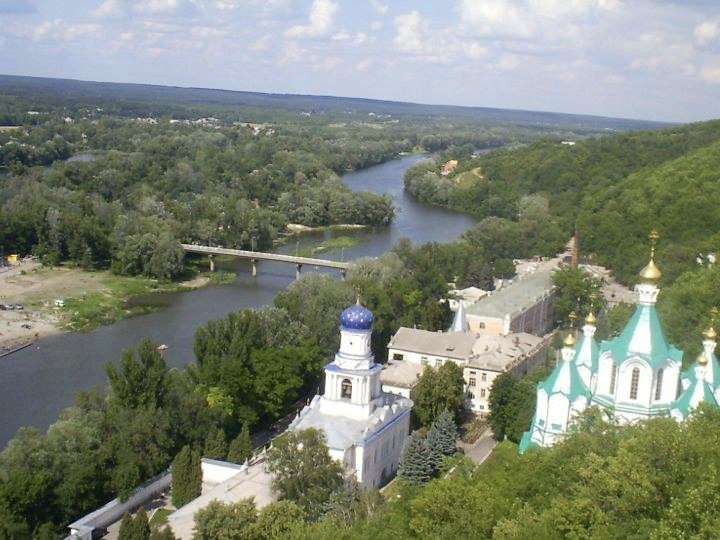
I took this picture of Slavyanogorsk from the monastery overlook.
We held Bible studies and taught English using the book of Mark and enjoyed success especially with young people and young adults. The influence of the Russian Orthodox Church was strong among the locals, but there was a congregation of about 30 there.
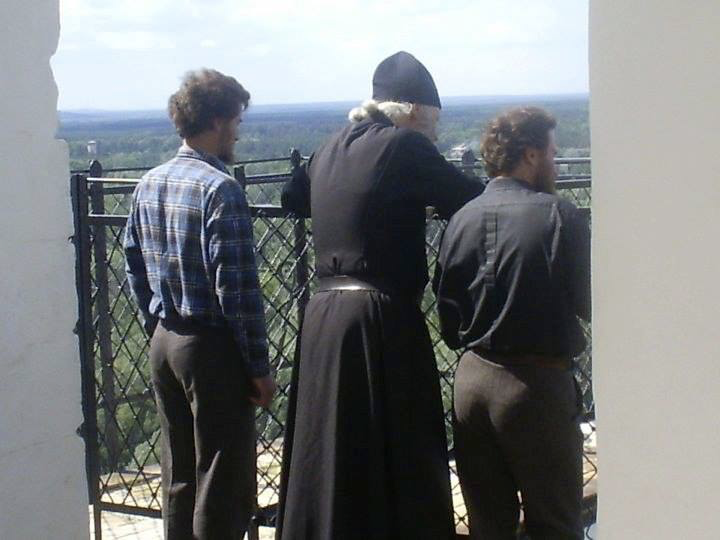
Russian Orthodox monk at the monastery in Slavyanogorsk. Having fellowship with the brethren at Slavyanogorsk. The local preacher at the time, Victor Semikoz, is barely in view (right). Terry Harmon, at the time the director of the Bear Valley extension, is wearing the tie.
On my second trip, Kathy was able to go with me along with several other members of the Cold Harbor Road congregation in Mechanicsville, Virginia, where I preached at the time.
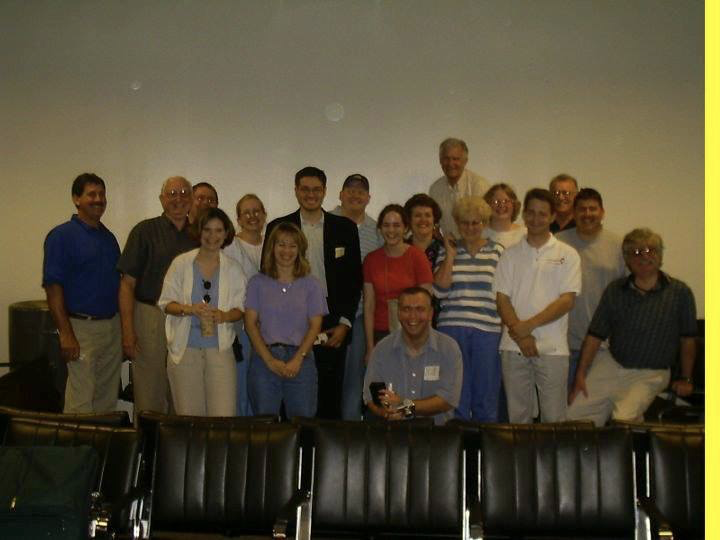
Members of the Cold Harbor and Pikeville, KY, congregations at the Kharkiv airport. Do you see Kathy?
The memories we made together and with our brothers and sisters in Ukraine have left a lasting impression on my mind and my faith. Though I had always known that the church existed in places outside the United States, this was my first tangible experience with them. While we were separated by language and cultural barriers, we were drawn together by our common faith and hope. These first few trips increased my desire to teach and evangelize not only those in other nations, but also motivated me to try harder to do so locally. Those travels to Ukraine were extremely faith-building.
Right now, those brethren are displaced, distressed, and disturbed by the Russian invasion well underway. Their relatively modest houses and apartments have been at the center of fighting between Ukrainians and Russian separatists, with many of the cities in that region controlled by those separatists. They are in the crosshairs of danger, facing an uncertain future.
As I read the New Testament, inspired writers addressed congregations and asked them to care about, pray for, and provide the needs of brethren who faced various crises. There were the poor and needy saints of Jerusalem, whom Paul tells Rome that Macedonia and Achaia had financially supported (Rom. 15:26; cf. 1 Cor. 16:1). The writer of Hebrews told his audience, “Remember the prisoners, as though in prison with them, and those who are ill-treated, since you yourselves also are in the body” (13:3). He praised them earlier in the letter for showing sympathy to the prisoners (10:34). We never know when similar circumstances might befall us. As Paul told Thessalonica, “For you, brethren, became imitators of the churches of God in Christ Jesus that are in Judea, for you also endured the same sufferings at the hands of your own countrymen, even as they did from the Jews, who both killed the Lord Jesus and the prophets, and drove us out. They are not pleasing to God, but hostile to all men, hindering us from speaking to the Gentiles so that they may be saved; with the result that they always fill up the measure of their sins. But wrath has come upon them to the utmost” (1 Th. 2:14-16). While their suffering was primarily spiritual persecution, Paul urged empathy and endurance.
What can we do for our brethren who are at ground zero of this awful conflict? We can better inform ourselves of the specifics there (https://christianchronicle.org/ukraineexplainer/). We can pray, congregationally and individually (daily!). We can listen for opportunities to assist our brethren. Heaven will be filled with saints from every nation (Rev. 7:9). These brethren are part of our “household”; let us stand ready to do good for them (Gal. 6:10). Remember them as they suffer!
Having tea in our sister, Luba’s, apartment on a rain-soaked evening in Slavyanogorsk.




 The Preacher Pollard Blog