
Understanding Revelation’s Message for Then and Now

John wrote the Book of Revelation when the Roman Empire persecuted Christian communities. Emperor Domitian had exiled John to the island of Patmos. So, while in exile during Domitian’s reign, John wrote to encourage other persecuted Christians. Given the focus of the first three chapters on seven specific churches in Asia Minor (i.e., Turkey), as well as the emphasis on this being an urgent message (1.3; 22.10), we can conclude that the original audience of John’s apocalypse was these seven churches located in the heart of the imperial cult.
The imperial cult’s prominence in Asia Minor created significant tensions for Christians in Ephesus and Smyrna, two of the seven cities to which Jesus sent His message. Polycarp, a disciple of John, was martyred in 155 AD in his hometown of Smyrna. Domitian (81–96 AD) declared himself to be a god, adopting the title “Dominus et Deus” (Lord and God). Loyal Romans believed participating in cultic rites was a way to pledge allegiance to the emperor and Rome. We can quickly see how this caused problems for the burgeoning Christian community, which only referred to Jesus as their Lord and God.
The Christian community suffered socioeconomic consequences as a result of this refusal. Evidence shows that participation in the Imperial Cult was a prerequisite for engaging in certain types of business or trade in some parts and times of the Roman Empire. Members of trade guilds, which governed various kinds of commerce and industry, for example, might be expected to participate in the Imperial Cult as part of their membership.
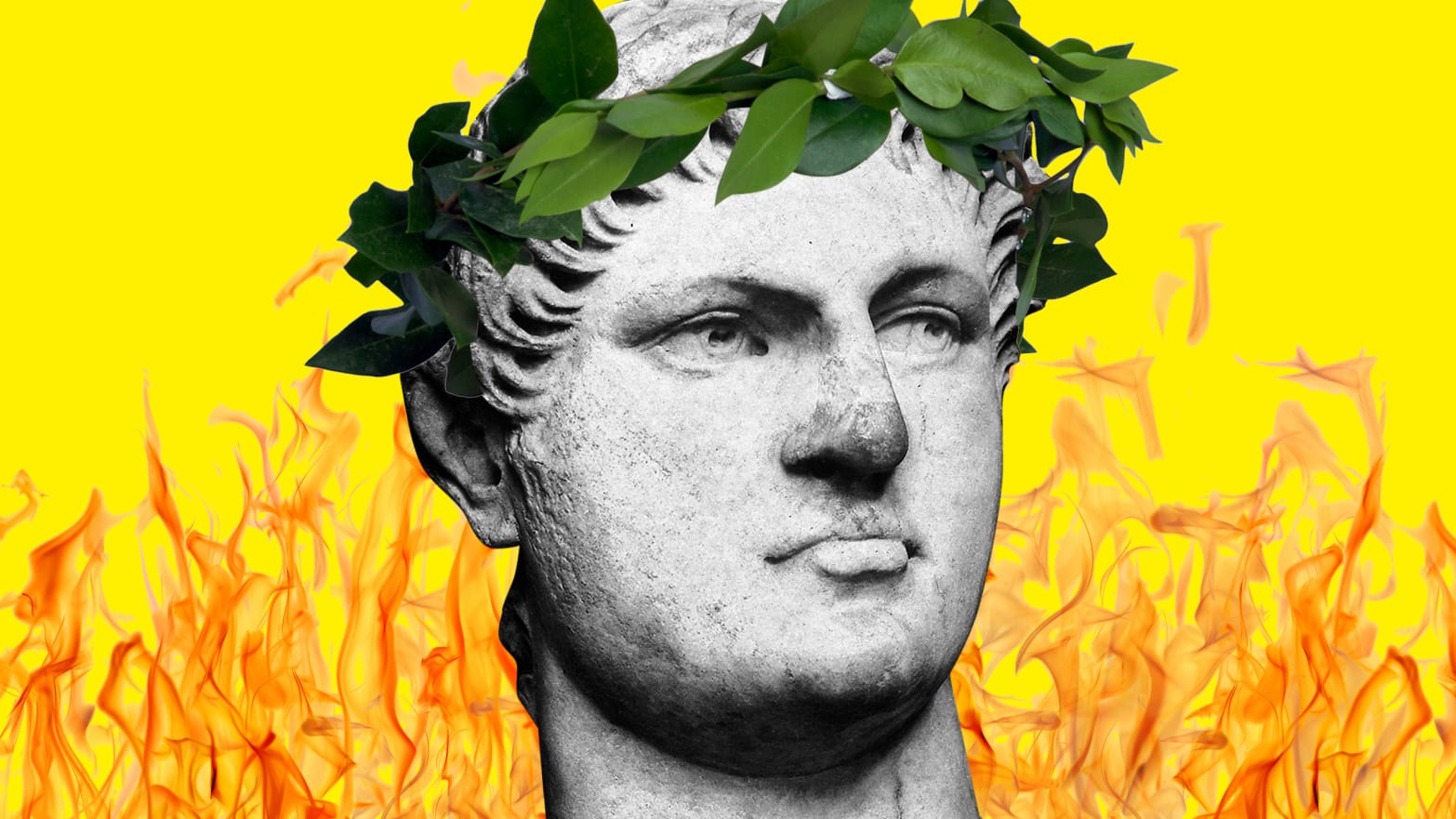
Christians who refused to worship the emperor would have been economically marginalized. It’s no surprise that John compares imperial cult submission to having the “mark of the beast” (Revelation 13.16–18). The gematria system reveals the meaning of the number “666” to be “Nero Caeser.” As such, the beast was Rome, with Nero as the first prominent persecutor of Christians, responsible for the deaths of Peter and Paul, among others.
The calls for faithfulness and warnings against compromise in Jesus’ direct messages to the seven churches would have resonated in the context of the temptation to assimilate and abandon spiritual beliefs for worldly acceptance or prosperity. While the specific nature of persecution differed across time and emperors, the struggles referenced in Revelation reflect a consistent tension between the emergence of Christianity and the Roman imperial system.
Symbols like Babylon the Prostitute and the Beast represent the decadence and oppression of Rome, especially under despotic rulers who declared themselves gods and demanded worship. Revelation transitions from tribulation under oppressive powers to expressing hope in God’s ultimate triumph over evil. This message of persevering faith leading to redemption would have encouraged early Christian communities to face real-world hardships and persecution.
While modern forms of oppression differ, Revelation reminds believers that staying true to one’s values in adversity is critical. Its themes demonstrate that faith and integrity will triumph over darkness. Deliverance comes through steadfast devotion. And, in a world of growing groupthink and social credit systems, Christians in the twenty-first century may need this message of perseverance even in the face of socioeconomic isolation and persecution as a reminder not to bow the knee to anyone but Christ.
Revelation, with its intricate tapestry of symbols, warnings, and prophecies, is a testament to the enduring human spirit in the face of overwhelming oppression. Its timeless message transcends its ancient origins, providing comfort and guidance to generations. As believers faced the might of the Roman Empire in the past, today’s challenges, while different, are no less demanding. Revelation reminds us that faith can move mountains in any age and that the light of truth, no matter how dimmed by adversity, will always find its way.

 The Preacher Pollard Blog