Bible Land Tours (Mediterranean)(IV)

Neal Pollard

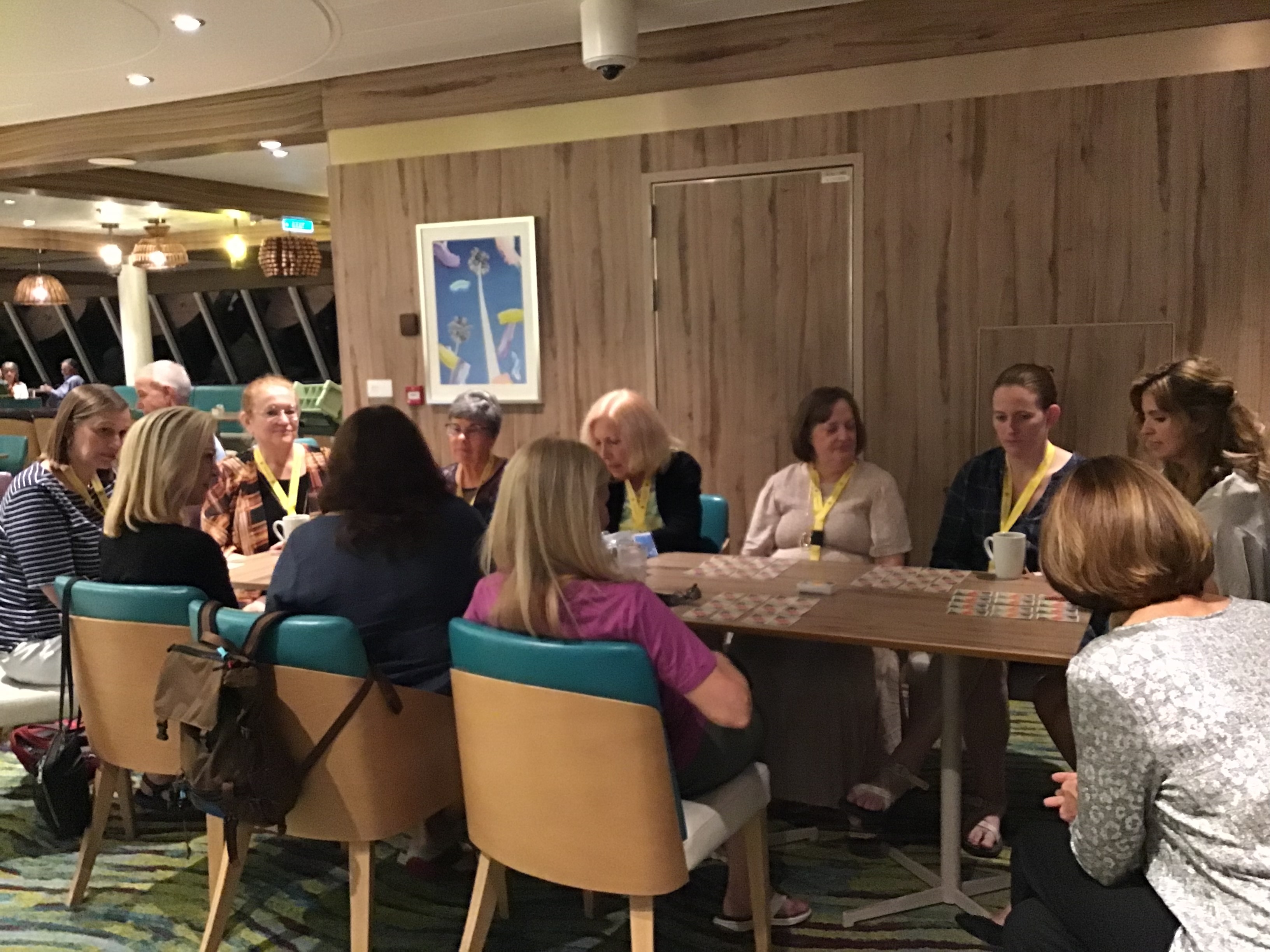
Today was the first day we did not leave the ship, but we were able to get a preview of Ephesus from John Moore as we considered one of the most important cities of the New Testament. We This day was a day about fellowship. One of the great things about a trip like this is that you get to spend quality time with brothers and sisters you go to church with or that you just met. Each night, like right now, we have the opportunity to spend time playing cards and visiting. Earlier today, there were opportunities to do bumper cars, go to the gym, or other activities with brothers and sisters in Christ. That is a serious benefit of a trip like this.

When we study the early church, we see that from the very beginning they made time to be together. The church was established in Acts 2:41, then in the very next verse we read, “They were continually devoting themselves to the apostles’ teaching and to fellowship, to the breaking of bread and to prayer” (42). They were close because they shared a common bond, had the same worldview and God-view, and they faced the same challenges of growing their faith in adverse circumstances. They shared so much together (1 Cor. 10:16). Fellowship was precious (1 Jn. 1:3,7).

Tomorrow, we embark again on a tour of a biblical site. We will have that memory in common. But, even when we return to the ship, we will continue to share! That’s just the way God set up His church!
Crisis

Wednesday’s Column: Third’s Words

Gary III

Gary Pollard

  • 1918 had the Spanish Flu pandemic that killed at least 675,000 people in the United States and 50,000,000 worldwide.
  • 1929 birthed the Great Depression, a multi year period of societal upheaval and economic collapse.
  • 1941 ultimately led to our involvement in a world war after the attack at Pearl Harbor.
  • 1963 saw the dramatic assassination of JFK.
  • 1986 put a damper on the excitement of space exploration with the tragedy of the Challenger explosion.
  • Violent crime rose dramatically from the 60’s to the 90’s, enough that most people no longer left their houses unlocked and were less likely to trust their fellow people.
  • 2001 marked the beginning of a global war on terror with an awful display of evil.
  • 2008 saw the Great Recession, the aftermath of which may be one of the causes of our great political division.
  • 2020 was a train wreck we need not discuss further.
 
This is by no means an exhaustive list! It covers some major events that affected Americans in the last 100 years, but much more could easily be said about the negatives of our history.
 
This is important: Immunity was attained after two years of the Spanish Flu pandemic. Lifespans increased by a few years during the Depression and led to a hearty generation of folks who helped to win the Second World War. That war, as horrible as it was, led to many incredible breakthroughs in medical and other sciences, not to mention historically unprecedented economic prosperity. The 1960s at least exposed the ungodly, ugly nature of hatred and racism, leading to some positive changes that were long overdue.
 
Even in the worst of times, good happens. But even if it doesn’t, hope is invulnerable! For a Christian, these issues are simply the result of a fallen world and they’re temporary. The end of life for us is the beginning! We have one important thing that no crisis can destroy: hope. We are absolutely certain that death will be the moment we get to live in a perfect world with our creator (see also II Peter 3.13ff; Matthew 19.28; Ephesians 1.18ff).
 
Nothing can or should dampen our faith in God, our hope for a better life, our mission to pull people out of darkness, our attitude, our love for each other, our dedication to spiritual growth, our responsibility to take care of people, our resilience in difficult times, and our critical compulsion to emulate Jesus in every possible way while we still breathe.