

(Genesis 5)
Genesis records those who lived for hundreds of years and it’s nearly unbelievable for some people and for others— it is. Look at some examples from Genesis chapter five:
V.17
“Thus all the days of Mahalalel were 895 years, and he died.”
V.20
“Thus all the days of Jared were 962 years, and he died”
V.27
“Thus all the days of Methuselah were 969 years, and he died.”
Some of the best historians of the first Century believed what the Bible says about how long people lived.
Here’s what Josephus has to say in regard to the ancients:
“God afforded them a longer time of life on account of their virtue, and the good use they made of it in astronomical and geometrical discoveries, which would not have afforded the time of foretelling [the periods of the stars] unless they had lived six hundred years; for the great year is completed in that interval. Now I have for witnesses to what I have said, all those that have written Antiquities, both among the Greeks and barbarians; for even Manetho, who wrote the Egyptian History, and Berosus, who collected the Chaldean Monuments, and Mochus, and Hestieus, and, besides these, Hieronymus the Egyptian, and those who composed the Phoenician History, agree to what I here say: Hesiod also, and Hecatseus, Hellanicus, and Acusilaus; and, besides these, Ephorus and Nicolaus relate that the ancients lived a thousand years.“
Many ancient mythologies and legends feature tales of humans living for thousands of years. While many of those tales are likely exaggerated or even entirely false, it makes one wonder where and why cultures around the world would “imagine” the same motif.
Here are just a few notable examples:
Sumerian King List:
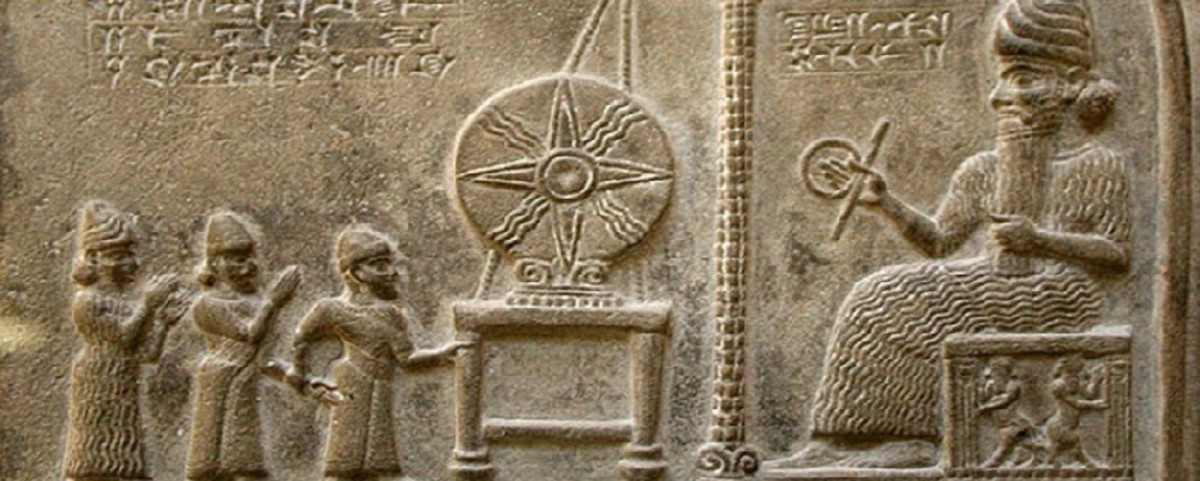
This ancient text from Mesopotamia records kings who reigned for thousands of years before the Great Flood. The very first on the list being Alulim who was the first ruler of Eridu, Sumer. Not only was he believed to be a god for years after his death, but he’s believed to have reigned for over a thousand years. Some of the rulers are said to have had lifespans exceeding 10,000 years.
Hindu Mythology:
In Hindu texts, the concept of Yugas describes epochs of time, and during the Satya Yuga, it is believed that humans had much longer lifespans, sometimes said to be thousands of years.
Chinese Mythology:
Figures like Xuanzang (Tripitaka) and the Eight Immortals are often depicted as living for long periods. The legend of Queen Mother of the West also includes tales of long lifespans.
Greek Mythology:
Certain demigods and heroes, like Heracles, are granted extended lives or even immortality through various means, reflecting a belief in long-lasting life.
Norse Mythology:
While not explicitly stating that humans lived thousands of years, the concept of Ragnarök and the idea of the those living for very long periods contributes to this notion.
Egyptian Mythology:
Some of their first recorded pharaohs were believed to have existed for thousands of years.



 The Preacher Pollard Blog