What Standard Are We Following?

Gary Pollard

My truck overheated today. A couple of hours and $100 later, it was back on the road. Whoever worked on it last had put the thermostat in backwards, and had failed to bleed the system after a coolant flush. 

Dad pointed out at lunch that we use objective standards for everything. How I feel about the orientation of a thermostat — or whether I believe its orientations makes a difference — is irrelevant. The engine will overheat if it’s not correctly installed, because that’s how it works. 

We have standards in almost every field we rely on. We don’t want bankers changing their standards on us while handling our assets. We don’t want automotive or aircraft manufacturers going solely by what feels right to them. We don’t want surgeons to just wing it while we’re under the knife. 

Standards keep chaos at bay, and allow for reliable, consistent, effective results. On what basis would we throw standards away in the field of morality? If everything else in life requires some kind of standard to make it functional (ie. not chaotic), why wouldn’t the same apply to ethics and morality? 

There is mostly order, not mostly chaos. Good standards bring order, no standards have only ever produced chaos. When postmodern or any other progressive ideals attack your faith, find out what their standards are. There most likely are none, or they are arbitrary and reliably chaotic.  

How we feel about most things could not matter less. Our feelings do not magically bend reality! Always ask, “By what standard do we believe this to be true/false?” If that standard is subjective, it’s probably safe to throw it away. 

Facebook Fact-Checking

Thursday Column: Captain’s Blog

carl-pic

Carl Pollard

 
Back in 2016 Facebook created their “fact-checking program.” The focus of the program is to “address viral misinformation and false claims, particularly those that have the potential to mislead or harm.” Since 2016 hundreds of thousands of posts have been flagged as “misleading” or containing “false information.” While this program has been met with mixed reviews and opinions, there is a valuable lesson we can learn from fact-checking and that is to, well, check your facts.
 
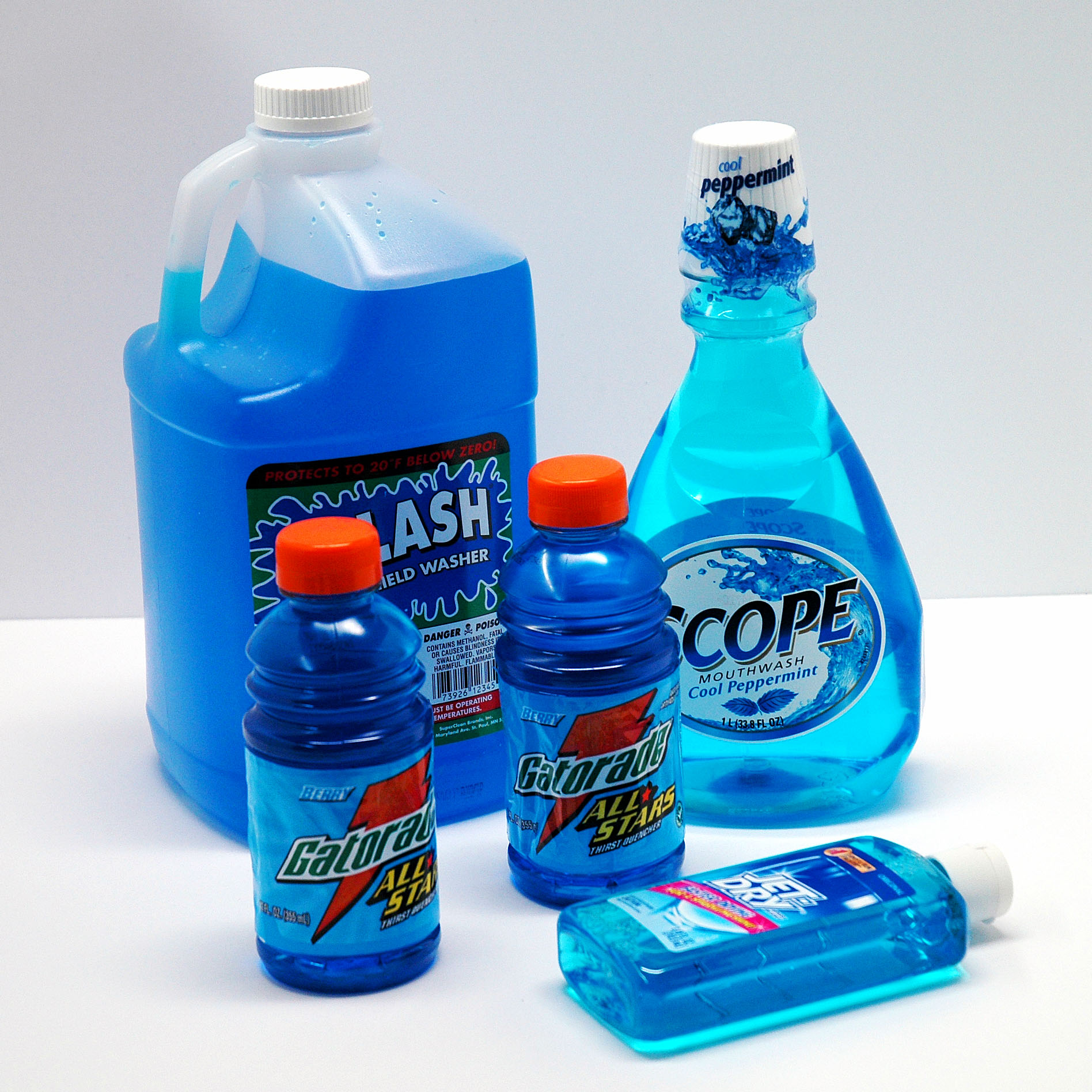
Powerade is the sports players elixir. It’s refreshing, it replenishes electrolytes, and gives you 34 grams of beautiful sugar. It’s got potassium, sodium, and 35 grams of carbs. But Blue Powerade bears a striking resemblance to Windex. At a glance this window cleaner may seem like Powerade. It’s blue, you could easily put it in an empty Powerade bottle and call it Powerade, but it isn’t. Windex is Windex, no matter how you try and label it. Many times something may quack like a duck and walk like a duck, but it isn’t a duck.
 
Galatians 1:6 says, “I am amazed that you are so quickly deserting Him who called you by the grace of Christ, for a different gospel; which is really not another; only there are some who are disturbing you and want to distort the gospel of Christ.”
‭‭
Paul warns us that as Christians we will encounter misinformation. Those who spread it may have a way with words. What they teach is convincing and appealing. But upon closer examination, their Powerade is actually Windex. These people will claim that you can receive salvation with just a prayer, that God approves of homosexuality, that every person has their own truth. We need to start Bible fact-checking the claims and teachings of those around us.
 
So many Christians are led astray by false teaching. It’s our job to test what is taught with scripture because on the day of judgment each person will be held accountable. Be noble-minded and search the scriptures. Don’t drink the Windex just because it’s in a Powerade bottle. Look at the content and compare it to God’s Word.
 
As Christians we must keep the church pure and free of misinformation. Let’s all start fact-checking our spiritual sources using God’s infallible Word.