
Neal Pollard
Today was a free day. We made a stop that almost undoubtedly the apostle Paul nor any other Christian in the New Testament ever made: Santorini. According to multiple sources, Christianity did not make an appearance on the island until the third or fourth century. What this Greek island is known for is its explosive history and the breathtakingly spectacular beauty that resulted from it. While some have tried to “explain” (or explain away) the Ten Plagues in Moses’ day by suggesting it was the result of the massive volcano that erupted there 3500 years ago, there is no doubt that a powerful volcano destroyed all life living there. In fact, it has erupted many times (more information here: link). Some have linked the volcano of Moses’ day to the lost city of Atlantis.
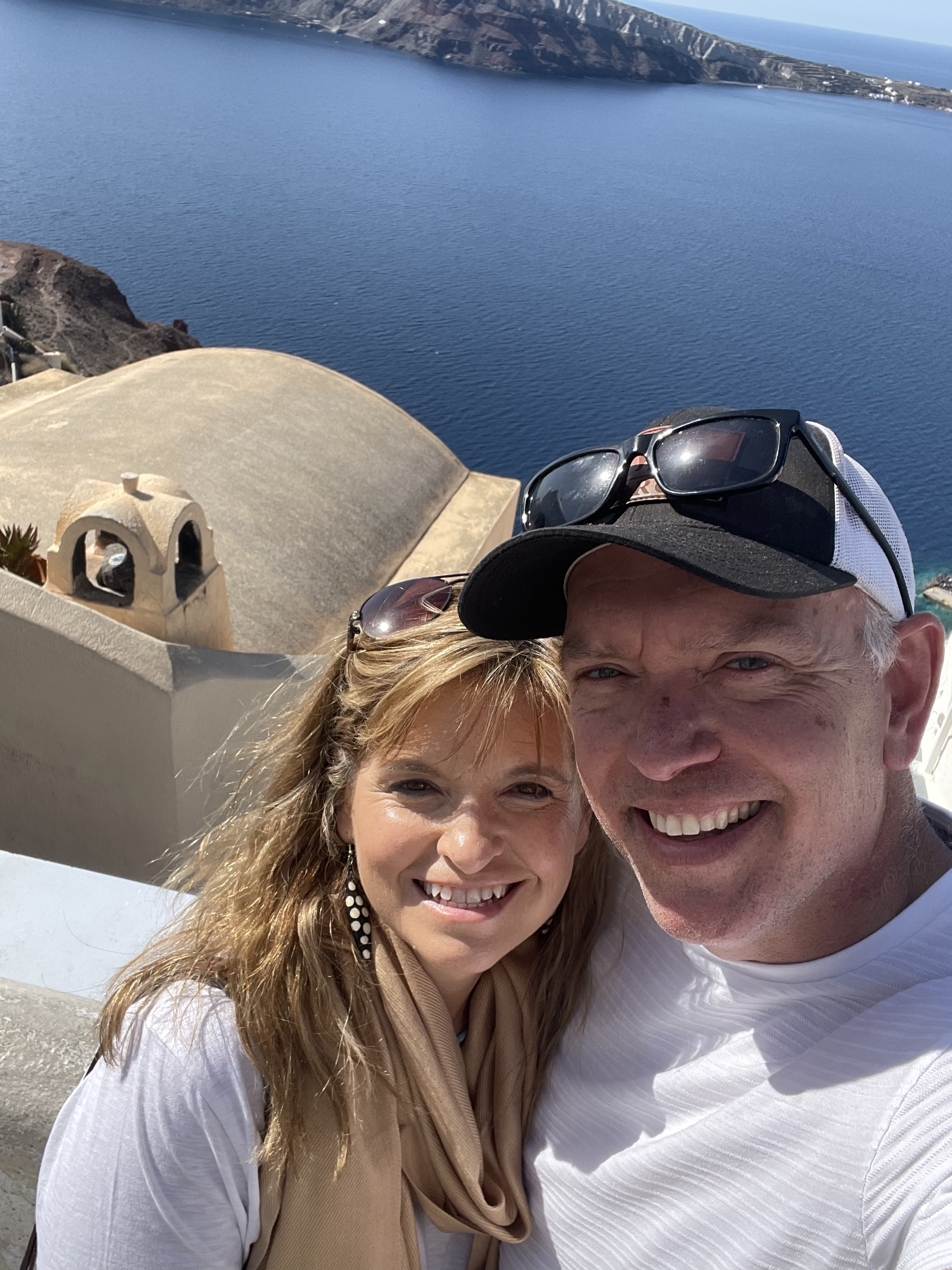
Today, it is yet another example of God’s great creative power. Even in a fallen world, we can see stunning beauty in places like Santorini. It’s vivid blue waters, which almost look painted between crags and cliffs, sit atop a giant caldera (large volcanic crater formed by a major eruption leading to the collapse of the mouth of the volcano). The caldera is about 7.5 by 4.3 miles, surrounded by cliffs almost 1000 feet high on three sides. Kathy and I traveled to two cities on Santorini today, then rode over to Nea Kameni and Palea Kameni (small uninhabited volcanic islands that have formed over the past 2000 through repeated eruptions of lava and ash).
It was an enjoyable day to spend with Kathy and see God’s creation. Tomorrow, we will visit another place where Paul walked and likely worked. The island of Crete is familiar to us through Acts 27 and the book of Titus, as well as a possible, surprising Old Testament connection. We’ll see tomorrow!

 The Preacher Pollard Blog